


Insight | 01.17.25
Insight | 07.10.26

YALO VALUE: ROCK IT OUT
Be motivated. Be a self-starter. Be a leader. Take risks and make decisions. Never forget that we’re the pros so don’t be afraid to put your ass on the line.
Watch almost any action movie and you’ll notice that at some point, plans fall apart.
Communications go down. The map is wrong. The expert is unavailable. The person who’s “supposed” to have the answer… doesn’t. Luckily, there’s almost always someone who steps up. Not because they were asked to. Because someone had to.
Give or take a few explosions, this translates pretty well into the world of client problem solving. Whether you’re launching a brand, running a business, or trying to solve a difficult problem, there eventually comes a moment when no one is going to tell you exactly what to do. The people who make things happen are the ones willing to make the call. In other words, people who “Rock it Out.”
Life without knowledge is death in disguise -Talib Kweli
Clients don’t hire agencies to wait for instructions. If they already knew the answer, they wouldn’t need us. They hire us because they’ve hit a challenge that requires a fresh perspective, a creative solution, or simply someone who’s willing to say, “Here’s what we think you should do.”
That’s the difference between an order taker and a partner.
Dream the dreams of other men / You will be no one’s rival – Pearl Jam
The biggest opportunities rarely arrive with a pre-written brief. Sometimes they’re hidden inside a client conversation. Sometimes they’re a problem no one else has noticed. Sometimes they’re the uncomfortable opinion everyone is quietly avoiding.
The people who grow the fastest aren’t necessarily the smartest or richest. They’re the ones who move first. They ask the extra question. They volunteer for the hard project. They make a recommendation instead of waiting for permission.
Action by one has a funny way of creating momentum for everyone.
I’m jumping in the deep end / It’s more fun to swim in – Gracie Abrams
Our value says it plainly: We’re the pros, so don’t be afraid to put your ass on the line. This is internal messaging for the tribe, but we think it’s important for everyone to know where we’re coming from when we approach work.
It’s not because we think we’re always right. It’s because we care enough to have an opinion. The safest thing an agency can do is agree with everything a client says to do. That makes the agency a vendor, not a partner. Sure, you’ll get deliverables. But will they actually deliver?
Great partners challenge assumptions. They defend good ideas. They admit when they’re wrong. And they stand behind their work because they know it was built on experience.
First, you jump, then get wings -Simple Minds
So what does “Rock It Out” actually mean in practice?
It means we don’t wait for someone else to solve the problem. We bring ideas before they’re requested. We make recommendations instead of presenting endless options. We ask hard questions, challenge assumptions, and aren’t afraid to disagree if we believe there’s a better path forward.
For our clients, that means working with a team that’s fully invested in the outcome, not just the assignment. The brands that grow are the ones willing to evolve, take calculated risks, and trust experts who know when to push and when to pivot.
At Yalo, “Rock It Out” means earning the confidence to lead through preparation, experience, and curiosity. It’s about treating every challenge like it’s ours to solve and every opportunity like it’s ours to seize.
This time I’m gonna do it my way – Janet Jackson
Insight | 03.02.26

If your strategy feels neat, tidy, and immediately agreeable… there’s a good chance it’s not doing enough.
Good strategy can often look messy. In fact, the best strategies almost always start with a bit of discomfort. They challenge assumptions. They surface tension. They force hard conversations. And that’s exactly why they work.
“Safe” thinking tends to reinforce what already exists. It favors familiar language, proven tactics, and incremental change. That can feel reassuring, but reassurance isn’t the same as progress.
When strategy feels too comfortable, it’s often because:
Comfort keeps things running. Discomfort is what moves them forward.
Early-stage strategy should feel awkward because it’s poking at things we usually avoid:
These questions don’t produce instant answers. They can even create friction. But thinking through the answers is what can lead to groundbreaking new ideas.
The most valuable strategic insights often sit in the uncomfortable middle: Between what leadership wants and what customers actually need, what data says and what instinct resists, speed and sustainability, and growth and focus.
It’s tempting to rush past this phase to “get aligned” and move on. But alignment without a little tension usually means something important was left unchallenged.
Sitting with discomfort allows patterns to emerge. It gives teams the space to connect dots, test assumptions, and uncover opportunities that don’t show up in a brainstorm.
To be clear: Discomfort isn’t the end goal. That said, to create effective change, it’s needed to reach a result teams can feel proud of.
When teams push through it together, strategy becomes sharper.Priorities get clearer because tradeoffs are made.Messaging gets stronger because it’s rooted in truth. Decisions get easier because they’re anchored in intent. All of this means that execution improves because everyone understands the why, not just the what.
The work feels harder at first, but it saves time, money, and rework later. That’s an outcome everyone can agree on.
None of this works without psychological safety. Discomfort in strategy should never mean chaos or conflict for its own sake. It requires:
When trust is present, discomfort becomes a shared experience, which strengthens teams instead of fragmenting them.
Strategy is meant to clarify direction, create focus, and unlock growth. And that almost always requires pushing past what’s familiar.
So if the strategy phase feels uncomfortable – good! That means you’re stretching.
Stick with it.
Because on the other side of discomfort is the kind of strategy that actually changes things.
Insight | 07.24.25

In every company, there are those standout individuals who make an indelible impact—people whose dedication, expertise, and attitude elevate the entire organization. Today, I want to shine the spotlight on one such remarkable employee whose contributions have gone above and beyond expectations: Jorge Garcell.
Not only does Jorge bring a wealth of knowledge and a work ethic that never falters, but his thoughtful approach to every task, no matter how big or small, has set him apart.
A native of Venezuela and now a resident of New Jersey, Jorge has a deep appreciation for the country he lives in and a true zest for life. He always, no matter what, has a great attitude and positive outlook! He is a friend to all, passionate about life, his work and his family. He and his wife recently became grandparents to a beautiful baby girl named Emma! Jorge loves being a grandpa/abuelo and would be pleased to show you baby pictures upon request!


One of the first things you notice about Jorge is his deep knowledge as a Senior Developer. He has a remarkable ability to grasp complex concepts and break them down into understandable, actionable insights. Whether it’s troubleshooting a tricky technical issue or explaining processes to clients or me, his expertise shines through. Clients have repeatedly praised his ability to quickly assess challenges and offer clear solutions. It’s not just what he knows, but how he conveys it that makes him so special.
Jorge is the epitome of a hard worker. He doesn’t just meet expectations—he exceeds them every single time.
He has consistently demonstrated that no task is too small or too big to tackle with the same level of commitment. Whether it’s staying late to ensure a project meets its deadline, deploying something over the weekend, or putting in extra effort to make sure every detail is perfected, his work ethic has been a cornerstone of his success and a huge asset to the company.
What truly sets Jorge apart, however, is his thoughtfulness. He’s not just concerned with getting the job done; he’s invested in making sure the experience is positive for everyone involved! He takes the time to listen to others, carefully considering their perspectives and concerns before taking action. This thoughtful approach builds strong, trusting relationships, and creates a collaborative, inclusive environment where ideas are shared freely.
It’s not every day that you come across someone as dedicated, knowledgeable, thoughtful and energetic as Jorge. He sets the bar high and his contributions have made a lasting impact on me and Digital Yalo! We are lucky to have him!
Insight | 06.24.25

By Brittany Lavy
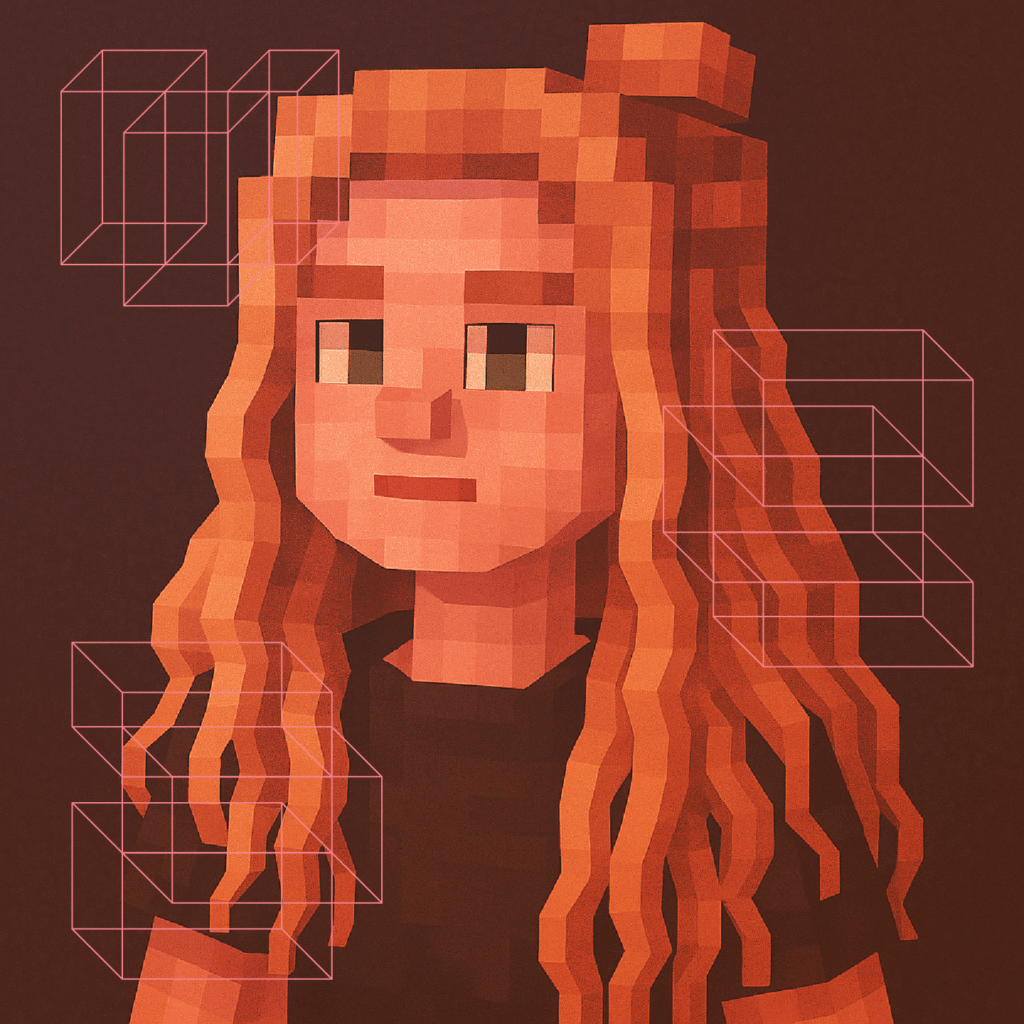
Digital Yalo hasn’t been the same since Associate Creative Director Melissa Ito joined our agency. She’s a creative powerhouse. When Melissa isn’t being creative at work or being a rockstar mom of 2, she can be found crafting landscapes and ecosystems within games such as Animal Crossing and Minecraft. She simply can not go a day without creating.
Melissa is an expert at bringing creative concepts to life through digital media. She manages design workshops with clients, brainstorms UI concepts for projects, executes cohesive visuals across multiple channels and offers her wisdom and talents to anyone and everyone who needs her.
Melissa has not only become a fundamental part of our team but an extremely valuable asset to our process. She has brought new practices to our agency that have helped our team and clients surpass their goals and expectations.
One of Yalo’s values is to Amp it Up to 11, meaning we are always working to improve and deliver the absolute best work to our clients. Melissa embodies this approach fully. One phrase she uses that always rings true to me is “I think we can explore this more.”

Melissa is constantly exploring ideas and concepts. When she’s not pushing boundaries herself, then she’s pushing her teammates to keep designing outside of the box. You think you’re done designing this section of the website? You’re not, keep exploring. This mindset has helped us push even further by throwing out the old and keep tip tapping away to a more impactful design.
Melissa’s impact on our team is undeniable. Her dedication to exceptional UI solutions, combined with her boundless creativity, has elevated our work and strengthened our entire department. As a vital force within and beyond the UX/UI team, she continues to push boundaries, inspire innovation, and drive our success forward.
Insight | 05.16.25

There’s a moment in music history that changed everything. When Bob Dylan plugged in his electric guitar at the Newport Folk Festival in 1965, it was a declaration: the world was evolving, and music had to evolve with it. The purists scoffed, but Dylan saw the electric guitar not as a replacement for folk music but as a way to amplify its impact. The result? A new era of sound that pushed the boundaries of what was possible.
At Yalo, we see AI the same way. It’s not here to replace creativity, it’s here to amplify it. That’s why we’ve spent the last year developing AMPLIFI, our proprietary process for integrating AI into every facet of our agency. Much like the artists who shaped rock & roll, we’re not just adopting new tools; we’re shaping the future of how they’re used. And just like rock music didn’t kill live performances—it made them bigger, bolder, and more electrifying—AMPLIFI isn’t replacing our talent. It’s giving them the means to amp it up to 11!
The greatest bands didn’t just pick up new instruments and hope for the best. They learned how to master them. The Beatles didn’t stumble into pioneering studio techniques; they experimented, innovated, and learned. That’s exactly what we’ve done with AMPLIFI.
Instead of simply handing our team AI tools and saying, “Figure it out,” we made a bold investment: we created a structured training program to ensure that every single member of our tribe—whether in operations, media, or creative development—knows how to harness AI effectively. AMPLIFI isn’t just a piece of software or a new workflow. It’s a mindset shift. It’s our way of ensuring that AI doesn’t just exist in our agency, it enhances everything we do.
There’s a difference between evolution and replacement. When synthesizers came onto the scene, they didn’t replace guitars—they expanded what was possible in music. AI is the synthesizer of the marketing world. It’s not here to write our stories, strategize our campaigns, or concept our creative. It’s here to help us create faster, sharper, and even more resourcefully.
With AMPLIFI, we’re integrating AI into:
And that’s just to name a few. Hey, we can’t give away every ingredient in our secret sauce.
Every major shift in music—whether it was MTV changing how artists connected with fans or streaming services reshaping how music is distributed—has been met with resistance. But the artists who embraced these changes didn’t just survive; they thrived. AI is our industry’s next big shift, and at Yalo, we’re not just riding the wave, we’re playing lead guitar.
We’re living in a time where many agencies are taking a wait-and-see approach to AI. They’re hesitant, uncertain, or even dismissive of its potential. That’s not how we operate. We believe in being ahead of the curve, setting the tempo, and ensuring our team has the knowledge and confidence to use AI to its fullest potential.
Because here’s the truth: AI in marketing isn’t a fad. It’s not going away. And just like rock & roll, it will keep evolving. The question is, who’s going to step up and own it? At Yalo, we’ve made our choice. We’re not just accepting AI—we’re amplifying it.
So plug in, turn up the volume, and get ready. The future isn’t waiting, and neither are we. This is AMPLIFI. And trust us, the show is just getting started.
Our souls are singing. Is yours? I’d love to chat with you about how Yalo can make AI work for your brand.
Insight | 04.30.25

At Digital Yalo, we have a list of values that motivate us every day to do our best work for our team and our clients. One of our favorites is Amp It Up to Eleven. It’s not just a catchy phrase, it’s part of how we approach every project. The idea is simple: why stop at 10 when you can go beyond? It’s about pushing ourselves, our work, and our clients to go further, think bigger, and do something unexpected.
For us, “good enough” isn’t the goal. We believe that even the best work can always get better. That doesn’t mean we’re constantly dissatisfied—it means we’re always looking for ways to improve, even when things are on track. Whether it’s tweaking an idea or finding a way to make something stronger, we’re always thinking about how we can go one step further. It’s not about being perfect; it’s about always striving to make the work better and delivering something we’re truly proud of.
At Digital Yalo, we like to shake things up. We love doing things that break the mold, whether it’s trying something completely new or pushing a creative boundary that’s never been crossed before. We want to encourage our clients to do the same. With performance and results at the forefront of our minds, we like to think outside of our comfort zone and try something that makes people stop and think.
Doing something unexpected isn’t just about being bold for the sake of it—it’s about creating opportunities for deeper, more meaningful conversations that make a real impact for our team and our clients.
Every brand has a soul, and our job is to find it and let it shine. This is where “amping it up” comes in. It’s about turning up the volume on what makes your brand unique and giving it the attention it deserves. In marketing, there’s plenty of noise and competition – we want to make sure your brand’s voice is heard loud and clear. The aim is to amplify that voice so it resonates with the right people, in the right way.
We don’t just want to meet expectations—we want to blow them out of the water. Sure, we’ll deliver what was asked for, but we’re always thinking about how we can go above and beyond. Sometimes that means pushing the creative envelope, other times it’s offering a new perspective that takes things to the next level. Whatever it is, we’re always looking for ways to make the work stronger, more creative, and more impactful. It’s about adding value that goes beyond what’s expected and showing up in ways that make people say, “Wow.”
We believe that when we work together and bring our different perspectives to the table, we can come up with ideas that are even bigger and better than what any one of us could do alone. This isn’t just true for our internal team; it’s also true when we partner with our clients.
We want to help them see the bigger picture and explore opportunities they might not have considered. It’s not just about getting the job done—it’s about creating something that grows, evolves, and ultimately makes a bigger impact.
Whether it’s shaking things up, amplifying your brand’s true voice, or simply going that extra mile to make sure every detail is spot-on, we’re always aiming for more. Because when you’re not stopping at 10, there’s always something new and exciting just around the corner. And that’s the kind of work we love to do.
If you want to amplify your brand and make an impact, we’re here to help.
Insight | 03.26.25

By Brittany Lavy
UX design is all about creating experiences that are easy to use and feel natural. One of the design practices commonly used to improve how users interact with your site is by performing a UX Audit. Through this process, problem areas are identified that make users feel frustrated, confused, or leave before they complete their journey. The ultimate goal of a UX audit is to fix issues and create a smoother, more enjoyable experience.
Why a usability audit matters
A usability audit is the first step in spotting your users’ pain points, any bumps in their journey, and areas that could use some improvement on your site or digital product. Once we’ve done that, we can create a roadmap of areas to focus on and tweak to make sure your audience gets the best possible user experience.
Here are some ways UX audits can help improve your product:
Usability problems throughout the product
If users get stuck, lost, or frustrated, they won’t stick around. Definitely not what you want! This step helps ensure users reach their intended destination—both where they need to go and where you want them to go.
We find usability problems by using well-known guidelines called the 10 Heuristics. Developed by Jakob Nielsen, these general principles serve as a “rule of thumb” for how we can make UX easier and more effective.
Streamlining a user’s journey
A website should guide users effortlessly to their goals. Some common user goals are making a purchase, signing up for a newsletter, or finding information.
Simplifying the user’s journey and helping them achieve their goals boosts satisfaction, increases conversion rates, and strengthens brand perception.
Data-driven recommendations
When designing a site, we’re not always the ones using it, so we might make assumptions about the user’s experience. A usability audit helps us see how real users interact with your site or digital product, giving us a clear idea on how to make improvements.
Enhance accessibility
It’s important to make sure all users have an easy experience when interacting with your brand. Auditing the site or digital product can identify areas that may not be accessible for people with disabilities, like those with low vision or deafness, and adjust those areas to be compliant with general accessibility guidelines. Making sure your site meets accessibility guidelines means a better experience for all users.
Keeping costs low
Spotting UX issues in an audit can help save on development costs. By tackling problems early and designing with the user in mind, we can fix issues before diving into development or redesign. This not only saves time later on but also reduces the need for expensive changes further down the road.
User satisfaction and loyalty
Thanks to the UX audit, we can create a great user experience. When a product is simple to use, intuitive, and effective, users are more likely to enjoy interacting with it. This boosts satisfaction and helps build long-term loyalty with your users.
When should you do a usability audit?
There are several moments when you should consider performing a usability audit.
When redesigning a site or product
Starting with a UX audit on your current site or product helps spot areas for improvement and highlights what’s already working well. This gives us a solid starting point for wireframing and lets us fix usability issues early, so we can tackle them before development begins.
When you notice more help requests or a drop in conversion rates
A targeted audit can help pinpoint where users are getting stuck or abandoning the site. We can focus on specific pages or user journeys to see where things are going wrong.
When adding new features or pages
Before launching new features or pages, a usability audit helps us figure out how they’ll fit into the current experience. This way, we can address any issues that might affect user adoption before the feature or page goes live.
As part of regular maintenance
An annual or biannual audit keeps things running smoothly by identifying and fixing issues over time. It also sets up a routine for addressing usability challenges on an ongoing basis.
What level of audit makes sense for you?
Usability audits can vary in depth and scope depending on client goals, resources and timelines. There are four levels of a usability audit to choose from.
Where to start
Ready to elevate your user’s experience? At Digital Yalo we don’t just identify usability issues but we work to craft solutions. Whether you’re in need of a quick scan, a comprehensive deep dive, or a specialized approach, our team has the expertise to guide you along the way.
Contact us today and let’s work together to create meaningful experiences for your users.
Insight | 03.05.25

Meet Chris Dawson: Yalo’s Hot Dog Man and Tech Innovator
Welcome to Digital Yalo’s monthly employee spotlight. This space is held to shine a light on the talented thinkers and makers behind the scenes who make Digital Yalo the award-winning agency it is.
Our team boasts a diverse group of talented, smart, and dynamic professionals. And each spotlight will showcase and celebrate their unique contributions and impressive work.
So, without further ado, let’s meet this month’s star and discover the stories, skills, and obsessions that make Digital Yalo the hub of innovative thinking that it is.
Today, we’re excited to introduce Chris Dawson, a Senior Developer who’s been with Yalo for what feels like forever—and for good reason. Chris’s impact on the tribe and our clients is undeniable, and his expertise, leadership, and unique personality are key to his success.


Chris isn’t just a developer—he’s the driving force behind the success of the Primrose project, working closely with a contractor, Andrew, to turn the project around. Together, they optimized site speeds and tackled all other tasks necessary to bring Primrose to a great place. Thanks to their leadership and technical expertise, Primrose has become a strong success, with the client continuing to return for more. Chris’s problem-solving skills and ability to think outside the box have made him a standout figure within Yalo and with clients alike.
Chris’s contributions go beyond code. As a mentor, he’s helped shape the next generation of developers at Yalo. Whether he’s guiding interns or supporting junior developers, Chris has a knack for making complex concepts simple while also pushing his team to grow and improve. His leadership isn’t just about teaching; it’s about empowering those around him to become better versions of themselves.
Outside of work, Chris enjoys a mix of unique and entertaining interests. From baking and cooking to hitting the golf course or spending time at the range, Chris knows how to make the most of his time away from the computer. (He’s also known for asking the age-old question: Is a hot dog a sandwich? Feel free to debate that one with him!)

Living in North Carolina, Chris balances his love for tech with his love for the outdoors, which probably helps keep him sharp for the next big project.
Chris Dawson is more than just a Senior Developer at Yalo—he’s a mentor, a problem solver, and the backbone of many of our most successful projects. His leadership and innovative thinking keep Yalo at the cutting edge, and we’re lucky to have him on the team. Here’s to Chris and the amazing work he continues to do!

Insight | 02.24.25
It’s 2025, and the marketing world is spinning so fast it can be hard to keep up. AI is everywhere, customers are demanding more personalized experiences, and AR/VR is no longer just for gamers. So how do you stay on top of the trends without losing your mind?
We’ve got you. Here’s our take on the biggest marketing trends of 2025 and how you can conquer the digital marketing landscape while keeping your cool.
AI: whether you view it as a friend or foe, it’s here to stay. AI doesn’t just help make tasks more efficient, it can also assist you in personalizing your marketing efforts so that your audience feels like you really ‘get’ them. From AI-crafted emails to quizzes that feel eerily spot-on, personalization is no longer optional—it’s expected.
How You Can Apply This:
Our Tip: Customers love feeling understood, but they also love privacy. Be transparent about how you use their info, and they’ll love you even more.
Augmented reality (AR) and virtual reality (VR) are no longer the stuff of sci-fi. These tools are here, and they’re making brands more memorable. Throw in conversational tools like chatbots and voice assistants, and your customer experience game just leveled up.
How You Can Apply This:
Our Tip: Don’t go AR/VR just because it’s trendy—make sure it genuinely enhances your customer’s experience. Otherwise, you’re just creating expensive gimmicks.
Big data isn’t just big—it’s colossal. Brands using predictive analytics are not only meeting customer needs but anticipating them before customers even know what they need.
How You Can Apply This:
Our Tip: Consistency is key. If your social media is quirky but your emails are all business, customers will feel the disconnect.
Despite advancements, nearly half of all businesses still lack a defined digital strategy. This gap limits growth potential and leaves opportunities on the table. Yikes.
How You Can Apply This:
Our Tip: No need to overhaul everything. Start with one underperforming area and build from there. If you need heavier lifting, consider reaching out to a marketing agency who can help (wink, wink).
Customers want to know you care, and hiding behind just what you do or what you sell isn’t cutting it anymore. Brands that prioritize purpose-driven marketing aren’t just good for the world—they’re good for business.
How You Can Apply This:
Our Tip: Don’t gloss over purpose. Dig into the ‘why’ behind your brand and what you want your audience to take away when they interact with your company.
AI isn’t just helping with data—it’s creating, too. From AI-generated videos to automated graphic design, creativity just got an upgrade.
How You Can Apply This:
Our Tip: Don’t let automation make your brand feel robotic. Keep the human touch alive.
AI-driven search features and the end of third-party cookies demand innovative approaches to engagement and attribution.
How You Can Apply This:
Our Tip: Shift your focus to building brand awareness and earning audience trust directly.
Marketing in 2025 proves that the digital landscape continues to grow at lightspeed. However, with the right tools and strategies, you’re not just keeping up—you’re leading the pack. With these trends, there’s no shortage of opportunities to make an impact.
So go forth and make 2025 your best marketing year yet. And if you need a little help? You know where to find us.
Insight | 02.17.25

Ah, Crocs. Once upon a time, they were the foot-things we loved to hate. First marketed as boat shoes back in 2002, they were quickly banished to the realms of “ugliest footwear ever.” Yet here we are, decades later, watching Crocs not just survive but thrive. What on earth happened, and more importantly, what lessons should brands take from Crocs?
Let’s dive in.
From Utility to Individuality: A Lesson in Amping It Up
When Crocs first launched, they were known for their functionality. Designed for comfort and durability, they were utilitarian to a fault—practical but lacking personality. They were, essentially, the sensible shoe your middle school teacher wore to do yard work. But in 2017, under new leadership, Crocs made a radical shift. Instead of focusing on what their shoes did, Crocs began to focus on what they could mean: a symbol of joy, self-expression, and yes, even style.
The pivot required them to go beyond what was merely expected or necessary, leaning into unexpected and over-the-top moves to demand attention. The brand started to pump out partnerships with everyone from Post Malone and Justin Bieber to fast-food icons like KFC. (Yes, they made fried chicken Crocs—complete with a drumstick Jibbitz™ charm). These collaborations were fun, unexpected, and just the right amount of outrageous, amplifying Crocs from “comfort wear” to a bold, if still questionable fashion statement.
This is a textbook example of what we at Digital Yalo like to call “Amping It Up to 11.” Crocs didn’t stop at merely shaking their old, practical reputation; they cranked up the individuality and let loose with wild collaborations and off-beat charm accessories. And frankly, anything less would likely have been insufficient.
A Visionary Journey: Embracing the Tour
To be clear, this resurgence didn’t happen overnight, and it certainly wasn’t a straight shot. By 2008, Crocs was practically on life support, hemorrhaging $185 million and cutting thousands of jobs. The stock had plunged, the business was in shambles, and it would’ve been easy to simply refocus on what was safe and comfortable. But rather than retreat, Crocs doubled down on a long-term strategy rooted in self-expression and individuality.
They knew where they wanted to go—they just had to be patient enough to make the journey.
This is what we at Digital Yalo like to call “Embrace the Tour.” Crocs had a vision of where they wanted to be, and they weren’t deterred by short-term losses or missteps. They didn’t panic when the seas got rough; instead, they leaned into the tour, adapting their strategy and committing to a path that was uniquely their own. Today, they’re forecasted to hit $5 billion in sales by 2026. That’s what happens when you stay true to your destination and weather the obstacles along the way.
Inclusion and Authenticity: A Genre for Everyone
One of the key ingredients in Crocs’ recipe for success is their unapologetic embrace of individuality—something we value here at Digital Yalo as “We Are All Genres.”
By positioning themselves as a blank canvas for self-expression, Crocs tapped into a universal truth: people want to feel included and authentic, no matter how quirky or niche their tastes. Crocs let people be a little bit extra (or a lot extra) and celebrate it, whether it’s with a mini ranch bottle charm or a platform heel so chunky it doubles as an ankle workout. In the world of Crocs, there’s a shoe for everyone, and everyone is welcome.
The takeaway? Crocs didn’t merely follow a trend—they made one. By going big on the unexpected and embracing the long haul, they’ve turned a former fashion faux pas into a cult favorite. It’s a reminder that true brand success isn’t just about filling a need. It’s about connecting with people in ways that matter to them, leaning into bold ideas, and staying committed to a vision.
So, next time you’re looking to Amp it Up or Embrace the Tour, take a page from Crocs’ playbook: make it memorable, make it bold, and never shy away from a little fun along the way.
Insight | 09.23.24

AI is a lot like a teenager learning to drive. It’s got potential, but it still needs guidance to get where you want it to go. And when we were tasked with bringing Precision Tune Auto Care’s “Any Make, Any Break, Fixed” campaign to life, we knew AI could help us generate some truly out-there vehicle concepts. But AI alone wasn’t enough. We had to steer it, gearshift it, and a bunch of other car metaphors, ultimately using our creative expertise to refine its output into something that truly hit the mark. Or like, the parking spot.
Precision Tune Auto Care owns a network of automotive shops throughout Atlanta, and they wanted to emphasize their ability to fix anything. Not just your standard sedans and SUVs, but anything—no matter how strange, old, futuristic, or broken it might be. We needed imagery that wasn’t just cars, but wild, eccentric, AI-dreamed vehicles that captured the essence of the campaign.
The first step was strategic prompting. We weren’t just telling AI to generate “a weird car.” We crafted specific prompts to create vehicles that were futuristic, absurd, unconventional, and unlike anything on the road.
Some of our initial prompt variations included:
AI happily obliged, and delivered some of the most bizarre, delightfully wrong car designs we’d ever seen. The results were wild, unpredictable, and often completely impractical… but that was exactly what we wanted.
Here’s the thing about AI-generated art: it’s not final art. AI doesn’t understand engineering or design principles; it doesn’t know why a wheel shouldn’t be inside the car instead of underneath it. The beauty of AI is that it gets you a starting point, not a finished piece.
That’s where human expertise comes in. The art director took the best of the AI-generated images and pulled them into Adobe Photoshop and Illustrator to refine them. That meant:
The result? A set of visually striking, one-of-a-kind vehicles that perfectly communicated the idea: No matter how weird, wild, or worn-down your car is, Precision Tune can fix it.
The big lesson here? AI is great at generating ideas, but it takes real creative expertise to shape those ideas into something usable. AI gave us the raw material, but it took a human touch to refine, manipulate, and make it truly work for the campaign.
Could AI replace artists and designers? No. But can it act as an accelerator for creativity, giving us unexpected ideas and a head start? Absolutely. And in this case, it helped us take a fun, conceptual idea and turn it into a visual campaign that was as inventive as the message itself.
At the end of the day, “Any Make, Any Break, Fixed” wasn’t just a tagline, it was our approach to creative problem-solving. AI gave us something weird, we broke it apart, and then we fixed it into something truly impactful.
Because just like Precision Tune Auto Care, we believe that with the right expertise, anything can be made to run smoothly—even AI-generated mayhem.
Insight | 05.25.22

The Metaverse’s potential is considerable across Financial Services, Healthcare and Consumer Products. Currently, the most significant implementation progress is in providing user- generated games, groups, and other entertainment experiences. Pioneers in each of these segments have made notable inroads extending on the initial successes in entertainment and gaming. Financial Services is pursuing the Metaverse for converging a new market for value-added service with enhanced delivery for existing services. Healthcare’s Metaverse approach has focused on training and virtual delivery of medical services and access to expertise. Consumer products have used the Metaverse concepts as an extension of eCommerce to promote and extend brand loyalty.
Manufacturing operates by necessity in three physical dimensions. Dimensions are defined by the strategies to meet customer expectations. These expectations are based on how long a customer will wait to have an order filled and how long it takes to get materials, produce, and deliver the product. Product – customer combinations define the following strategies when considering product customization, production speed, inventory costs, labor costs and overhead.
Dimensions implementations combine product designs, production processes, and production/ transportation lead times.
The supply chain is the key concept that defines a network for delivering products at the required level of customer service. Manufacturing is no longer an island with supplying vendors and deliver-to customers, it is a node in a network. A network of suppliers, supplier’s suppliers and customers and their customers. A network of nodes with each having a lead time and transportation links with their lead times dependent on mode selection. Each product has its own network defining the physical world that it operates in.

Digitizing the Physical World
With so many products and vendors, managing each network path and network node is challenging. So long before the Healthcare sector was thinking about a “digital twin,” the supply chain was digitizing operations to reduce lead times and cost while increasing customer service. This included Computer Aided Design to digitize both machining processes and factory flow to improve production speed. Before IoT, Internet of Things, manufacturing execution systems uploaded production quantities and quality control measurements and downloaded process setpoints and product formulations to/from business process. Supply chain management software controls and improves speed network flow reducing overall lead time and increasing customer service while being thoughtful on inventory investments to deal with potential disruptions. The end game is to provide greater visibility to the customer on supply chain operations and optimize supply chain operations across the entire network.
Entering the Metaverse
Digitization of the supply chain and manufacturing has focused on the physical aspects of operations. A Metaverse goal is to create a digital space that is persistent and can interface with the physical world.
Digital Supply Chain: Through IoT, the supply chain digitization will accelerate and provide a comprehensive digital twin in the Metaverse with visibility for all stakeholders.
Product Development: With a shared virtual space, customers, vendors, and manufacturers will share collaborate on a 3D model, speeding new production introduction and support an explosion in new production introductions.
Process Design: The digital twin will support simulation of potential production process alternatives specifying the ways that work can be completed with efficiency and safety.
Customer Intimacy: Virtual design spaces can include customers in the rapid product design process. Upfront collaboration will increase product acceptance and reduce downstream quality issues.
Manufacturing: Virtual services will empower the customer in delivering mass customization. Simulation of product and process design will establish priorities for asset utilization and investments.
Purchasing: Supporting vendor collaboration for value creation across the entire network and transparency in cost negotiations.
Supply Chain Transparency: ESG initiatives have all stakeholders demanding a clearer understanding material sourcing, and who and how product inputs are made. Through immersive experiences 3D representations, this will provide visibility on product creation, manufacturing, and distribution.
Metaverse will converge offered virtual services with will supply chain’s physical flow of vendor, producer, distributor, and customer. Will this reduce the importance of the supply chain? Or will it complement it through a “digital twin,” exponentially improving effectiveness and efficiency, reducing lead time and cost, and improving customer transparency? The evolution of manufacturing in the Metaverse will introduce new priorities for virtual services and resolve how the virtual and physical worlds will converge.
Next
Achieving the Metaverse hype will require continued development in the ability to capture and digitize supply chain operations. Data collection from business processes and integration across the supply chain will support the interoperability and immersive features of the Metaverse. The prize being the ability to design, evaluate, and confirm manufacturing and economic feasibility before any changes are made the physical supply chain. The feasibility confirmed through the collaboration of all stakeholders: customers, vendors, product designers, and manufacturing. Processes will be reconfigured or designed quickly delivering improved customer service, controlling costs, and reducing lead times.
Ready to continue with this conversation about the Metaverse and its possibilities? Please scroll down – there are related posts to read about Blockchain, healthcare in the Metaverse and more. Ready to engage with Yalo on marketing technology to give your brand a boost in the marketplace of ideas? Please scroll to the bottom of this page and click the Contact Us button to get the conversation started.
Insight | 05.11.22

Emerging technologies are driving significant healthcare innovation. Notably, augmented reality and virtual reality (AR/VR) have enabled the following:
The AR/VR growth projections are significant.
“…the market size was valued at USD 17.67 billion in 2020. It is expected to expand at a compound annual growth rate (CAGR) of 43.8% from 2021 to 2028.” GrandView Research
COVID significantly increased the number of healthcare procedures utilizing standalone AR/VR. AR/VR growth was also stimulated by other integrated technologies: IoT, cloud and quantum computing. Together they are improving healthcare and serving as entry points into the Metaverse. Expectations are high.
“The metaverse will be to VR and AR what the modern smartphones were to the first mobile phones a few decades ago.” Paulo Pinheiro, Sagentia Head of Software
Although it is in its embryonic stage, the Metaverse is positioned to build on the advances that AR/VR have made in the healthcare sector.

Now
COVID motivated the acceptance of remote medical service by patients, providers, and insurance companies.
“Pre 2020, 43% of healthcare operations could provide remote treatment, now service coverage is 95%.” Forbes
This became a necessity, but all parties have appreciated both the effectiveness and efficiency of virtual office visits. Improvements extended to routine office procedures for intravenous injection and blood draws. Procedures that are facilitated by Accuvein’s application which displays vein maps on the patient. AR applications are simulating patient and surgical procedures, providing the opportunity for students to visualize and practice. Therapeutic VR applications are improving the quality of life for people living with dementia. One study with five environments over sixteen monitored sessions resulted in mood improvements and positive stimulation.
Future
The Metaverse promises to combine AR/VR and support interaction in a virtual world. The previously mentioned technologies coupled with artificial intelligence, connectivity and interoperability will create interactive and immersive activities.
Headset utilization will address the distance barrier providing access to medical point of need care, anytime, regardless of where the expert is located. They will also assist in providing standard medical care to remote geographies.
Telemedicine overcomes the barriers to entry and the stigma of mental health and substance abuse services. People seeking help are more comfortable with a point of need remote therapy delivered by telemedicine. They are less anxious than when making a in person visit. With help “always on” to deal with episodes, events, or temptations reinforces new behaviors and reduce relapses. The Metaverse will enhance this delivery channel with more interactive and immersive features, especially for the younger generation who are early adopters.

Using a virtual duplicate of a person, digital twin, will be a powerful, non-invasive tool to understand more about each patient. It will support personalized medicine checking for drug interactions and effectiveness for each individual and understand previous treatments, and longer-term health and longevity benefits.
There are two potential benefits for surgery. The effectiveness of pre-surgery and post-surgery assessments, integrated with data science techniques applied on the digital twin will provide a more personal approach. This has the potential to replace the “standard of practice,” approach to delivering healthcare. Additionally, AR can provide the training and test data for surgery robots of the future, executing cancer tumor removal and spinal surgery.
In achieving interoperability, the Metaverse will break down the technology and information silos that drive up complexity and costs. Real-time sharing of information will facilitate a patient focused delivery of healthcare and deliver personalized medicine.
Advancing to the Metaverse will test the medical community, at least as much, if not more than the Metaverse’s delivering all the required technology. There will be resistance to change issues:
Metaverse’s change will also extend to healthcare business models. Healthcare players will need to build strategic plans to address the following:
Next
Physical and cognitive treatment, and AR/VR support groups happened before the Metaverse craze started. For the Metaverse to get traction, it will need to deliver virtual services which are improvements over current alternatives. Acceptance and trust in technology as the delivery mechanism will be critical in overcoming resistance to change. Metaverse’s potential for healthcare is significant, but there is still much to discover to address industry complexity, costs and coexist within or transform current regulations.
Would an Intro to the Metaverse help?
Do you know how much IoT impacts your daily life?
Artificial Intelligence: Destructive or Disruptive?
As with any new technology that comes along and soon becomes ubiquitous, it can be daunting to stay ahead of the curve and to keep up with all the new developments in Tech as it applies to culture and work. Digital Yalo makes it our business to do that for our clients, so that you look smart in the marketplace and can compete and excel in your industry. Take a look at what we’ve done for some of our clients already. Then, reach us here and let’s have a conversation about your next step in the world of 21st Century marketing technology. We R here 4 U!
Insight | 04.13.22

Grand Bazaar
Ecommerce changed the brick & mortar store paradigm. Best case, the traditional storefront is a convenience or extended distribution center, worst case it has simply disappeared. Ecommerce is a significant disruption on how goods and services are exchanged, and how brands are created. Web 3.0, or the “internet of the future,” promises to be the next disruption of how we interact both personally and professionally in the Metaverse. Privacy, security, and ownership concerns are key design considerations in how Web 3.0 is conceived. No one will be comfortable interacting, transacting, and sharing data in virtual worlds unless these concerns are addressed.
As interactions and user communities form across multiple virtual worlds, the Metaverse’s potential of becoming the virtual Grand Bazaar will rely on the ability to track transactions and ownership of digital assets. Blockchain technologies form the backbone of the metaverse and are the one of the three key elements (blockchain, NFT’s and cryptocurrency) that differentiate Web 3.0 from today’s web2 internet implementation. With blockchain, the Metaverse will make the Mall of America, over 520 stores, look like the corner general store of the 1890’s.

What is the Blockchain?
Blockchain supports the operations of a user- and community-based ecosystem in a virtual world of digital assets and data. Blockchain permanently captures transactions in a decentralized public data base called a ledger. The blockchain is decentralized in that each transaction is sent to all computers accessing the blockchain. With the ledger distributed, it is protected from tampering and external control.
Blockchain was originally part of the cryptocurrency, Bitcoin, but has other uses including
Ethereum is a blockchain that is used as the backbone for virtual worlds: Cryptovoxesls, Decentraland and Somnium Space.
Basic Blockchain Operation
For transactions tracked with blockchain, the first step is to capture all the transaction information. Transactions are grouped into a block, like a page in an accounting ledger. Each block is time stamped. The time stamp confirms the right sequence for blocks entering the blockchain and that participants have the latest information. A hash (unique character string) which cryptographically calculated from the data in the block is developed for security purposes. The hash from one block goes into the next block and is part of the hash calculation for that block. This is how blockchain builds a trace into every block. Alarms are raised if there is an attempt to alter a previous block. If tampering is attempted there will be a mismatch of the hash of the altered block and the following block indicating an alteration in the chain. Since the blockchain is public, everyone has a copy, any tampering will be visible. When the hashes match, members of the chain know that their transaction has completed successfully and will be able to track its history.

Decentralization
Decentralization is one the seven layers of the metaverse. Blockchain is one of the tools that are in this layer for planning and decision-making without central control. Although there will be technology giants (Microsoft, Meta, Apple) who will operate in the metaverse, there are other visionaries are developing their own virtual worlds. Maximizing the Metaverse’s potential these virtual worlds need to be interoperable. For virtual worlds’ interoperation will require blockchain to be track and prove ownership in multiple worlds.
The Beginning
Metaverse and blockchain have a synergy that reinforces their development and acceptance. Together they will support the C change in how organizations and individuals work together. Tracking transaction history and ownership is important both in the virtual world and the use of cryptocurrency in both the metaverse and the real world. Security concerns will increase as the number of transactions within virtual worlds and across the Metaverse accelerate. There significant risks for fraud, phishing, and rug pulling especially if you are a novice. Managing these risks will be important for brands and original owners of digital assets to properly define the terms of ownership, use, governance and derivative works. Blockchain is metaverse’s backbone in controlling and managing what is bought and sold. The increased commerce will require blockchain to track the provenance of a digital asset, transactions and validate ownership. Everyone needs to be prepared to operate outside of their comfort zone of existing manual and automated processes.
If you enjoy what you’ve just read, there’s more where that came from! Please sign-up for our email newsletter below, and below that, you can even contact us to keep this conversation going or to ask specific questions.
Insight | 03.16.22
When you hear the word, “metaverse,” what is your vision? One shared vision was:
The metaverse is a shared virtual space composed of virtual spaces united into one or more virtual worlds. Each with their own unique attributes for economy, currency, digital assets, and avatars. Users may enter a space to interact with other users, attend events, play games, and even transact with businesses and other individuals. Each virtual space supports types of motion (walking, flying, teleporting) and form of user-to-user communication (text chat, audio chat, video chat) within the space.
Technologies essential to the metaverse are cryptocurrency, blockchain, and non-fungible tokens (NFTs). An alternative metaverse vision is:
“What is the Metaverse? The immersive NFT-powered future internet.”
-Andrew Hayward Decrypt.co
This vision is bold, intriguing, and instructive, and presents NFT knowledge as the next step in increasing our metaverse awareness.

NFT Definition
An NFT is digital item is viewed and accessed on a public digital ledger called a blockchain. Metadata explains NFT contents which may cover ownership rights, use and resale. A Smart Contract is computer code which governs all the NFT’s contents. NFT’s are bought and sold on public marketplaces or in peer-to-peer transactions facilitated through use of blockchain and cryptocurrency technology. NFT applications continue to grow:
The programmable power within the Smart Contract and blockchain presents a host of supported business relationships:
NFT’s, as digital assets, created for scarcity by programming, fit nicely, in the metaverse for tracking virtual assets like access, digital apparel, play-to-earn games, created content and plots of land.

NFT Creation
NFT value is in its uniqueness and scarcity. NFT creation requires determining features such as scarcity (versions and copies) upfront because post NFT creation modification is not possible. Taking a digital item and creating a NFT on a blockchain is called minting. Once minted, the digital assets are secured and represented by the NFT. The NFT are bought, sold, and traded with all transaction history tracking supported by the blockchain. NFT creation involves the following:
These are just the basics and look deceptively simple. The technology is evolving, and you need to do your research and get appropriate help if you are a novice.

NFT Value
NFT’s future depends on their ability to differentiate from other business approaches. They must maximize the advantages they have in identity and scarcity of digital ownership. A community that shares in excitement of the NFT’s and has vibrancy and activity is critical for NFT value. Every NFT project should seek ways to provide easy access to membership in the community. Finally, the NFT value based on cryptocurrency exposes it to value fluctuation and financial regulations.

NFT Futures
Make no mistake, it is the wild West out there with this new and emerging technology. Progress and significant profits with NFT’s are being made in art, animation, collectibles, and music. Several sources are making forecasting significant opportunity, with Bloomberg estimating the metaverse market at $400 million by 2024 and Grayscale sees the future potential of a $1 trillion market. NFT’s play a critical role in these valuations, because they are a digital asset that affords the opportunity to simultaneously be an investor, club member, brand shareholder and profit from loyalty programs.
Are you ready to get Meta? Let Yalo help you with your first NFT and enjoy the sensation of cutting-edge Cool before all the other kids on your business block join in the fun. Start a conversation with us below and we’ll answer your questions and provide guidance from start to finish. NFT Design and development services too!
Insight | 03.02.22

The Internet of things, or IoT, is a system of interrelated computing devices, mechanical and digital machines, objects, animals or people that are provided with unique identifiers (UIDs) and the ability to transfer data over a network without requiring human-to-human or human-to-computer interaction.
Frequently, we envision complex use cases for IoT. Vision-controlled robots on automated factory lines. Edge computing adding adaptive control at the device level utilizing artificial intelligence. Our focus on this vision, the infiltration of IoT into our daily lives has gone unnoticed. We have naturally embraced time saving and efficiency improving solutions such as: connected home hubs, smart thermostats, remote door opens and remote auto starters and many other mobile app-controlled devices. All are IoT solutions, they are devices connected to a communications network (Internet) that support remote operations and data collection. IoT’s successful integration into our daily lives has occurred because we value knowledge, convenience, and cost savings.
IoT is providing benefits in the following:


Future applications will continue to proliferate. As we expand the capability to sense an input or environment, digitize it and connect to a computing source, there will be a growth in monitoring applications. Control of the process will be possible if we have intelligence processing the input and actuators to execute commands at the source.
Let us know if you are ready to connect to the future. With data analytics and Web & app development among our cadre of capabilities, Yalo can help you tap into the IoT for fascinating possibilities. Start a conversation by contacting us below.
Insight | 02.16.22

It was great watching the Foo Fighters concert on my couch in VR Sunday night after the big game! While there were a few glitches getting into the event, users were treated to a front row concert experience with the ability to interact with others watching the show. I decided to mute other attendees to focus on the music, but could see that being fun, especially if a group of friends were also there. The setting reminded me of the first time I saw Foo Fighters live at the Masquerade in Atlanta, GA when they first started touring in the 90s, minus the moshing.
This particular show was filmed in 180 degrees versus 360, which means half of the venue was streaming video and the other was filled with a 3D venue environment that one could move around in and move up-and-down between balconies to get the best view. There were also several cameras setup, so the viewpoint of the band would change throughout the show to keep it interesting for viewers.

The video played back well and the sound was great. Dave Grohl and team rocked out a 45 minute set, which was above-and-beyond for a free concert!
Not only featured in Meta’s Horizon Venues in the Quest 2 VR headset, the concert was also live streamed on Facebook and Instagram. This is a great strategy as the VR user base grows to reach the greatest number of fans.
Overall, had a great time and am looking forward to more immersive concerts from the comfort of home.
Didn’t make the show? Not to worry—you’ll be able to catch the replay over the next month via an Always On room in Venues or on Oculus TV.
Interested in learning more about how you can leverage the Metaverse, and all things AR/VR? We can help! Yalo offers virtual reality design and implementation services as part of our marketing and branding expertise in Atlanta, Cleveland and across America. Reach us below and let’s talk about how to get your VR campaign rock and rolling.
Insight | 02.16.22
We Have Been Here Before
Monitoring a process and tuning it based on feedback can be traced back to 3rd century B.C. when Kteisbios of Alexandria created valves to control water clock levels. Heron, also from Alexandria, in the 1st century BC created a fill valve like today’s toilet fill valves. The 1660’s and early 1700’s implemented controls by sensing pressure and temperature. The Industrial Revolution created controls focusing on making processes more efficient and replacing human labor. Continuous variable control with electronic sensors, proprietary network and PID controllers was introduced in the 1990’s. Today’s solutions are more sophisticated with the improvement in sensing operational variability, communicating changes to a central processing unit and sending adjustments to control units.
IoT Emergence
IoT or internet of things is part of everyday life. But it is just a variation on a theme. The ubiquity of the internet has boosted its acceptance. It is just “things,” with internet compatibility (open standard) sharing data with other “things,” on the internet. This affords the opportunity to collect, analyze and make decisions. Device sensitivity in identifying process variability, network communication speed and algorithms for managing outcomes determine the sophistication level of an IoT implementation.

IoT + AI
The algorithms are created by applying artificial intelligence to IoT. This marriage delivers system optimization, better decision-making insights, and enhanced data creation enabling machine learning. The sophistication level determines the solution implementation. At a basic level, artificial intelligence predicts in a forecasting mode or can improve quality and manage process risk. Intermediate artificial intelligence using logic-empowered sensors can act limiting outages and reducing safety risks. At the advanced level, artificial intelligence incorporates continuous data inputs allowing the system to learn and make optimal operational decisions without human intervention.

Artificial Intelligence identifies data anomalies and patterns through data supplied from IoT intelligent sensors and devices. With IoT, it is only possible to notify when setpoints are exceeded, with the addition of artificial intelligence, machine learning predictions can be made 20 times faster with improved accuracy. How the IoT + artificial intelligence, or AIoT, achieves this is by building intelligent machines which make optimal decisions with limited or no intervention.

Major Segments
IoT and AI markets are growing across four segments
Applications that are generating value across these segments include:
Leveraging the addition of artificial intelligence is adding value to existing IoT installations and optimizing the value creation of new installations.

Use Cases
With facial recognition, Retail businesses are identifying customer’s gender, flow, and product preferences predicting behavior for store operations and locating products. Drone collected traffic data is input into algorithms which are deciding on how to improve flows through speed limit adjustments and light timing. Truck fleet management of routing and scheduling for energy saving, and predictive maintenance yielding reduced unplanned downtime. Risk prediction and automated decisions for managing process safety, monetary gain and addressing cyber threats. These are notable solutions where AIoT is generating significant value propositions.

IoT + AI + 5G + Big Data = Infinity
How do we soar higher with automated intelligence? With emerging technologies to turbocharge AIoT, 5G networks with next to zero latency will support real time data processing. Unlimited data feeding a variety of sources fueling machine learning yielding new knowledge sources for augmented intelligence. The digitizing of data will be more impactful with 5G speed delivery to algorithms and back to the process control point. Computing power complemented by IoT and 5G speed make the artificial intelligence and analytical toolset even more important than when they were originally conceived.
All this potential has its share of challenges. Artificial intelligence will get the most out of the combination of IoT +AI+5G+Big Data. Challenging aspects of AIoT include:
Are you ready to create your formula for success? Let’s get started! Please reach us below via the Contact button and let’s begin your new equation together.
Insight | 02.02.22

Understanding the Metaverse and why it matters.
The metaverse is a shared virtual space composed of user-created virtual spaces united into a virtual universe. The spaces own unique attributes for economies, currency, digital assets, and avatars. Each space requires a user to enter it, to experience it, and exists whether a user enters or not. The space exists and operates independent of the outside world and other virtual spaces. Each virtual space supports interaction for users within the space.
“Metaverse is a working term for cyberspace that enables users to “live” within a digital universe with the help of next-gen technologies.” (“A Beginner’s Guide to the Metaverse | HackerNoon”)
Metaverse interactions enable in-person connection and communication anytime, anywhere, virtually. The vision is that metaverse will service and support a virtual space’s economy. An economy that will be selective on supporting business building, commerce and virtual networking for work, training, and family events. Picture entering the International Bazaar (virtual space) to get outfitted for a return to fitness running. You (your avatar) connect with your personal assistant (avatar) who knows your health history and preferences and has prioritized which brands within the Bazaar you should try. With your digital twin you try on different shoe models and gear and take them for a test run checking fit. The personal assistant confirms your choice and enters your orders. This stresses a key point, the metaverse is more than gamification.
“Even though it was initially marketed as a new kind of massively multi-player online game the OASIS quickly evolved into a new way of life” Ready Player One.
This new way of life will afford the opportunity of bridging the physical and virtual worlds for entertainment, travel, working, and business creation.
The companies that are leading in creating a metaverse solution are consistent in the stack of services for delivering a solution. Even with the metaverse being in its infancy, the service stack has emerged with seven layers.

Next-Gen technologies chosen by layer will deliver the capabilities necessary to meet metaverse expectations.
Metaverse is in its infancy. Metaverse maturity level can be assessed by the building tool set availability and the sophistication of current metaverse offerings.
Acknowledged building toolsets:
Metaverses offerings that exist:
Is It for Real?
If the following is only 50% accurate, Metaverse progress and use has to be taken seriously.
Matthew Ball, CEO of Venture Capital firm Epyllion, believes that the metaverse economy could value between $10-30 trillion in the next decade
Ready to get Meta?
Yalo can help. Our Web development and app development services and virtual reality offerings can transport your business firmly into 21st century spaces. Reach out to us below to have a trenchant conversation!
Insight | 07.07.21

Magic of 3
A question often heard these days is, “What is your deepest fear?” This quote was made famous in the movie Coach Carter. Artificial intelligence has created fears on many levels. Three fears are emerging as our “deepest fears.” Since there is something magical about the number three, we will focus on these “deepest fears,” and how they can become opportunities.

Opportunity 1: Bias = Discrimination
Unsupervised artificial intelligence models are composed of learning model data, outcomes and constraints, each present bias risk when being defined. Learning model data can be biased based by intent, omission, or improper analysis. Even with diligence in these areas, learned algorithms can reconstruct bias and or prejudice. The risk being that unsupervised models are “black box,” in the nature on how learned models are derived.
Examples of artificial intelligence models viewed as has having some bias:
Opportunity 2: Explainability
A model trained to differentiate between wolves and dogs in testing demonstrated a high degree of accuracy. When put in operation it experienced a significantly higher error rate. Investigation determined that training data used images with wolves using a background of snow and dogs with spring and summer like backgrounds. A wolf with the summer-like background was being identified as a dog. The model based on the training environment established an algorithm based on the background not the animal.
It is important upfront that the predictors from the objectives are clearly understood. The understanding should be based on what actions should be taken based on model outcomes and can be understood by humans using the model. These insights increase transparency, transforming mistrust/distrust to trust.
This is the crux of explainability. Model definitions should be clear and concise. Source data used for the learning environment should be explained and vetted. The data input and output relationships should be outlined. Finally, clear procedures should be identified and how they will be implemented for verifying and maintaining model operations. Clear and concise model definitions will build trust, starting with what the model is intended to accomplish. Even more trust will be built by identifying unusual circumstances where control should be passed back to a human or when the model is challenged by situations that it cannot handle. This last point could have addressed the critical moment in 2001 Space Odyssey, where HAL denies making errors and does not want to cede control.
Opportunity 3: Knowledge Transfer
Knowledge transfer should be viewed as a two-way street. Supervised learning guides model development with labelled data having known relationships between data inputs and outputs. The higher order learning of supervised learning takes embedding and considers thousands of inputs and potential relationships which human experts, in total, cannot comprehend. The abstractions that power unsupervised models are the very things that people fear. There is no transfer of knowledge back to humans, no explanation of how the model works.
The risk increases as models share data, create data, and interact with other models. Risk management processes need to be in place to see relationships beyond that data resulting in tenuous correlations and learn behaviors that were not properly constrained during development. This lack of transparency and knowledge transfer will keep artificial intelligence models under surveillance for explainability and operating with humans and other models. Ultimately answering the question for each model, “At what point should humans intercede and when stopping the model is the best course of action?”

Hope for the Future
Thoughtfulness is needed to address these opportunities with Artificial Intelligence. Emerging AI tools are providing a structured approach in addressing these concerns. One proposed approach for documenting models is Model Cards, which require the following:
Another proposed documentation approach for data sets is Data Sheets. These will aid creators and users of data by capturing:
Together these tools and tools addressing similar purposes will provide transparency and accountability. They will be important inputs for determining the appropriate levels of risk management and regulation, which for now, seem inevitable.
While all of this new computer science is unfolding before our very eyes, Yalo is already engaging in this bold new frontier. We now feature sentiment analysis tools & services powered by AI, to help us serve our clients better as we collaboratively build better brands. We’re excited about what this future will bring.