


Insight | 01.17.25
Insight | 09.25.25

For all of the complex innovations, new channels and tech stacks in advertising, the industry’s reason for being isn’t that complicated.
It’s this — have a great product/experience with a clear value proposition, then go find your customers and delight them with the news.
It doesn’t matter how many obnoxious buzzwords you can pack into a self-indulgent LinkedIn post; if you can’t do the above, then your proprietary tech ‘whatever’ isn’t worth a damn.
Despite that simplicity, too many brands/marketers never bother to understand, at an intimate level, where their consumers spend their time, how they spend their time, and what they want from that time spent.
Hello, Customer Journey Map.
A Customer Journey Map takes all of those questions and turns them into a comprehensive understanding of how customers experience a brand. It’s critical to ensuring all advertising efforts are working in concert to hit the target. Here are some important questions to start with when building a Customer Journey Map for your brand:
In our experience, these questions generally lend themselves to five categories that belong in your Customer Journey Map:
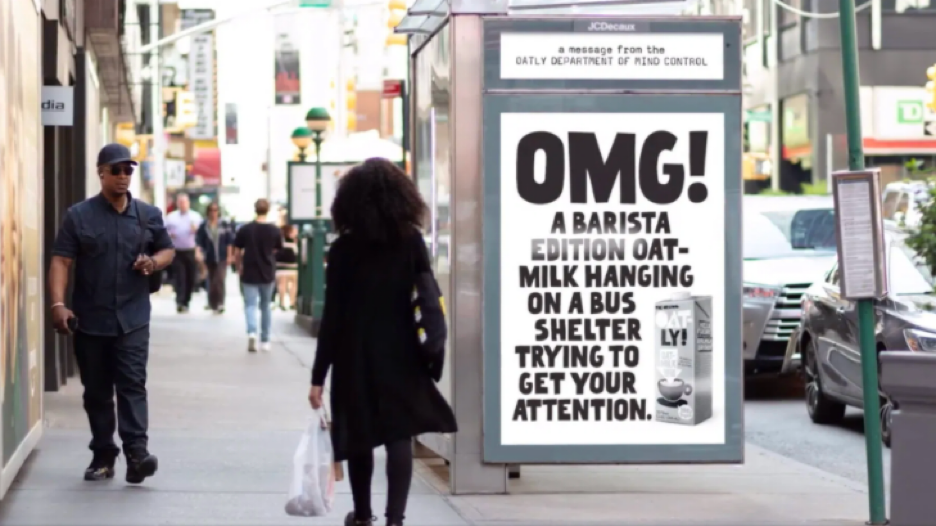
Want to talk about getting discovered? In the physical realm, few brands (recently) have done it better than Oatly.
And keep in mind that consideration is also a function of share-ability. You’d be amazed at how many sales get made on WhatsApp, Slack, G-Chat, or on-site chat features. So, yeah, embed yourself there too.
Be omnipotent (err, close to it). And think about what really gets people to consider you — can you offer a free trial? An incentive? A side-by-side comparison? A money-back guarantee? Or how about the use of Augmented Reality to try items on from a smart phone…

Warby Parker built a massively successful business on the back of the consideration phase of their business model doing just that.
Again, place messages in the context of where the user is shopping. Chances are, they’re in your store on or offline. Repeat messaging to people who’ve clicked on ads with intentional calls to action are the most common pathway to purchase. But remember — you know your customers are on multiple channels. Don’t go all in one channel just because you like the attribution data (your customer doesn’t care about your attribution).
Also, is checkout easy? Do you make it easy to add other items to the online cart, and can customers see shipping and savings costs before they have to enter their credit card information? And what happens when they land on the thank you page?
But that just scratches the surface. If you’re selling online, maybe you can’t offer two day shipping like Amazon. That doesn’t mean you can’t delight the customer while they’re waiting — give them shipping updates. Invitations to join the community of buyers they’re joining. Send them videos on how to use or style the product, or tutorials on how to get the most value out of it. Build anticipation! And what about when they open the package? The sneaker biz has nailed this — unexpected packaging and boxes with special gifts and surprise notes inside. Cards with detailed information on where to leave reviews, or hashtags to use to share the experience. Everything is an opportunity to enrich the shopping experience. And this doesn’t even begin to touch retail. Ask yourself how you can delight a customer at every point in the process. Then get to work.
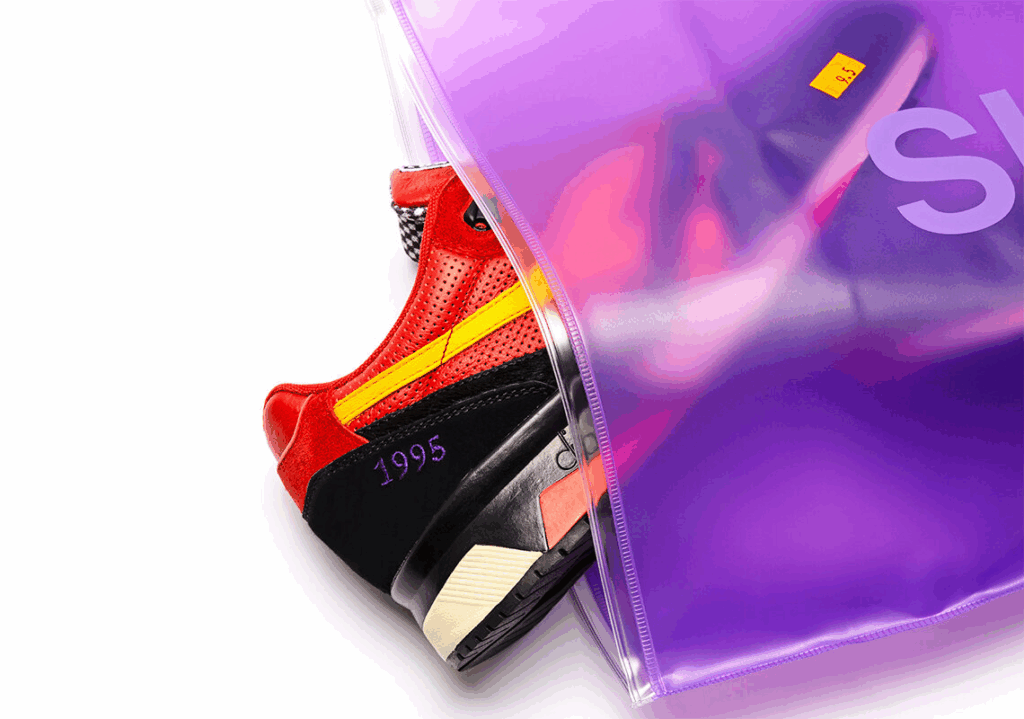
Look at these custom collaboration shoes between hip hop artist, Raekwon, and shoe brand, Diadora. The shoes come in purple sleeves. One says ‘Side A,’ the other says ‘Side B,’ a nod to the musical releases of the shoe’s heritage in the year 1995.
But no one wants to call a 1-800 number. No one wants to email a service account and wait a week for a stranger to reply. They want instant access through chat features or bots, DMs or call services that save your spot in line, then call you. They want easy returns and they don’t want to have to wait for their purchase to be credited either.
Touch points along the way include a strong FAQ section on the website, terms & conditions, digital return labels and return confirmations, and more. As a bonus, utilize YouTube for tutorial videos too.
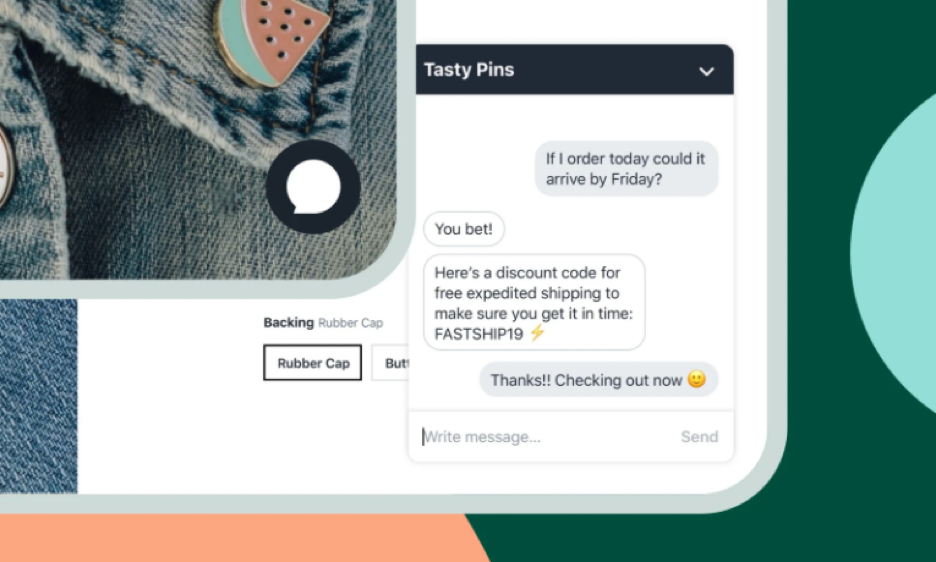
Boom. Instant access through a chat feature — and a successfully expedited return and new purchase.
Take the case of Mini Cooper, where drivers have coordinated their own road rallies all across the country. Mini could’ve found a way to shut it down on legal terms. Instead? They embraced it and joined the fun.
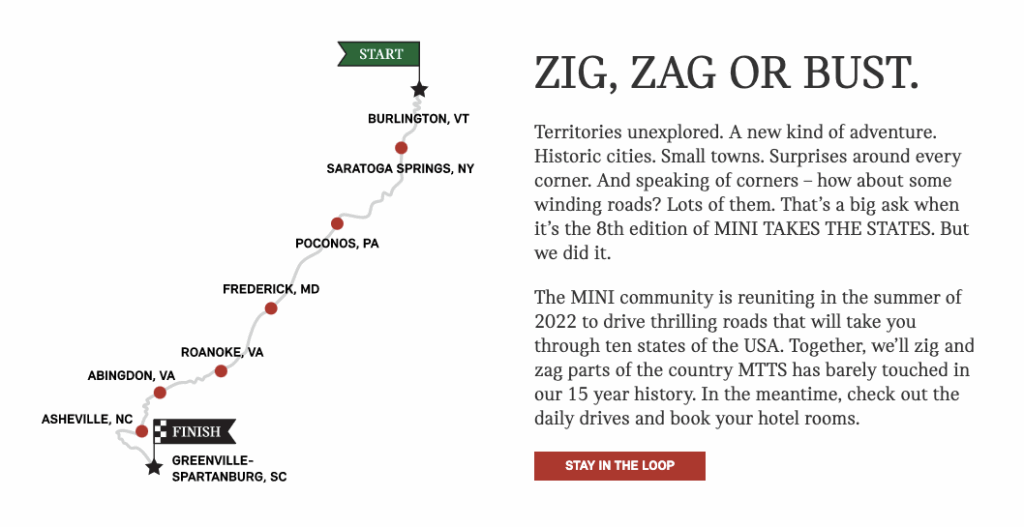
Putting each of these steps together makes for a truly comprehensive customer journey map. And doing so makes it easier to put together a media plan that really speaks to the customer you want, and not just a catch-all because everyone else is doing it.
Go where your customers are. Put messages in those places. And then, delight them like it’s your job. It is.
Insight | 03.07.25
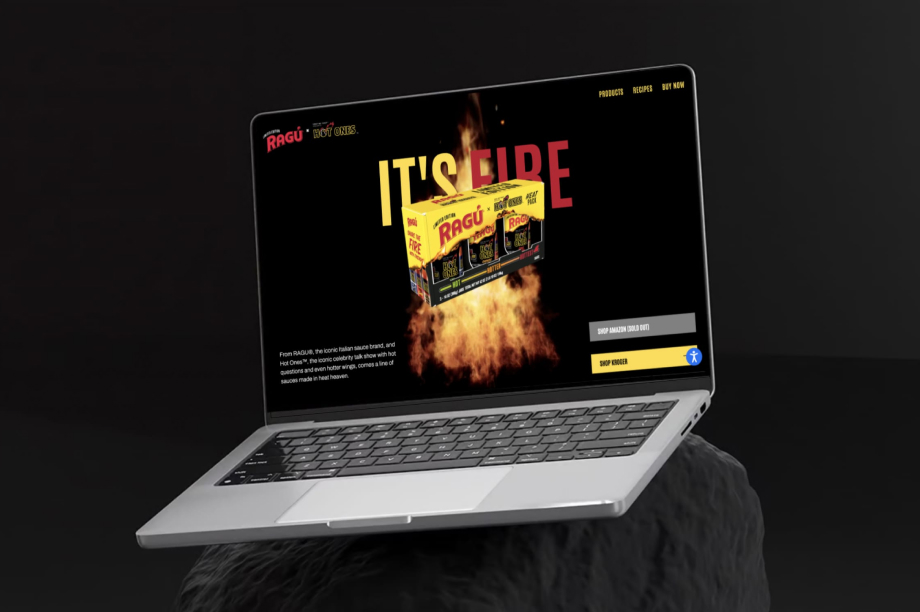
When Mizkan America, Inc.’s most iconic pasta sauce brand, RAGU®, partnered with the fiery YouTube game show, Hot Ones™, it was destined to be a collaboration worth talking about. The result? The RAGÚ® x Hot OnesTM Limited Edition Heat Pack featuring three unique fiery flavors with progressively hotter flavors, available at Amazon and Kroger.
When it came time to bring this hot collaboration to life online, Mizkan America turned to Yalo to create a digital experience that would capture the excitement.
Our team at Yalo was tasked with designing and developing a microsite that did justice to the bold flavors and fun spirit of this collaboration. The end result was raguxhotones.com, a stunning website we really think brings the heat – literally and figuratively.
We knew the site had to do more than just showcase the new spicy pasta sauces; it needed to bring users into the world of RAGU x Hot Ones. From dynamic fire visuals, seamless functionality for exploring the sauces, and intuitive integration of recipes for each sauce, we knew each and every detail needed to be dialed up to deliver an engaging user experience.
Every project comes with unique challenges, and the RAGU x Hot Ones microsite was no exception. Our first task to accomplish was to encourage purchases off-site, as the gift pack is available only on Amazon and Kroger. To address this, we added Amazon buttons into the site and incorporated MikMak, a third-party tool that shows store availability near the user. These efforts meant users could seamlessly interact with the site to purchase.
Another challenge was effectively showcasing recipes for each sauce flavor. To highlight the versatility of the sauces, we added functionality on the recipes page that allows users to toggle between each sauce’s heat level, revealing two unique recipes per sauce.
Finally, we knew that most users would access the site via a QR code on the packaging, making mobile optimization a no-brainer. We approached this by designing the microsite as a mobile-first experience. Our team made sure that the layout, navigation, and overall functionality were optimized for users on the go, without feeling annoyed that the content wasn’t seamless on a mobile device.
This project embodies everything Yalo stands for: creativity, collaboration, and delivering impact for our clients. It wasn’t just about building a site; it was about crafting an experience that celebrates an exciting partnership and turns visitors into customers.
As a team, we couldn’t be prouder of raguxhotones.com. It’s a perfect example of how we bring brands together to create something truly memorable – and, maybe with a little bit of spice.
Insight | 02.17.25

Ah, Crocs. Once upon a time, they were the foot-things we loved to hate. First marketed as boat shoes back in 2002, they were quickly banished to the realms of “ugliest footwear ever.” Yet here we are, decades later, watching Crocs not just survive but thrive. What on earth happened, and more importantly, what lessons should brands take from Crocs?
Let’s dive in.
From Utility to Individuality: A Lesson in Amping It Up
When Crocs first launched, they were known for their functionality. Designed for comfort and durability, they were utilitarian to a fault—practical but lacking personality. They were, essentially, the sensible shoe your middle school teacher wore to do yard work. But in 2017, under new leadership, Crocs made a radical shift. Instead of focusing on what their shoes did, Crocs began to focus on what they could mean: a symbol of joy, self-expression, and yes, even style.
The pivot required them to go beyond what was merely expected or necessary, leaning into unexpected and over-the-top moves to demand attention. The brand started to pump out partnerships with everyone from Post Malone and Justin Bieber to fast-food icons like KFC. (Yes, they made fried chicken Crocs—complete with a drumstick Jibbitz™ charm). These collaborations were fun, unexpected, and just the right amount of outrageous, amplifying Crocs from “comfort wear” to a bold, if still questionable fashion statement.
This is a textbook example of what we at Digital Yalo like to call “Amping It Up to 11.” Crocs didn’t stop at merely shaking their old, practical reputation; they cranked up the individuality and let loose with wild collaborations and off-beat charm accessories. And frankly, anything less would likely have been insufficient.
A Visionary Journey: Embracing the Tour
To be clear, this resurgence didn’t happen overnight, and it certainly wasn’t a straight shot. By 2008, Crocs was practically on life support, hemorrhaging $185 million and cutting thousands of jobs. The stock had plunged, the business was in shambles, and it would’ve been easy to simply refocus on what was safe and comfortable. But rather than retreat, Crocs doubled down on a long-term strategy rooted in self-expression and individuality.
They knew where they wanted to go—they just had to be patient enough to make the journey.
This is what we at Digital Yalo like to call “Embrace the Tour.” Crocs had a vision of where they wanted to be, and they weren’t deterred by short-term losses or missteps. They didn’t panic when the seas got rough; instead, they leaned into the tour, adapting their strategy and committing to a path that was uniquely their own. Today, they’re forecasted to hit $5 billion in sales by 2026. That’s what happens when you stay true to your destination and weather the obstacles along the way.
Inclusion and Authenticity: A Genre for Everyone
One of the key ingredients in Crocs’ recipe for success is their unapologetic embrace of individuality—something we value here at Digital Yalo as “We Are All Genres.”
By positioning themselves as a blank canvas for self-expression, Crocs tapped into a universal truth: people want to feel included and authentic, no matter how quirky or niche their tastes. Crocs let people be a little bit extra (or a lot extra) and celebrate it, whether it’s with a mini ranch bottle charm or a platform heel so chunky it doubles as an ankle workout. In the world of Crocs, there’s a shoe for everyone, and everyone is welcome.
The takeaway? Crocs didn’t merely follow a trend—they made one. By going big on the unexpected and embracing the long haul, they’ve turned a former fashion faux pas into a cult favorite. It’s a reminder that true brand success isn’t just about filling a need. It’s about connecting with people in ways that matter to them, leaning into bold ideas, and staying committed to a vision.
So, next time you’re looking to Amp it Up or Embrace the Tour, take a page from Crocs’ playbook: make it memorable, make it bold, and never shy away from a little fun along the way.
Insight | 02.03.25
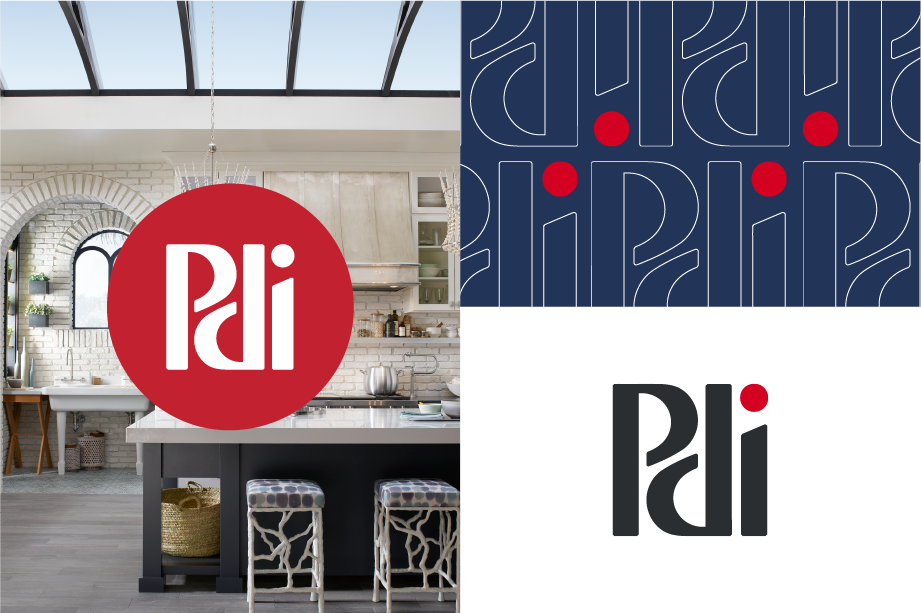
A brand evolution has many moving parts. It’s more than just changing a look and feel, it’s the research and planning that goes into the initiative before any changes are made, and the maintenance that goes into constantly reinforcing the new brand voice—plus everything in between.
PDI Kitchen, Bath and Lighting is known in the plumbing and homebuilding industry for outstanding products and customer relationships. While they had a great reputation on the industry side of things, they were relatively unknown to the public. Enter: Yalo.
When Yalo and PDI began their partnership, PDI had just renovated their public-facing showroom with a curated selection of high-end products and finishes. They also expanded their ecommerce offerings. They needed a brand refresh to match these initiatives, breathing new life into the website’s look and feel and updating their communications.
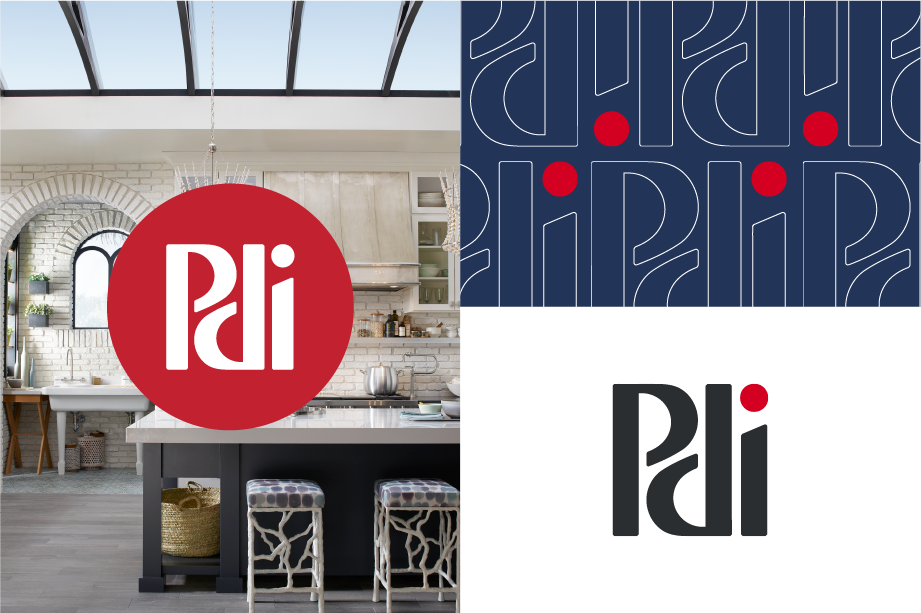
Yalo started where most brand refreshes start—with a new logo and visual identity system. We took their old logo and evolved it to reflect an elevated look and feel, while still alluding to their legacy logo in order to utilize brand equity built over 45 years. We also developed a brand architecture and corresponding identity system for use in acquisitions.
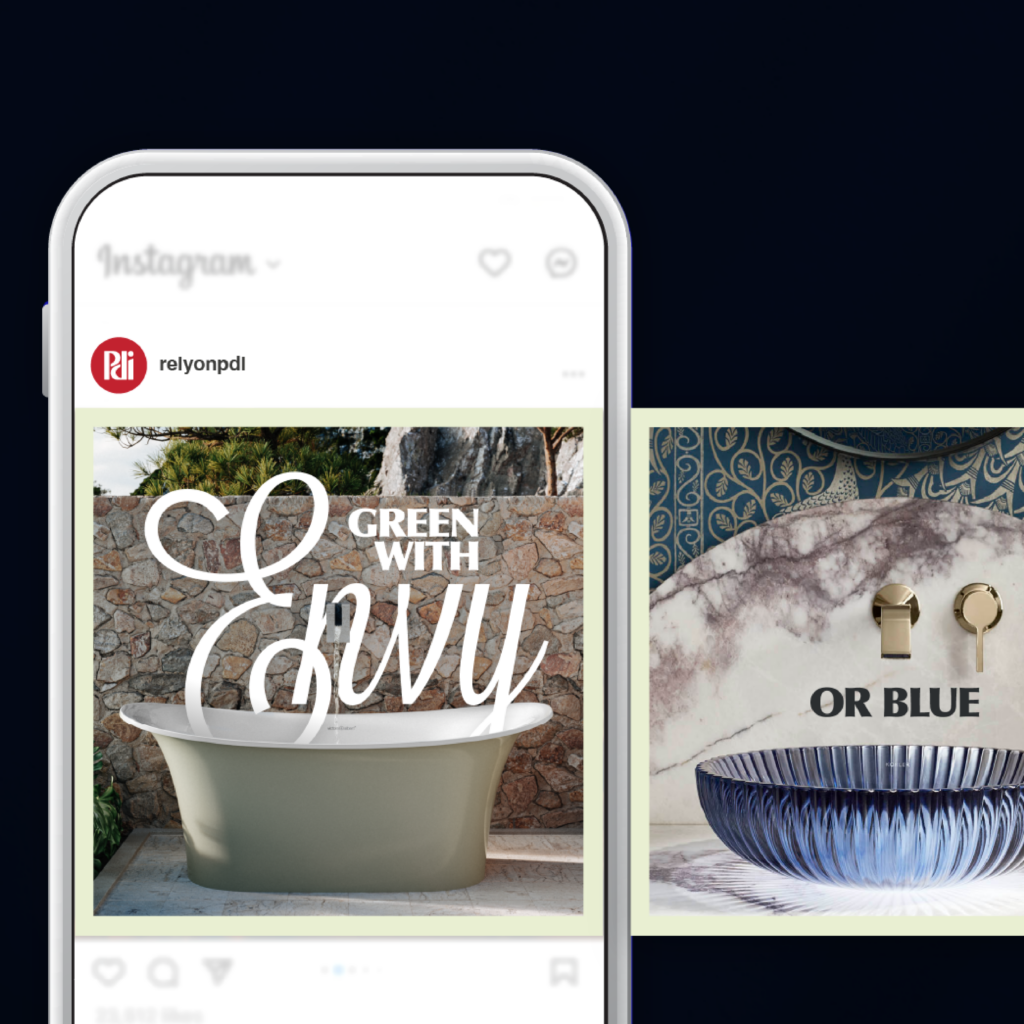
Why do people renovate their home? What goes into deciding where to spend money and which styles to choose? When developing PDI’s advertising campaigns, we looked at the psychology behind home renovation, and used this mindset to develop fun yet elegant messaging, positioning PDI as a trusted, reliable source to bring their vision to life.
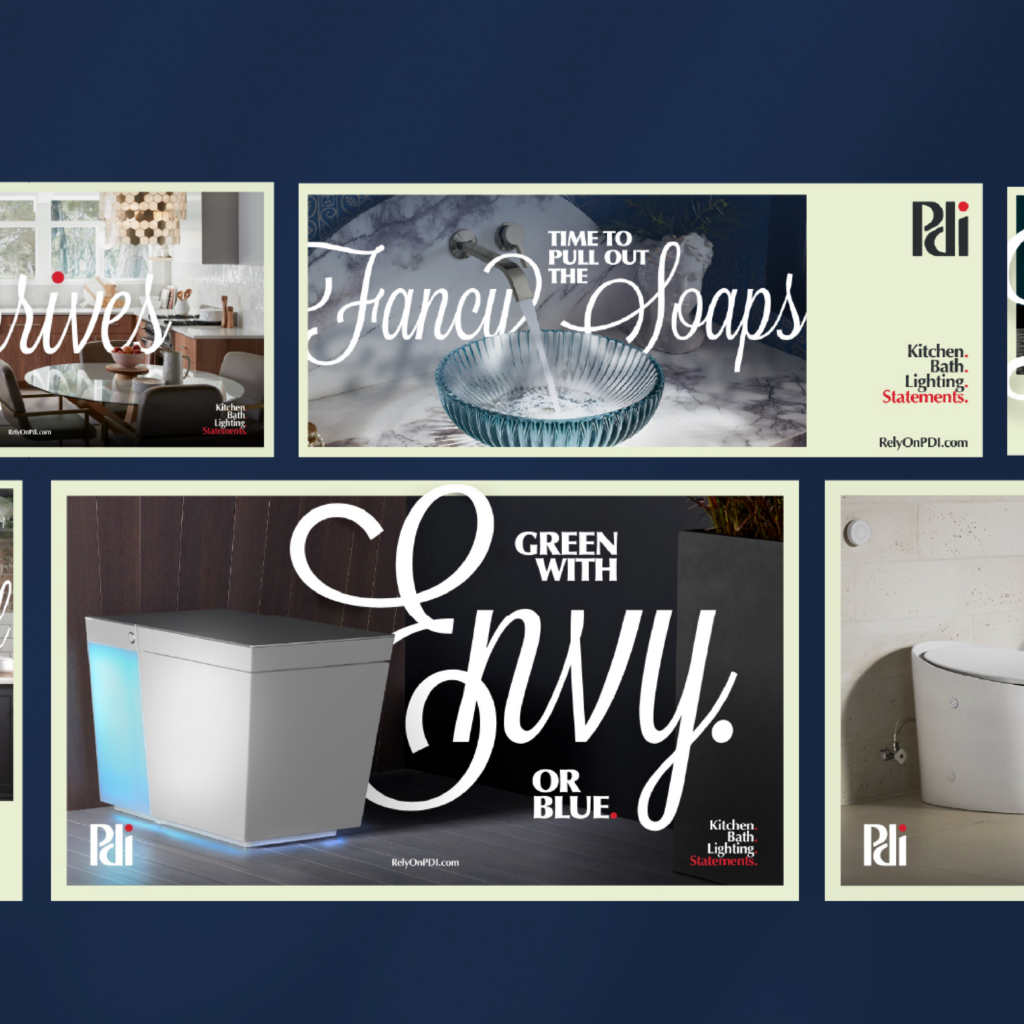

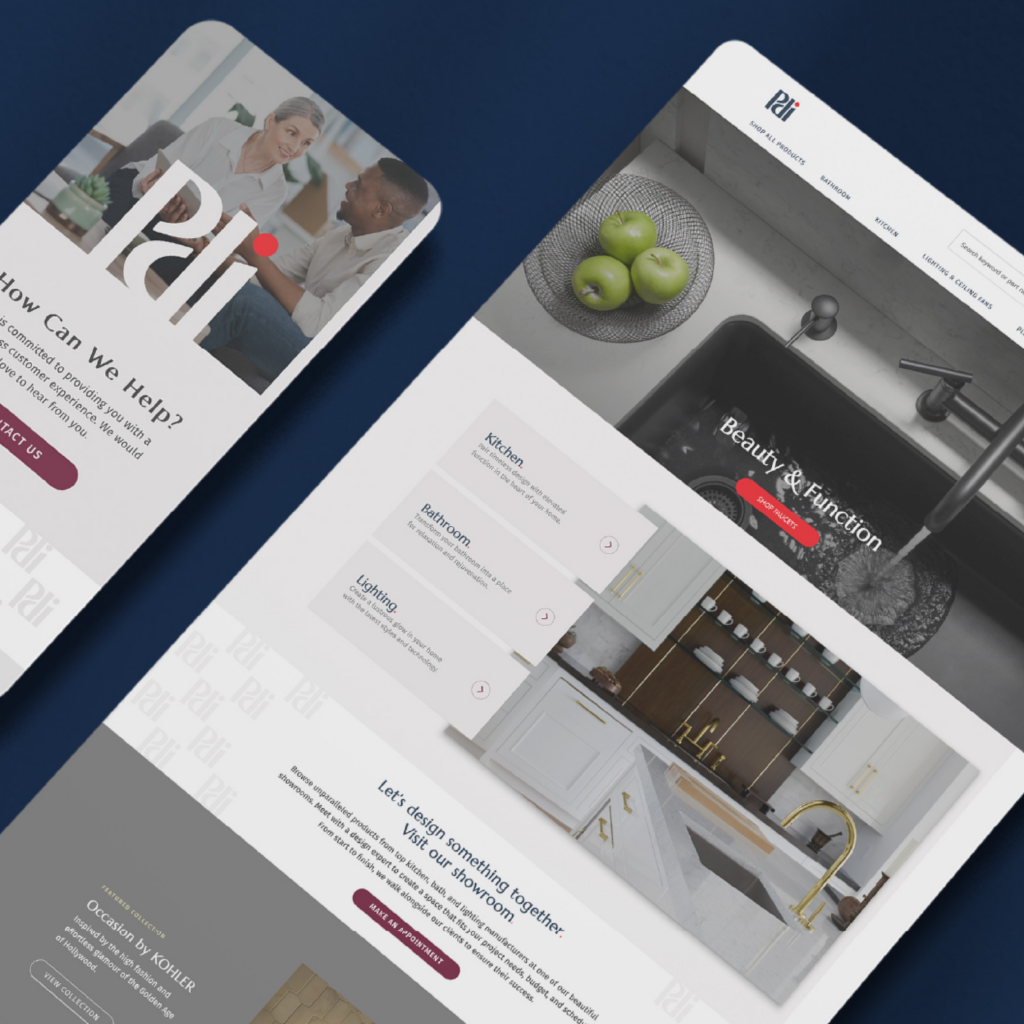
We also created an elevated user experience on the PDI site, enhancing the user interface to reflect PDI’s premium positioning.
Last but certainly not least (also, not technically last, since we continue to evolve the brand), we shot :30 and :15 commercials which spoke to the fun side of home renovation while still showcasing PDI’s offerings.
Insight | 01.06.25

By Max Cedergreen, Group Account Director
Why did I pick account management? My answer is subject to change based on the situation in which I am asked. Over a drink, I may jest that it’s a testament to my failure to make it as a copywriter – having nothing to put in a portfolio aside from alliterative taglines and a collection of one-liners categorized under “somewhat funny.”
On my LinkedIn, you’ll read that it’s a career path nestled at the intersection of strategy and creativity – weaponizing the talents of varying disciplines at the agency to attack client business challenges.
But if you ask me point blank, I will tell you the truth — I just love people. (Reader’s note, if you want to jump to the case study portion of this post, scroll to ‘JUMP AHEAD’)
Finding commonality between myself and others has always brought me a sense of satisfaction – recognizing that it’s a valuable professional skill, is something I never take for granted. To date, building relationships with both my peers and my client partners has been, and will continue to be, the most fulfilling aspect of my career.
As I sit down to share my thoughts on the significance of building strong relationships with clients, I am reminded of instances throughout my career where it has paid dividends. Over time, I’ve come to understand that behind every successful branding strategy lies a deep understanding of the client’s vision, values, and unique attributes. The key to unlocking this treasure trove of insights? Genuine, meaningful relationships.
Anyone who has worked for or with an agency knows that the term “fast-paced” gets thrown around as both a colloquialism and generalization. It’s easy to get caught up in the frenzy of deadlines, deliverables, and results. As a steward for my client partners, my mission goes beyond project intake and delivery; it’s about delving into the soul of a brand and bringing it to life in a meaningful way. In doing so, what I have found over the last decade is that it’s essential to remember that at the heart of every brand or project, there are people – people with personal and professional goals, aspirations, and motivations.
Building relationships with clients isn’t just a nicety, it’s a strategic imperative with tangible benefit for agency and client alike. It lays the foundation for trust, collaboration, and ultimately, success. A two-way relationship between a client partner and an agency that is hinged upon a shared investment in the brand lends itself to both immediate and long-term progress. When a client team trusts their agency, they’re more likely to open up, share insights, and partner when it comes to shaping their brand narrative.
When an agency trusts their client, they are more likely to break the mold with confidence, knowing they will be afforded the chance to demonstrate opportunity through riskier work. The mutual trust lends itself to mutual safety, a key ingredient in creative liberation. Knowing the variable we aim to solve for is but one half of the equation, having an interesting and thought provoking means of addressing the objective accounts for the other.
As agencies look to produce fresh and innovative work for their clients, one of the most significant benefits of fostering strong client relationships is the ability to uncover the hidden gems that set their brand apart from the competition. Every brand has a unique story to tell, but it’s often buried deep beneath layers of market noise and industry trends. By taking the time to listen, ask probing questions, and truly understand the client’s journey, you can unearth these hidden treasures and isolate value propositions, leveraging them to drive results.
JUMP AHEAD: I have felt this firsthand in our relationship with Cortland Apartments.
Headquartered in Atlanta, Cortland is a global, integrated, multi-family apartment management company that focuses on building hospitality-driven and resident-centric communities. As a client, Cortland has been a partner to Yalo for nearly a decade, with a relationship spanning brand building, creative campaign development, and integrated media services. A key milestone in our longstanding relationship has been an introduction of Cortie the Spokes-pug, a furry Australian brand ambassador designed to help disrupt the more predictable nature of apartment advertising and marketing.
On a quarterly basis we meet with our partners at Cortland for what we call the “State of the Business” meeting. For Yalo, the objective is simple: demonstrate our ability to actively listen. By setting aside our instinct to lead, in favor of our ability to listen, we find ourselves in the presence of authentic and organic dialogue between our clients that is rich with insight. Having a designated seat at the table for such discussion puts Yalo at an advantage when it comes to planning out broader strategic initiatives, affording us the ability to plan against pain-points of any scale.
Uncovering these gems isn’t just about asking the right questions; it’s about creating an environment where clients feel comfortable sharing their hopes, concerns, and aspirations.
Think about your clients the way you’d think about a personal friend and how you would interact with them in an interpersonal way. It’s about being empathetic, attentive, and genuinely interested in their success, which builds trust beyond the transaction. While a personal mantra of mine, I believe that many successful agency-folk would agree that a client’s success is heavily tethered to their own success. When they win, we win. We are unified as one as we strive for a common goal. When clients know that you’re invested in their journey, they’re more likely to open up and share the insights that will serve as a catalyst to strategic process and planning.
“Our company and its brand communication needs have changed greatly over the last seven years, and the Yalo team has changed with us. They’re a fountain of ideas and a skilled partner in executing our myriad brand, social, and internal engagement initiatives. Yalo helps us find our voice in the marketplace.” – Britt Else, Creative Director, Cortland.
Inspiration can come from anywhere, and I have found that some of the most valuable insights come from unexpected places; a casual conversation over coffee, a candid moment of reflection, or even a shared laugh over a relatable experience. These seemingly mundane interactions have the capacity to lead to breakthroughs that shape the trajectory of a project and its subsequent success. At the very least, they serve as opportunities to deepen the connection between client and agency alike, demonstrating the peer to peer human connection that is a necessity in any healthy relationship.
While invaluable on the surface, building relationships with clients isn’t just about uncovering insights. It’s also about fostering a sense of partnership and collaboration. When clients feel like they’re part of the creative process, they’re more likely to be invested in the outcome and committed to bringing the vision to life.
By involving them in brainstorming sessions, design reviews, and strategic input meetings, you not only tap into their expertise but also create a sense of ownership that fuels their passion for the project. Beyond that, when the shared vision is successful in the form of tangible results, the shared celebration is that much more meaningful.
One of the most rewarding aspects of my job is seeing the transformation that takes place when a client’s vision comes to life. It’s incredibly gratifying to play a small, but meaningful role in helping them achieve their goals. There is a lot of gratification that comes from recognizing that the work has been impacted by the trust and collaboration that underpin every successful client relationship.
Beyond that, when your relationship surpasses the professional and extends into the personal, it’s like giving a good friend a high-five. Well done.
In today’s hyper-competitive marketplace, brands are constantly vying for consumers’ attention, and standing out from the crowd is no easy feat. Let me say it one more time, louder for the people in the back: By building meaningful relationships with clients, we gain access to the insights, stories, and humanity that inform unique opportunities to create a lasting impression on consumers.
It’s not always going to be a silver-bullet, but why disregard a competitive edge when it’s looking you in the mouth? All professionalism aside – at the bare minimum you stand to better relate to your clients in such a way that it makes difficult conversations easier, and the good conversations great. Sounds great to me.
By now it’s become apparent that this soapbox can only hold me for so long. My hope is that this perspective offers you affirmation of a behavior you already exhibit in your professional existence, or alternatively encourages you to never underestimate the power of building better relationships with clients. It’s not just a means to an end – it’s the foundation upon which successful brand strategies are built.
My challenge to you is to continue to listen, learn, and collaborate, knowing that the insights we uncover and the relationships we forge will drive results that go beyond our most grandiose or anticipated expectations.
Curious about the type of marketing outcomes we can create for you? Check out our case study on Cortland HERE.
Insight | 07.25.24

Consumers are bombarded with an overwhelming amount of information daily, capturing and retaining their attention has become increasingly challenging. Traditional advertising methods, while still effective, are often not enough to make a lasting impression. This is where brand storytelling comes into play. By crafting compelling brand narratives, you can forge deep connections with your audience, fostering loyalty and engagement that transcends mere transactions.
Why Brand Storytelling Matters
The magic of stories have been a fundamental part of human communication for millennia. They entertain, educate, and inspire us. When it comes to brands, storytelling can do the same. A well-crafted narrative can:
Elements of a Compelling Brand Narrative
Crafting a compelling brand narrative involves several key elements:
How to Craft Your Brand Story
Examples of Successful Brand Storytelling
In the era of information overload, brand storytelling is a powerful tool that can help you cut through the noise and build meaningful connections with your audience. By crafting authentic, engaging, and emotionally resonant narratives, you can differentiate your brand, build loyalty, and inspire action. Remember, every brand has a story worth telling— Let Yalo help share yours.
Insight | 05.12.24

In today’s hypercompetitive market, breaking into a new region isn’t just about having a great product, it’s about knowing exactly how to position it. The right insights can be the difference between a brand that eats, like, Wagyu beef versus a bowl of cold gristle.
When tasked with developing a go-to-market strategy for Apollo, a commercial tire brand entering the North American market, Yalo turned to AI to help synthesize massive amounts of data and translate it into actionable marketing intelligence. AI wasn’t just a research tool; it was the foundation of a smarter, more strategic approach to brand positioning.
Step one in any strategic contest is understanding the battlefield. Who are the key players? What are their strengths, weaknesses, and differentiators? Leveraging the artificial intelligence tools at our disposal helped us analyze the competitive landscape at scale. Rather than sifting through whitepapers, industry overviews, competitive positioning and anecdotal insights, we used AI to process everything from customer sentiment analysis and industry trends to competitor marketing messages. We were even privy to some designated fiscal media buys.
What we uncovered was a landscape dominated by a handful of legacy brands, each staking its claim with a “unique” (these are air quotes, FYI) value proposition. Many highlighted their durability, emphasizing their ability to withstand brutal mileage. Others touted affordability, positioning themselves as the best “value” (though value seems to be a dirty word). In looking at larger brands in the space, many emphasized brand trust, leveraging decades of experience to reassure buyers. Through AI-driven sentiment tracking, we could see how these narratives played out in real-world conversations, allowing us to pinpoint white space where Apollo could step in and own a distinct position. Ideally one that appeals to the motivations and needs of our North American audience…
The next challenge? You guessed it: understanding our target audience. Not just who they are, but what makes them tick. Fleet owners and distributors are the gatekeepers of the commercial tire industry, and if you don’t speak their language, you’re not getting through the door.
AI-powered audience analysis allowed us to segment North American fleet owners and distributors based on their key motivators, purchasing behaviors, and industry pain points. The data painted a clear picture: these buyers aren’t just looking for tires—they’re looking for reliability, efficiency, and solutions that address the specific challenges of North American roads.
And those roads? They’re a damn mess. From the snow-packed highways of the Northeast to the blistering heat of the Southwest, truckers face a gauntlet of conditions that demand more from their tires. AI helped us quantify these challenges, analyzing regional weather patterns, accident reports, and fleet maintenance logs to validate a crucial insight: North American truckers don’t just need tough tires; they need intelligent tires engineered to anticipate and overcome the unpredictable nature of the road.
With a clear understanding of the competitive landscape and our audience’s needs, we built a strategic brief that cut right to the core of Apollo’s differentiation. Unlike competitors who leaned on vague promises of durability or affordability, Apollo had something unique: engineering intelligence. Their approach to tire manufacturing wasn’t just about toughness; it was about smart, calculated performance backed by data, research, and world-class engineering.
That insight led us to a creative platform that not only set Apollo apart but also resonated deeply with our audience: Smart Tires for Stupid Roads.
This wasn’t just a tagline; it was a rallying cry. It acknowledged the reality that truckers face every day—roads riddled with potholes, black ice, and extreme conditions—and positioned Apollo as the solution that could take on those challenges with intelligence and precision. The best part? Despite the high-quality, Apollo is a more affordable tire, backed by a road-hazard guarantee. That’s tier one performance at a tier two price. That way, we wouldn’t have to lean on value as a motivator, but rather let it be the closer when it’s time to make a sale.
AI isn’t just a tool for efficiency, it’s a weapon for marketers who want to outthink the competition and a megaphone for us to amplify our message. By leveraging AI-driven industry analysis, audience segmentation, and competitive intelligence, we were able to craft a positioning strategy for Apollo that was both authentic and compelling. Hell, I feel like I am getting nostalgic about the future.
The result? A market entry strategy that didn’t just introduce a new brand but made a bold statement: when the roads are unpredictable, your tires shouldn’t be.
Insight | 01.17.24

In the dynamic and competitive landscape of the business world, the importance of a well-crafted brand strategy cannot be overstated. A brand is not just a logo or a product; it’s an experience, a promise, and a reflection of your company’s values. Today, we’ll delve into the intricacies of brand strategy, exploring the key elements that contribute to a successful and compelling brand.
In the ever-evolving business landscape, a well-crafted brand strategy is the compass that guides your journey to success. By understanding your audience, defining your unique value proposition, maintaining consistency, weaving a compelling narrative, embracing digital channels, and building trust, you can create a brand that not only stands out but stands the test of time. Let Yalo lead the effort into crafting a brand strategy that resonates – your brand’s future success depends on it.
Insight | 10.11.23

In the digital age, content is king. It’s the driving force behind successful marketing campaigns, the cornerstone of effective communication, and the lifeline of your online presence. Content Strategy and Content Development are the twin pillars that support the creation of content that not only resonates with your audience but also aligns seamlessly with your brand’s objectives. Today we’ll explore why these services are crucial for your business and how they can help you create content that stands out in the digital landscape.
The Power of Content
Before we dive into the intricacies of Content Strategy and Content Development, it’s essential to understand the sheer power of content in the modern business world. Content is more than just words on a webpage or posts on social media; it’s the medium through which your brand communicates with its audience. Effective content can:
Content Strategy: The Roadmap to Success
A well-defined Content Strategy serves as the guiding light for your content endeavors. It’s not just about posting on social media or writing blog posts. A successful Content Strategy involves:
Content Development: The Art of Creation
Once your Content Strategy is in place, it’s time for Content Development to take center stage. This process involves:
Bringing It All Together
Content Strategy and Content Development are two sides of the same coin. A well-thought-out Content Strategy lays the foundation, guiding your content’s purpose, direction, and distribution. Content Development takes that strategy and brings it to life, crafting content that captivates, educates, and inspires your audience.
In the fiercely competitive digital landscape, businesses that invest in these services gain a significant edge. Crafting compelling content that resonates with your audience and aligns with your brand’s goals isn’t just a marketing strategy; it’s a necessity for success. With a strong Content Strategy and Content Development in place, you’ll be well on your way to creating content that not only stands out but also leaves a lasting impact on your audience and your bottom line.
Insight | 09.27.23

In the vast sea of products and services, a strong brand identity is your North Star, guiding customers towards your shores. It’s not just about having a fancy logo or catchy slogan; it’s about creating a lasting emotional connection with your audience. Welcome to the world of branding and brand strategy, where the magic of storytelling and the power of brand equity converge to form an unbreakable bond between your brand and your customers.
The Essence of Brand Identity
Crafting a Distinctive Visual Identity
Your brand’s visual elements – logo, colors, typography, and design – are the building blocks of recognition. A well-designed logo can convey your brand’s personality, values, and mission in a single glance. Consider the golden arches of McDonald’s or the bitten apple of Apple; these logos have transcended their physical forms to become symbols of a lifestyle.
The Power of Consistency
Consistency is the secret sauce of branding. Every interaction with your brand should feel like a rendezvous with an old friend. Maintain uniformity in design, messaging, and tone across all touchpoints, from your website to your social media profiles. This consistency breeds trust and familiarity.
The Art of Brand Storytelling
Evoke Emotions, Not Just Transactions
Humans are wired to respond to stories. Your brand story should resonate with your target audience on a deep emotional level. It should answer the “why” behind your business, highlighting your journey, challenges, and triumphs. Your customers should see themselves in your narrative, forging a connection that goes beyond the transactional.
Authenticity is the Hero
Authenticity is the currency of the digital age. Be genuine, transparent, and true to your values. Consumers can spot a facade from a mile away, and they gravitate towards brands that are honest and human.
User-Generated Content: Your Brand’s Best Friend
Your customers are your most potent storytellers. Encourage them to share their experiences with your brand. User-generated content adds authenticity and trust to your brand narrative. Share these stories on your platforms, turning your customers into brand advocates.
Building Brand Equity
Defining Brand Equity
Brand equity is the sum total of all the perceptions, associations, and feelings people have towards your brand. A strong brand equity means your customers not only recognize your brand but also value it. It’s an intangible asset that pays dividends in the long run.
Consistency in Quality
One of the pillars of brand equity is consistent product or service quality. Customers should know what to expect when they engage with your brand. Meet and exceed their expectations, every single time.
Customer-Centric Approach
Your customers are at the heart of your brand equity. Listen to their feedback, adapt to their changing needs, and show them that you care. Exceptional customer service can turn a one-time buyer into a lifelong advocate.
Innovation and Adaptation
A brand that refuses to evolve becomes stagnant. Stay relevant by continuously innovating and adapting to market changes. Don’t be afraid to reinvent your brand if necessary, as long as it stays true to its core values.
Crafting and maintaining a strong brand identity is a journey that requires creativity, consistency, and a deep understanding of your audience. Branding is not a one-time effort; it’s an ongoing commitment to telling your story, delivering quality, and building trust. As marketers, our mission is to create brands that not only capture attention but also capture hearts, forging connections that withstand the test of time. So, let’s embark on this branding adventure together, and let your brand shine bright in the constellation of consumer choices.
Insight | 01.26.23

A lot has been written about the importance of music in branding. Whether it’s discovering a new favorite song in a commercial (“Pink Moon” in a VW ad), hearing a jingle that you sing over and over again for years despite never having set foot in the store (O-O-O-Oreilly’s!), or the sweeping score that adds even more melodrama to a heart wrenching spot (looking at you, multitude of P&G Olympics ads), music can make an otherwise forgettable visual last for years.
Why? People connect with music in a way that eclipses most other ways of communication. There’s a reason earworms exist but not eyeworms (gross)—even the most annoying or mundane jingle can sit in your brain just as easily as your favorite song*. This has been proven again and again far beyond the marketing world and long before recorded sound.
One of the earliest examples of music as a communication tool is opera. Beginning in the 1500s and (slowly) spreading across cultures and languages, opera managed storytelling through music in a way that didn’t require an understanding of Italian—only an understanding that a key change can indicate sadness or happiness, and that a whole story can be told without a single word. It was one of the first times that music was used to help bridge barriers between cultures—a phenomenon that continues to this day. Songs have since been used as rally cries, as protest vehicles, and ways to incite change and celebrate victories.

A recent study by Harvard University found that no matter what genre a song is in, or what language the participant spoke, the psychological purpose of a song (is it meant to make you happy? Sad? Pump you up? Is it a lullaby?) can easily be identified through tonality, tempo and instrumentation. All societies put words to songs. All societies dance. In an economy that’s becoming increasingly global, music might be our best chance to transcend differences.
Ok, back to the world of marketing. Like we said, music can make a huge impact on your brand. But did you know it can help even before a single ad is written, or concept is concepted, or strategy is…uh…strategized? Mention the word “music” and a tune probably starts playing in your head. Though this tune is different for everyone, it’s still made up of notes and rhythm that compose a universal language. How else could 100,000 people sing a song correctly and in tune from a band halfway around the world? In the world of marketing where “right” is never black and white, music provides an ideal medium to define a singular, unified direction.
At Yalo we use music to help companies set the emotional compass of their brand before the heavy lift of designs, mock-ups, or mood boards are executed. In fact, we put music at the core of everything we do. Our tribe is encouraged to use music as a concepting tool, as a way of drumming up inspiration (pun completely intended) or as a way to relax when things get a little hectic. We’re even given a concert budget to see live music.
Want to learn more about how music can help your brand? Just ask! And In case you’re wondering what our favorite song is these days, just press play below. (Though with a medium so dynamic and diverse as music, it changes all the time.)
*We’re not telling you to go out and write a jingle for your brand. Whether jingles actually drive sales is a whole other can of (ear)worms.
If you enjoyed these ideas and information, why not sign-up for Yalo’s bi-weekly email blasts directly below? We cover advertising & marketing strategy, trends and technologies, as well as popular music and culture, arts and sports. We give our readers food for thought, and stimulating content you can share with hipsters, geeks, CEOs and jocks alike. Come on, we know you want to!
Insight | 01.04.23

As a new year begins, marketers are predicting which marketing trends will matter the most and placing their bets (and budgets) on those they believe will show the most return on investment. Here below are five tactical trends that we see adding value to the market(ing) place in 2023.
A strong brand can build customer loyalty, increase customer lifetime value, drive business growth, and increase the perceived value of your products or services, which can lead to higher prices and more profitability.
A few benefits of building a strong brand:
Full disclosure: Yalo offers our Brand Strategy Bootcamp to help fledgling as well as established brands to dip their toes in the world of brand strategy for greater awareness in the public sector. It’s a fun, informative, effective exercise our clients love to experience!
Creators are the beating heart of social media, and their endorsements can shape consumer behavior drastically. The creator economy refers to the network of people who create and share content online, often for a large and engaged audience. Brands can tap into the creator economy in a number of ways:
Overall, the key to success in the creator economy is to build authentic and mutually beneficial relationships with creators. This can help brands to reach new audiences and stay relevant in an increasingly digital world.
Artificial intelligence (AI) and automation are being increasingly used in marketing to help companies save time and resources, as well as to improve their marketing efforts. Some common applications of AI in marketing include:
Another disclosure! Yalo has been offering Sentiment Analysis services powered by AI for some time now for business intelligence for our clients.
TikTok and user-generated social media videos that organically draw in an audience or create word-of-mouth are the best bang for your buck. There are several benefits of user-generated social media videos:
Brands can leverage web3 technology and virtual influencers in a number of ways. Here are a few potential strategies:
Overall, virtual influencers and web3 technology offer brands new and innovative ways to reach and engage with their audience. By staying up-to-date on the latest trends and technologies, brands can find creative ways to leverage these tools to their advantage.
Let Yalo keep you on-trend in 2023. Subscribe to our free e-blasts below for informative, entertaining and stimulating analysis and critiques on what‘s happening in the worlds of marketing, advertising and pop culture. Scroll down to the bottom of the page if you’d like to start a conversation with us!
Insight | 03.31.21

Being consistent for brands has never been more rewarded than in our current, challenging and changing world. But consistency doesn’t and shouldn’t equal boring.
Companies and brands have a significant opportunity to drive deeper consumer action, loyalty, and advocacy to create a foolproof brand to stay relevant and increase reach no matter what happens in the world.

Here are five tips to be consistent and create bolder, deeper and foolproof brand engagements:
Color Me Brand: Take the time for a mini brand visual and verbal refresh. Update your color palette for this Spring and Summer to use across social media and advertising. Feature bold, vibrant colors to welcome spring and wake up your feed. Bold colors visually announce a new beginning and are a subtle way to re-energize your visual assets to re-engage your customers.
Can We Talk? Spend some time asking your customers what’s on their mind. Listen. Respond with smart, deliberate content that lets them know you hear them. Foolproof brands realize it isn’t about them, but about their customers. Start including a quick survey in your social media strategy to direct your content. Don’t be afraid to address the issues that matter to you and your customers.
Entertain Me: A joke. A good playlist. A virtual cocktail party. Smart brands create a mix of ongoing engagement opportunities to bring their brand personality to life and entertain their customers.
Surprise Surprise! Nothing drives stronger engagement than an unexpected surprise. Make it a practice to surprise customers in big and small ways. Go beyond liking a post of user-generated-content and ask the creator to collaborate with your brand instead. Go old-school and send a snail mail, well thought-out, curated, box of branded goodness.
Socially Acceptable: Foolproof brands know that you must continuously evolve to engage with your customers. TikTok and Clubhouse are two social platforms bold brands need to be a part of and have an active presence. Partner with emerging artists and musicians to stay current and always evolve your brand engagements.
If you are ready to take bold action, our creative team is at the ready…no foolin’.
See examples of our bold branding finesse for clients on this page. Connect with us today and let’s get your brand boosted and blooming like nobody’s business.