
Insight | 01.17.25
Insight | 05.29.24
In the dynamic world of digital marketing, brands are constantly seeking effective strategies to reach their target audiences and drive engagement.
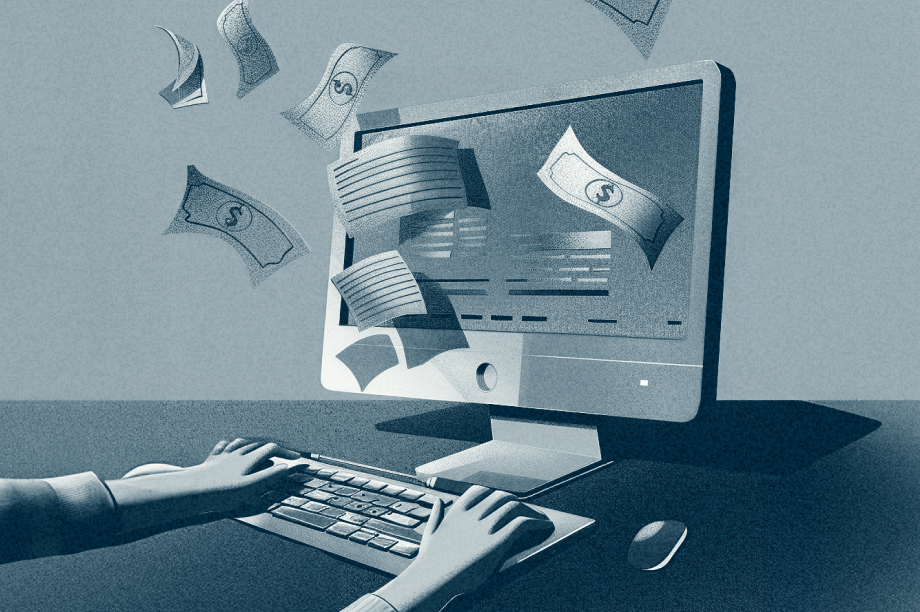
In the dynamic world of digital marketing, brands are constantly seeking effective strategies to reach their target audiences and drive engagement. Among the myriad of options available, paid media has emerged as a powerful tool. When combined with the intelligent use of metrics, paid media not only amplifies a brand’s presence but also provides invaluable insights into consumer behavior. Let’s explore the significance of paid media and how brands can harness metrics to maximize their return on investment (ROI).
Understanding Paid Media
Paid media refers to any form of advertising that a brand pays for to promote its content or products. This includes various channels such as:
The Role of Metrics in Paid Media
Metrics are the backbone of any successful paid media campaign. They provide a quantitative basis for evaluating the effectiveness of advertising efforts and inform strategic decisions. Here are some key metrics that brands should focus on:
Strategies for Leveraging Metrics
To effectively leverage metrics, brands need to adopt a strategic approach. Here are some tips:
Let Yalo help you unleash the power of paid media. Contact us today for a strategic assessment of your marketing needs.
Insight | 10.24.22

Gearing up for Grammy season and you know us here at Yalo, looooooove our music. It is part of our DNA. It is part of our methodology. Maybe you’ve heard of our Soul Song creative process that helps brands identify their soul and amp up their brand presence? If not, we should talk!
Now, back to the topic of bands reppin’ brands. This started decades ago. For me, my first memories of this being a ‘thing’ was back in the early 80’s when rap music first emerged. I believe the rap music genre created and capitalized on the opportunity. Do you remember LL Cool J and the Kangol?

Run DMC and Adidas shell toe shoes and track suits were synonymous. You couldn’t hear a Run DMC song and not think Adidas.

However, for years before and after rap did it, it was considered ‘selling out’ by other bands and artists. They opposed it. Well, the rap pioneers didn’t care. I think they considered it part of the hustle. Just like selling their music mixtapes music out of their trunk and on street corners. By any means necessary.
But then, the King of Pop did it. He represented Pepsi. Who could forget his hair catching on fire while filming a commercial? Despite the hair and fire thing, he made it ok, he made it cool to put your music with a brand. Since then, many bands and brands have gotten together. These days, just about anybody’s music will show up in a commercial, even the Beatles. There are tastemakers whose sole job at major brands is to seek out the newest, coolest, hippest artists to include in their commercials. What a great job, who wouldn’t want to do that!
These tastemakers put together unlikely pairs like Motley Crue and Ally Financial using “Kick Start My Heart” in a commercial (see our blog on this). They put together trendy artists with brands that want to look cool and appeal to a younger generation. A few examples that come to mind are:
They are even taking old songs and making them cool again. How about Walmart and Gary Numan’s “Cars”?
But it doesn’t stop there. Michael Jordan pioneered athletes getting into this game too by creating the Air Jordan brand by Nike. The marriage of Jordan and Nike has turned itself into a $1B business in and of itself. Recently, the most notable athlete example is Lebron James and Beats. Not only did Lebron start reppin’ the headphones, but he also became part owner. Now that’s how you double down on yourself!
So, I ask you this. Who would you pick as your artist or band to represent your brand? Tell us by posting your choice #YaloBandnBrand. Here are some of our Yalo tribe favorites and selections.
While you’re thinking about your brand, why not allow Yalo to give you some new ideas about your public persona? Brand strategy is one of our favorite things to do to help a company interface well with the general marketplace. Contact us at the bottom of this page and let’s get something started together.
Rock on!
Insight | 03.31.21
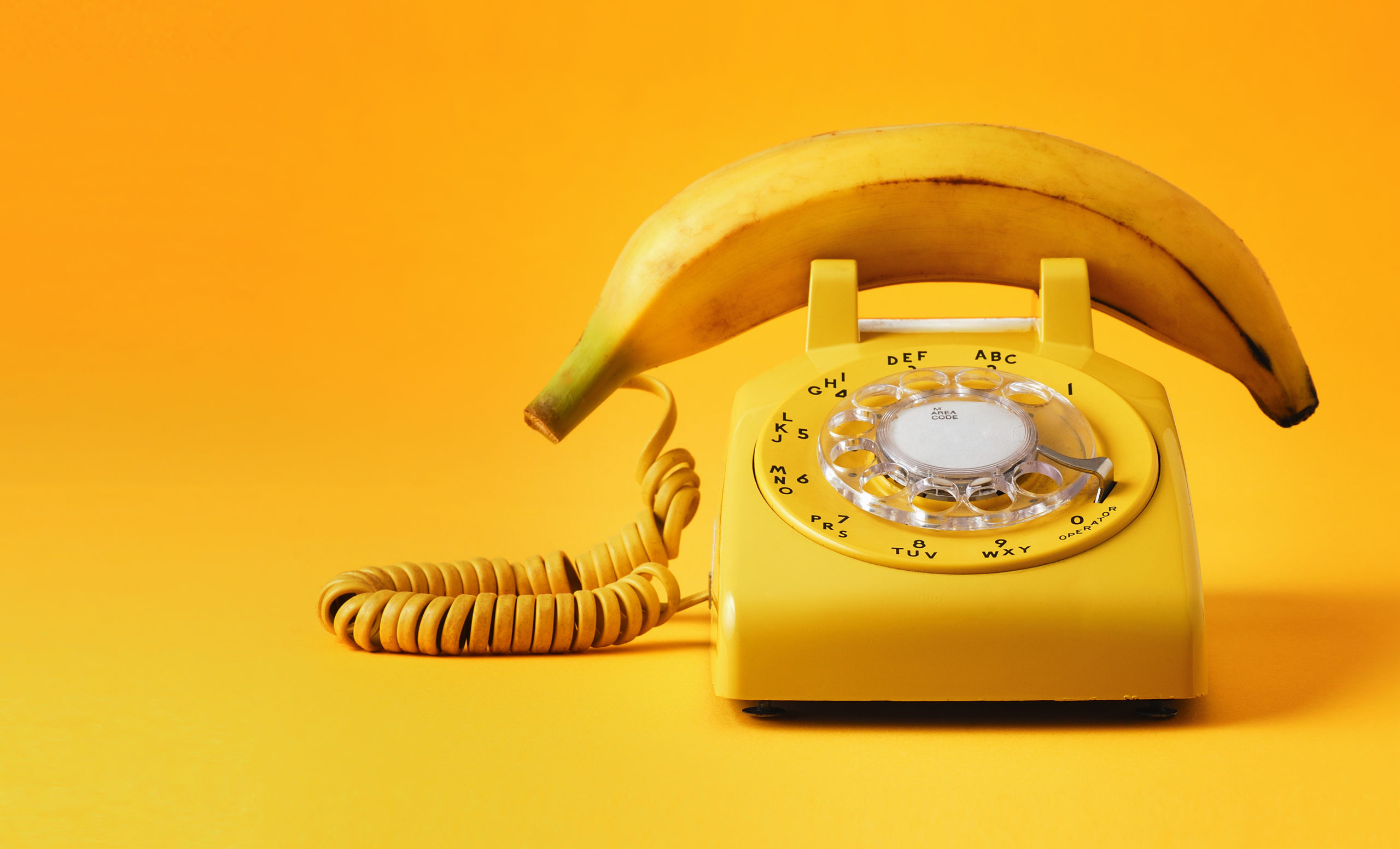
Taco Bell toilet Paper? Printing money from your phone? We love a great April Fool’s joke.
But we love April Fool’s Day even more when companies strike the right tone and execution in delivery of a hoax to put a smile on our faces, rather than making us look like a fool. When done right, April Fool’s Day is a perfect opportunity for brands to increase consumer engagement and deepen reach.
No fooling, here are five of our favorite, well-thought-out brand activations to celebrate the day created to add some levity into the world and poke-fun at ourselves.
Party In The Sky WestJet #FlyreFestival
Out of the ashes of Fyre Festival came WestJet’s Flyre Festival. Offering the world’s first premium in-flight music festival. The cheese sandwiches are on you though.

Out-Of-This-World Whiskey
Taking the trend of aged whiskey to new heights, Jameson introduced triple-distilled whiskey – matured in Ireland and finished in outer space. The brand was so dedicated to pulling-the-wool over our eyes, they actually sent a bottle 110,000 feet above earth.

Tinder Height Verification Badge
No one likes to get burned by misleading dating app profiles, so Tinder fooled us all in thinking it had created a solution to the biggest lie told on its app – height! Tinder trolled users by announcing plans to introduce a height verification badge. “Simply input your true, accurate height with a screenshot of you standing next to any commercial building. We’ll do some state-of-the-art verifying and you’ll receive your badge directly on your profile”.

The Rosetta Stone – Learn to Speak Klingon
Many a Star Trek fan has marveled at their friends who seem to speak Klingon as fluently as they speak English, German, Italian, or French. Now with this complete Klingon software package you will be able to express your thoughts safely and effectively in Klingon and master the conversational skills required to conduct negotiations, request medical assistance and partake in the rich Klingon culture.

Money on Your Phone
Who wouldn’t love to print money from your phone? In the UK, PayPal tricked us all by announcing a new feature to turn your phone into a mobile ATM. Got us? We were fooled.

Do you have any brand antics up your sleeve this year? Or perhaps you’d like to pull-off a similar stunt to one of these you’ve just read and you need assistance devising a concept? Making people laugh is one of our core competencies – let’s brainstorm some clever content and get your team laughing all the way to the bank! Contact us here to get started.
Insight | 02.17.21

“Got a Rizla?” You might not have heard of it. I had not until I came across the company in a recent edition of the Economist. What really grabbed my attention was how the article compared Rizla to enduring brands like Coca-Cola, Google, Jacuzzi, or Tupperware, whose name defines the product.
History, design, values, consistent quality – characteristics marketers look at that make brands truly unique. Let’s explore how a cigarette rolling paper company exploits these characteristics to dominate their industry and maintain a tribe-like loyalty in a business that comes with certain baggage.
Don’t have an illustrious origin story? Make one up! “The original…since 1796”. You can find that on the underside of their packaging still. Folklore and generational history have tied the Napoleon era forever to the Rizla history. They remind you of it every time you see the product and the brand. These origin stories: real, imagined—or a bit of both—are powerful plays to help establish and make your brand stand out.

Give people a sneak peek of your secret sauce. Another example is the heavily guarded and super-secret formula of Coca-Cola for over 125 years. They have taken this origin story to another level letting you get as close as you can to the formula in the vault at the World of Coca-Cola experience.

Create unique connections with your brand. The Rizla design is iconic and mysterious. With nods back to original material used to make the rolling papers – rice, and the ode to the founder Peter LaCroix. The logo has been used in a variety of creative formats at the various music festivals and racing events they sponsor. If you want an iconic brand, have a great story and make sure your brand emotes a certain set of values that your customers and fans connect with on a deeper level.

Get to know your customer’s likes and obsessions. Rizla’s customer base is obsessed over attention to detail and a certain sense of irreverence. Their base also shares similar language, looks, and taste that make it a great way to reach them. Really understanding your customer base, why they choose you, and what makes them tick are distinct and personal sets of information that are critical to building the brand and ultimately turning your customer base into ambassadors of your brand. Maybe that software company with the fruit logo or the coffee company near them come to mind. Yes they are juggernauts but they have applied these principles almost religiously to get where they are.
Ultimately what you sell or provide has to be good. “Keep rolling with the World’s #1” has to have some merit or your brand will be a “paper tiger.” (Pun intended)
A crafty story. An authentic design. Customer intimacy. A good product. Nice little checklist to make your brand standout. Give us a shout! We would love to Rock-n-ROLL with your brand!