Insight | 01.17.25
Insight | 04.24.25
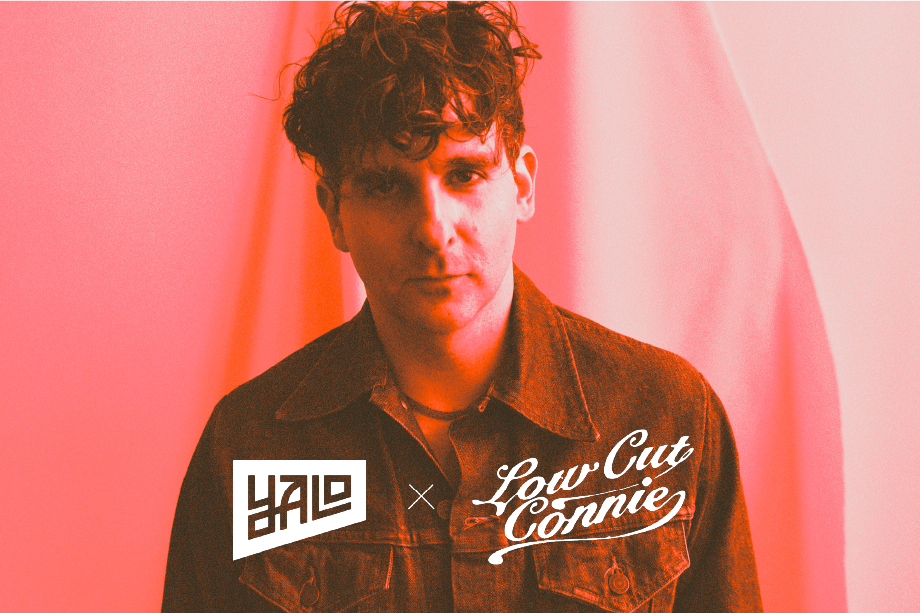
Music engages most of our senses, but the strongest of them is feeling. (You thought we’d say hearing, right? Wrong!) That’s why we so often turn to music for inspiration when we want our clients to feel something, encouraging them all to pick “soul songs” from which to help drive branding ideas. People connect with music in a primal way. No one knows this better than Philadelphia-based musician and bon vivant Adam Weiner, aka Low Cut Connie.
Known for his high-energy live shows, Low Cut Connie has a stage presence that’s almost unmatched in today’s musical landscape. He personifies the Yalo tenet of “amping it up to 11” in almost every way, which made him a natural fit to partner with Yalo. For over ten years, Yalo and Low Cut Connie have shared a love of bringing music into everything they do, and have supported each other through branding and event opportunities.
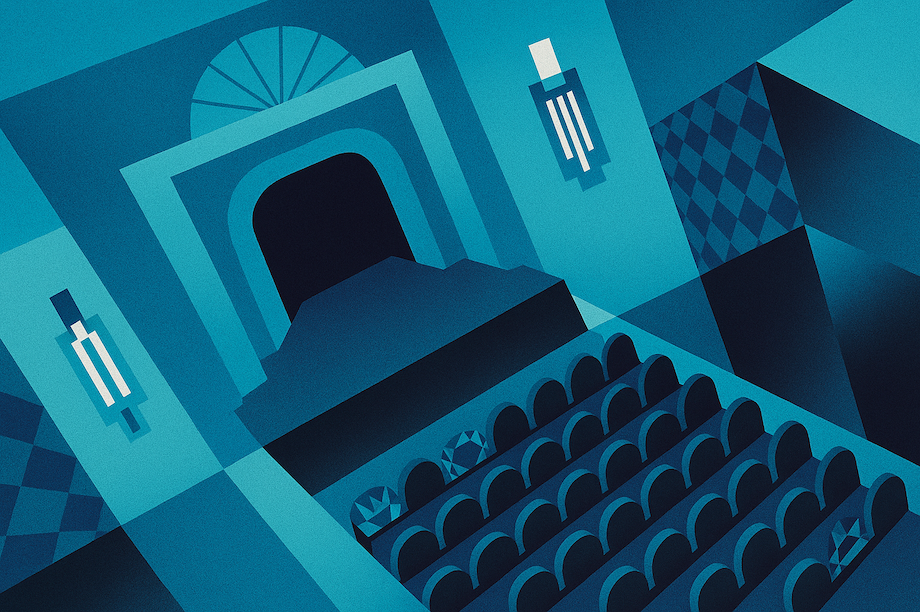
When it came time for Low Cut Connie’s summer residence at Ardmore Theater, we knew we had to jump in and tell the world about it, with a website that allowed for the kind of fan interaction that LCC was known for (in digital form, of course). Instead of just the ability to get information and purchase tickets, this site allowed fans to choose the song they wanted Low Cut Connie to cover at each of his shows, with a selection that changed every week.
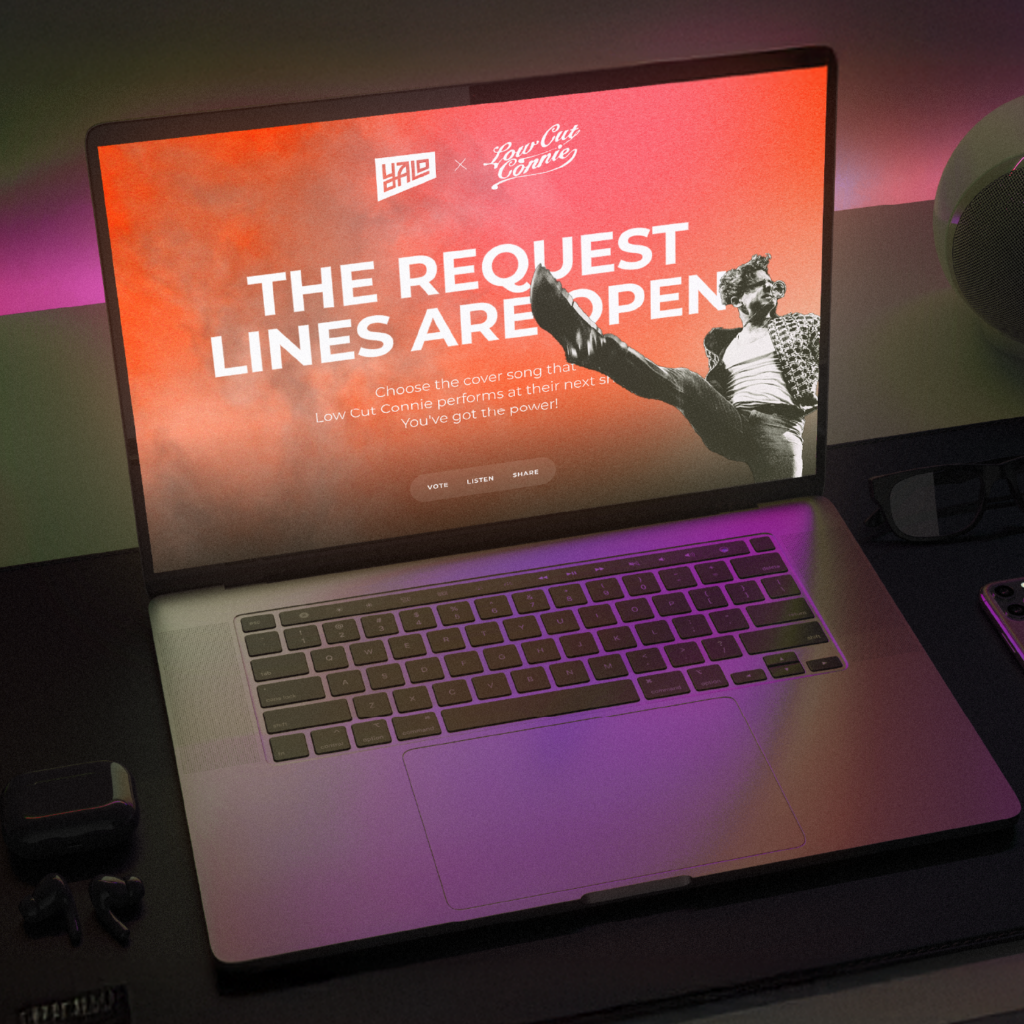
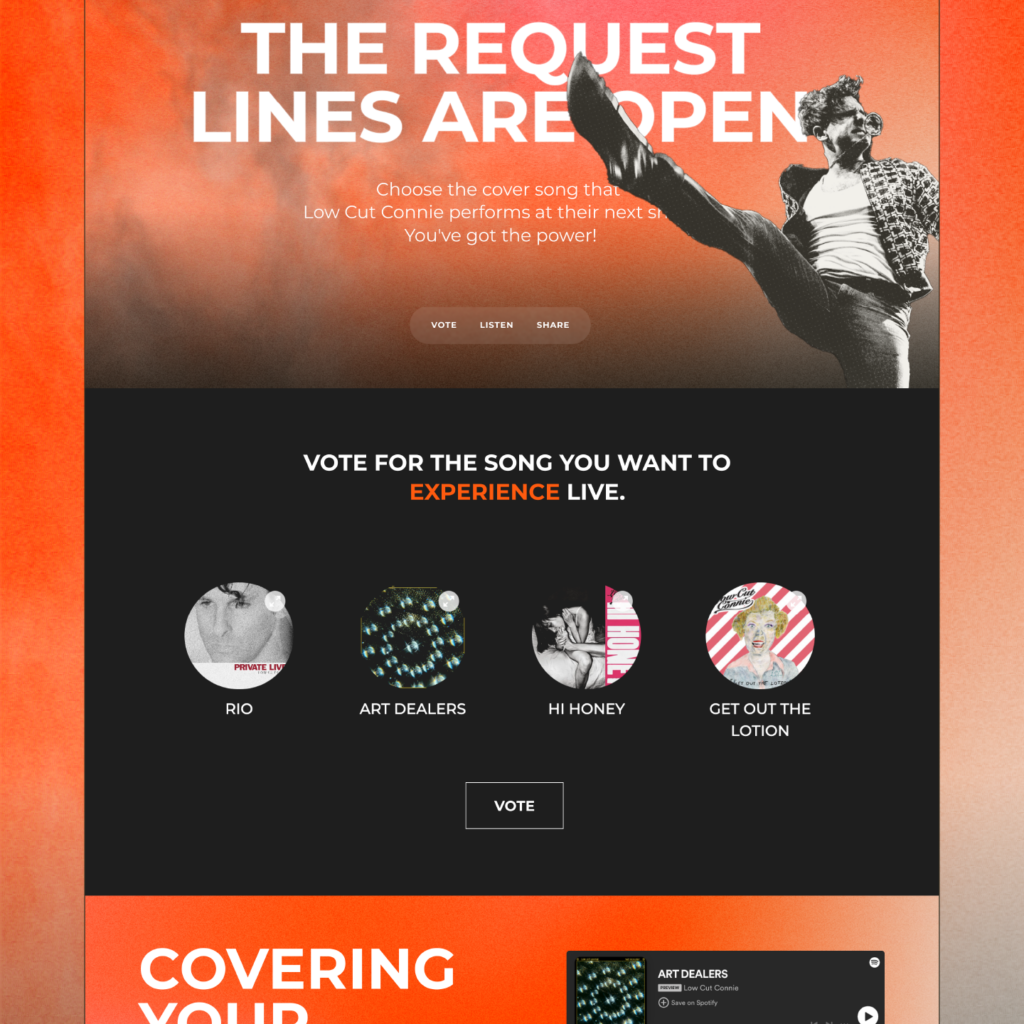
Since the audience was allowed to pick the songs, it resulted in some… interesting choices. Here’s the band performing “Part of Your World” from The Little Mermaid, much to Adam’s delight (warning: adult content throughout):
Says Adam:
“I absolutely loved working with my Digital Yalo pals on my project, the Connie Club, this past summer. It was a complex idea with a lot of different media elements, and Josh, Arnold and the Yalo team had great collaborative ideas right from the start. They sculpted an interactive platform for me that brought me closer to my fans and was exciting for everyone involved. I always love working with these guys and hope to continue doing so in the future.”
Music and branding will always go hand-in-hand, as people respond to music in a way that can help make brand work memorable. Marketers have known and used that information for… oh, since around the first television ad.
At Yalo, we know that it can be used for more than just a background track. We encourage our Tribe and clients to find their own “Soul Song,” the song that hits the emotional core of you or your brand.
Want to learn more about how music can help your brand? Just ask! Want to jam out to Low Cut Connie? No asking needed.
Insight | 08.23.23
If you were an 80’s kid, you may have missed the birth of Hip Hop in the 70’s because you were too young, but you didn’t miss out on the RISE of Hip Hop, and its Golden Era of the 80’s. The world was exposed to a mind-bending, rapidly-expanding genre of music and culture emerging from the urban core of New York City. New York City was already the mecca for basketball (Madison Square Garden and Rucker Park). But now there was a new soundtrack accompanying the sport of basketball and its athletes. Hip Hop was an amazing confluence of style, art, dance, music, storytelling, and lyricism. Put it in the blender and out came this vivid, vibrant, and powerful new culture. It was exciting. It was fresh (and yes it was ‘fresh’). It was ‘off-the-grid’, especially for the rest of America, especially suburban and rural America. The beats and scratching, the stories, the sneakers and track suites, the graffiti, and breakdancing gave kids like me in suburban Ohio a new canvas to imagine the world upon.

I remember hearing Hip Hop for the first time. It was 1984 and rap was exploding, I just didn’t know it yet. My friend and neighbor from across the street ran over to my house on a Saturday night and dragged me to his house. His stereo was on, and he had somehow picked up an FM station from Detroit that night. It was the Saturday Night Mix Party. They were playing a mash up of rap tunes from NYC. The sounds and voices we heard blew our minds, literally. This new fantastic thing was so far off the grid of what we usually heard and what we knew. We started recording it every Saturday night on his double tape deck, with 2 double-sided Maxell 90-minute tapes (that is 6 hours of music!), front to back, the entire show. We would listen to those tapes all week, wearing them out. We couldn’t get enough. We loved every beat, rap, rhyme, story we heard. It became a weekly ritual for a long time. We got indoctrinated to Kurtis Blow, Whodini, The Fat Boys, Whistle, The Sugarhill Gang, Grandmaster Flash and the Furious Five, and of course Run DMC that year in 1984. Somehow, I was able to convince my parents (I was 14 at the time) to let my buddy (he was 16) drive us to Cleveland for the Fresh Fest II. It was the congregation of the biggest rap acts at the time. It was to be my first concert ever. That night we witnessed Matronix, Kurtis Blow, The Fat Boys, Whodini, and Run DMC. I smelled weed for the first time. I had my first ever concert tee snatched right out of my hand. And I loved every second of it. I am sure we looked like 2 fish out of water (2 ‘burb kids – 1 white, 1 Asian) in a sea of black folks, but we rapped and danced right along with everyone else because we knew every lyric.

I jumped in with both feet into the Hip Hop culture. Boom box, check. Adidas sneakers, check. Track suits (and eventually Starter jackets), check. Gold chain, check (still wear it every day). Turntable, check. Stacks of 12 inch vinyl singles, check. Heavy bass, check. The only thing I didn’t buy was the Kangol hat because I couldn’t pull it off. We took weekly trips to the local record shop to get the latest records, hot off the streets of NYC. More records, more tapes. I am proud to say that I still have all of my original rap vinyls from the 80’s. Public Enemy’s eponymous first album, literally one of the greatest recordings of all time. Run DMC’s first 3 albums. Multiple Fat Boys’ 12 inches. The Beastie Boys first album. N.W.A’s first EP (before they even had a full album). To name a few, and keepers for sure.
Since the 70’s, Hip Hop has exploded. The music, the art, the fashion, and the culture; Hip Hop is now global. Over the 50 years of Hip Hop, the new artists have continued to push the boundaries every year, continuing to tell their stories, expanding the art form. We have many Hip Hop fans in our Yalo Tribe. One is even a lyricist himself (in his spare time). Here are a few of the Tribe’s favorites in no particular order:
Arrested Development, LL Cool J, Beastie Boys, 3rd Bass, Drake, Bone Thugs-N-Harmony (shout out to the 216!), Wu-Tang Clan, Fugees, Dr Dre, Lil Wayne, 2Chainz, Pharcyde, Ice-T, Ice Cube, Aesop Rock, Jurassic 5, Kendrick Lamar, Timbaland, Killer Mike, Childish Gambino, Royce da 5’9”, J Cole, TI, Mos Def, Planet Asia, Nipsy Hustle, 50 Cent, Snoop, Biggie, Tupac, EPMD, Jay-Z, OutKast, Eminem, Ludacris (the 404!), Missy Elliott, Eric B & Rakim, De La Soul and of course A Tribe Called Quest
My musical tastes have expanded over the years, but Hip Hop will always be my first true music love. Hip Hop launched me on a lifelong journey with music. It ignited a passion within me for music and for culture, of all genres. My playlists now include reggae, classic rock, punk, grunge, R&B, Prince (yes Prince is his own genre – that’s whole other blog to be written), Delta blues, alternative, metal, oldies, Americana, Yacht rock, and even certain types of country (think more Wilco). Hip Hop did that for me.
Most importantly, Hip Hop taught me to be my own person, to be an individual, to be myself, during the coming-of-age point in my life, in a town that only listed to Led Zeppelin. And for that, I owe a huge debt of gratitude to Hip Hip. If DJ Kool Herc and his sister didn’t throw that party on August 11th in 1973 (known as the official birthdate of Hip Hop), who knows how I would have turned out or what I would be? I thank you, DJ Kool Herc, for putting me on this path. Thank you for creating a whole new culture with just a couple of speakers, a turntable and some records.
What did Hip Hop teach you? We’re all ears and would love to hear. Drop us a line and let us know. While we’re at it, we’d love to help you with your brand as well. That’s what we do as our day job. See our creative services here.
Insight | 07.03.23
At the end of last year, I felt I was spending too much time on the iPad attempting to read but not reading because it was too easy to get distracted and not actually reading. So, at the start of this year, I made a personal ‘resolution’ to get back to, what I’ll call, real reading. And not just reading, but to read physical books, not on an iPad. And not just any book, but only books about music; genres, eras, musicians and bands. It has been one of the most rewarding and educating years of my life to delve into these artists lives and learn what made them tick, what made them unique, what made them STAND OUT. What was the reading list you ask? Here you go…in the order in which I read them:
As you can see, it has been quite a diverse list spanning reggae, rap, punk, rock, blues and soul. I have thoroughly enjoyed every page of every book. And there are more sitting on my office shelf to read. Purchasing these physical books will become keepsakes for me as well.
So, what did I learn during my journey so far this year? I have distilled a few key elements from the thousands of pages that all these artists shared that made them STAND OUT.
They all truly wanted to be the absolute best at being a musician. That meant seeking out guidance, learning from the best and continuously incorporating their learnings into their own craft. Take Robert Johnson for example. He would travel from town to town by hoboing on trains to visit other blues guitarists so he could practice with them, learn from them. Then, he would busk on the street corners during the day to master these learnings, while promoting his show at the juke joints later that night, usually playing multiple shows each night. He did this EVERY SINGLE day in order to master his craft. Learn, play, repeat. The result of his dedication made him the leading innovator of blues guitar and the founding father of Rock N’ Roll.
Failure was not an option, and their success was not an accident. Tireless work attitude. Play, play, play. Did you know what a perfectionist Kurt Cobain was? He was obsessive. Playing and playing, over and over until every song could be played to perfection every time. And think about Prince for a moment. The man loved composing music so much that he made his studio his home, making the conscience decision to move INTO his office, INTO his work. He couldn’t bare the thought of being away from the studio. Thus, there is an entire vault of his music that the world will eventually get to enjoy for many years to come.
In the face of adversity and being told that their dreams were just dreams, these artists had unshakeable resolve and belief in themselves. Take Queen for example. They were a few years into their musical career before they all finally gave up on their ‘day jobs’ or going to ‘university’ and went all in on their music career. Bar after bar, show after show. In some cases where less than 10 people would attend. Yet, they believed the music and the persona they were crafting was unique and would stand out. They stuck to writing their brand of music which was some of the most atypical music of its time and still stands as landmark music to this day.
None of them got it right when they first started. They were all in numerous bands and/or played various types of music. They all were willing to continue to learn and evolve until they became who they became. And see point #1, that helps too. Take the Beastie Boys for example. They were 3 white punk rock kids from NYC sneaking out of their parents’ house to listen to Black Flag way back in the day. Did you know that BEASTIE is an acronym that stands for Anarchy? Google it. So, its logical that they started out as a punk band, making scuzzy punk. How does that turn into a hip-hop rap career, in a genre where they stuck out like a sore thumb? Their willingness to evolve and adapt. Now, that also doesn’t mean they abandoned who they were. If you have followed the genre-bending Beastie Boys’ career, you would see they went from punk to hip-hip back to punk and back to hip-hip again. Truly a full lifecycle of success.
Whether it be how they crafted lyrics or how they composed their music, these artists all had bold visions that required true creativity to become who they became. This vision and creativity would also raise the game of everyone around them. Take Bob Marley for example. His insightful lyrics and powerful music captured the tenor of the times, energizing generations, races and continents of people and bringing them together. Bob’s lyrics are some of the best ever for their simplicity but packed with a powerful punch. Or if we look at Jeff Tweedy’s composition approach. He creates melodies first. Then he layers in vocal sounds that he calls ‘mumble tracks’, which are not words at all but just syllables. After he fuses the melodies with the mumbles, he then comes back to compose and lay down lyrics at the end. Truly creative and seriously mind blowing.
Put these thoughts in motion and your brand will take off.
Are you ready to stand out? Our brand-building strategies including content marketing, UX and graphic design can be of assistance. We have a full cadre of creative services to take businesses and brands higher. Let Yalo take you through a Soul Song exercise to have your brand hit the right note.
Please contact us today and let’s have a conversation.
Insight | 01.26.23

A lot has been written about the importance of music in branding. Whether it’s discovering a new favorite song in a commercial (“Pink Moon” in a VW ad), hearing a jingle that you sing over and over again for years despite never having set foot in the store (O-O-O-Oreilly’s!), or the sweeping score that adds even more melodrama to a heart wrenching spot (looking at you, multitude of P&G Olympics ads), music can make an otherwise forgettable visual last for years.
Why? People connect with music in a way that eclipses most other ways of communication. There’s a reason earworms exist but not eyeworms (gross)—even the most annoying or mundane jingle can sit in your brain just as easily as your favorite song*. This has been proven again and again far beyond the marketing world and long before recorded sound.
One of the earliest examples of music as a communication tool is opera. Beginning in the 1500s and (slowly) spreading across cultures and languages, opera managed storytelling through music in a way that didn’t require an understanding of Italian—only an understanding that a key change can indicate sadness or happiness, and that a whole story can be told without a single word. It was one of the first times that music was used to help bridge barriers between cultures—a phenomenon that continues to this day. Songs have since been used as rally cries, as protest vehicles, and ways to incite change and celebrate victories.

A recent study by Harvard University found that no matter what genre a song is in, or what language the participant spoke, the psychological purpose of a song (is it meant to make you happy? Sad? Pump you up? Is it a lullaby?) can easily be identified through tonality, tempo and instrumentation. All societies put words to songs. All societies dance. In an economy that’s becoming increasingly global, music might be our best chance to transcend differences.
Ok, back to the world of marketing. Like we said, music can make a huge impact on your brand. But did you know it can help even before a single ad is written, or concept is concepted, or strategy is…uh…strategized? Mention the word “music” and a tune probably starts playing in your head. Though this tune is different for everyone, it’s still made up of notes and rhythm that compose a universal language. How else could 100,000 people sing a song correctly and in tune from a band halfway around the world? In the world of marketing where “right” is never black and white, music provides an ideal medium to define a singular, unified direction.
At Yalo we use music to help companies set the emotional compass of their brand before the heavy lift of designs, mock-ups, or mood boards are executed. In fact, we put music at the core of everything we do. Our tribe is encouraged to use music as a concepting tool, as a way of drumming up inspiration (pun completely intended) or as a way to relax when things get a little hectic. We’re even given a concert budget to see live music.
Want to learn more about how music can help your brand? Just ask! And In case you’re wondering what our favorite song is these days, just press play below. (Though with a medium so dynamic and diverse as music, it changes all the time.)
*We’re not telling you to go out and write a jingle for your brand. Whether jingles actually drive sales is a whole other can of (ear)worms.
If you enjoyed these ideas and information, why not sign-up for Yalo’s bi-weekly email blasts directly below? We cover advertising & marketing strategy, trends and technologies, as well as popular music and culture, arts and sports. We give our readers food for thought, and stimulating content you can share with hipsters, geeks, CEOs and jocks alike. Come on, we know you want to!