

Insight | 01.17.25
Insight | 02.11.26

There was a time when music genres were sharply defined. Rock was rock, hip-hop hip-hop, country country, you get it. Of course, that time is long gone. The music industry has since discovered that crossing boundaries is what makes music exciting, and the most revered musicians in history are the ones that weren’t afraid to swerve out of their lane.
Hip-hop is a part of rock & roll because it comes from DJ culture. DJ culture is the embodiment of all genres and all recorded music, if you actually pay attention to it. -Chuck D
With music so goes culture. Just like your playlist is filled with artists who can’t be easily defined (not to mention jumps from genre to genre), culture no longer zeroes in on one thing. You stream a podcast, scroll a meme, watch a doc, then buy something based on nothing but “vibes.”
That’s how people live now. So why would we (I’m talking specifically about Yalo now) want to stay in one lane? Hence: we are all genres. It’s actually one of our core principles.
We’re creative and strategic. Curious and focused and unified by the idea that the best work doesn’t come from playing it safe, it comes from blending influences that weren’t “supposed” to work together. That’s what modern marketing demands.
Audiences are savvy and layered. Everyone has grown up being marketed to nonstop and are quick to recognize BS and pandering. To get their attention it’s important to offer something beyond a sales pitch. If you have a product that truly meets a need, great. Go with that. Tell the truth. If not, make them laugh or at least make them think. Be original, be it through product or marketing.
Every day is a miracle. You’ve got to sing for your supper. – David Byrne
For Yalo, being “all genres” means we don’t force brands into pre-packaged tones or trend-chasing templates. We listen first. Then we find the right mix of sound, style, and substance to connect with real people in real moments.
Some of the most iconic music ever made came from breaking rules: Hip-hop sampling rock, country borrowing from blues, pop stealing from everywhere (seriously, what does the category “pop” even mean anymore?)
Marketing works the same way. The strongest ideas happen when storytelling meets performance. When data mixes with intuition. When a brand’s heritage collides with where culture is heading next.
No one worries about genre when they’re dancing. – Skrillex
So what does this mean for your brand? Well, the world moves fast. Platforms change. Algorithms shift. Audiences evolve overnight. Agencies must be agile and willing to shift quickly in order to produce work that stands out.
For Yalo, “we are all genres” isn’t a vibe. It’s a strategy. It keeps our work flexible, relevant, and ready for whatever comes next. It allows us to move fast without losing soul, and scale ideas without sanding off their edge.
At the end of the day, being all genres doesn’t mean chaos. It means harmony. Different perspectives. Different disciplines. One shared goal: create work that cuts through, connects, and actually means something. And whether your brand needs to amplify its presence, refine its focus, or define a direction that hasn’t yet been explored, we’re ready to plug in and get noisy (or keep it acoustic, up to you!).
Insight | 01.14.26
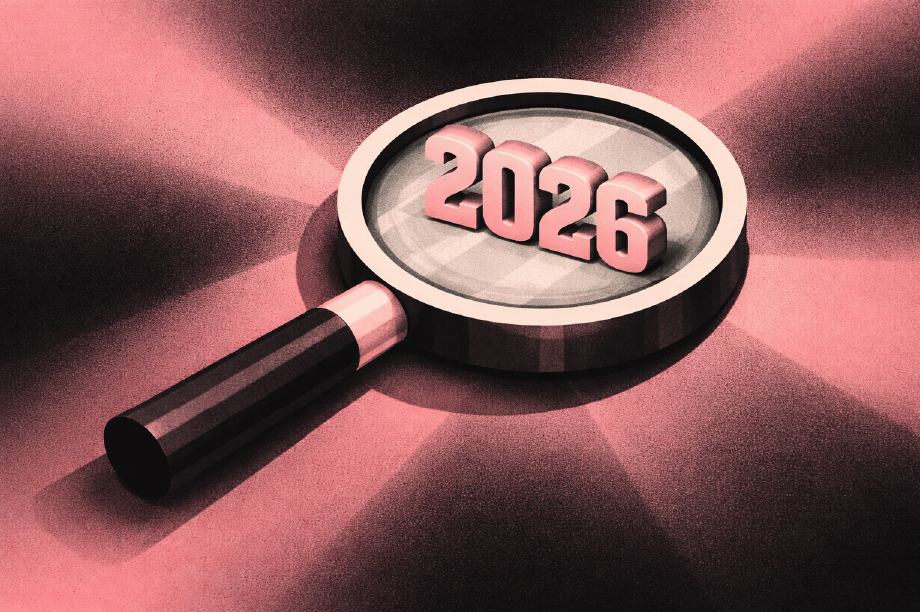
Throughout the modern marketing industry’s short, dynamic history, one question has always dominated: What’s next?
Marketers spend millions each year chasing the next big thing, gambling on what’s going to hit and following trendmakers wherever they lead. But following usually leads to a huge problem: chasing doesn’t work. By the time you catch up to culture, it has already moved on.
Brands that create culture instead of chasing it are the ones that win, but those cases are rare. You either need the budget to constantly experiment until something sticks (think: funny, intriguing daily video social content), or you need a lot of luck (think: Stanley Cup’s influencer strategy). Even the smartest, funniest, most award-winning work doesn’t guarantee a place in the conversation. After all, how many people outside of advertising know who won a Cannes Lion, or even what that is?
So maybe we should stop thinking about what’s next and start talking about what matters. All this chasing, creating, and throwing things at the wall in hopes that something sticks has created an incredibly crowded space, making the ability to stand out more important than ever. And rising above in the new year is going to require taking a higher road.
By now, you may have seen a recent Wall Street Journal piece on the role of storytelling in building brand loyalty. It wasn’t about the brand-anthemy, long-form copy kind of storytelling. It was about the kind of storytelling that gives brands context. The kind that tells the world who a company is, where it fits within the competitive set, why it exists at all, and, most importantly, why anyone should care. Because in a world where AI can write a brand anthem, a “big, bold rally cry” means nothing without the substance to back it up.
In a world flooded with content, the brands that win aren’t the loudest; they’re the clearest. They’re the ones that can articulate a point of view and sustain it across channels, leadership voices, customer experiences, and culture. Audiences are tired of being targeted, optimized, segmented, and “journeyed.” They’ve developed an almost supernatural ability to sniff out content that exists solely to sell them something.
Which brings us to AI. By 2026, AI won’t be the headline anymore, it’ll be background noise. As we’ve said before, AI is a tool, and it will remain one. It will quietly power personalization, media buying, forecasting, content testing, and a hundred other things we no longer think twice about.
The mistake brands are already making is assuming that because AI can generate, it can also connect. It can’t, at least not on its own. The brands that get it right will use AI the way great teams use great tools: to move faster, spot patterns sooner, and free up time for real thinking.
At the same time, trust is becoming the real currency of marketing. Privacy changes, disappearing cookies, and growing consumer awareness have shifted the power dynamic. There’s a reason word of mouth and unpaid recommendations remain the most powerful forms of advertising: they’re among the few sources people still trust (most of the time). By 2026, ethical data practices will be a brand signal. Companies that are clear about what they collect, why they collect it, and how it benefits the customer will stand apart in a market that still struggles with transparency.
Another shift that’s impossible to ignore is the move away from one-off influencer moments toward true creator ecosystems and brand communities. Audiences don’t want to be “influenced” anymore; they want to belong. They want to see brands show up consistently, collaborate authentically, and earn their place in culture rather than rent it for a campaign cycle. Once again, it comes back to honesty and meaning.
But how will people be reached? Short-form video, live formats, and immersive experiences aren’t trends so much as the default language of modern communication. The brands that perform best aren’t necessarily producing more content; they’re producing content that understands how people actually consume it: quickly, emotionally, and often on mute.
Behind the scenes, marketing teams are changing too. Roles are blurring, with strategy, creative, data, and technology increasingly overlapping. The most effective teams heading into 2026 are built for adaptability, not perfection. They test, learn, adjust, and move on. They value judgment as much as output, and curiosity as much as efficiency.
But can brands be authentic without authenticity becoming just another marketing buzzword? That’s a blog for another time. In the meantime, marketing is still about making people feel something and then do something. The tools have changed. The pressure has intensified. The margin for error has shrunk. But the core truth hasn’t moved an inch.
For Yalo, it’s not about chasing every new platform, format, or promise. It’s about using every tool at our disposal (technology, data, creativity, and yes, AI) to help brands show up honestly and with intention. We’ll keep focusing on work that earns attention instead of demanding it, builds trust instead of gaming the system, and creates real connection instead of noise. Because the brands that win next won’t be the loudest, they’ll be the ones that know who they are, why they exist, and how to show up meaningfully in people’s lives.
Insight | 03.17.25
“Authenticity” is a popular buzzword in marketing, but what does it really mean? While it may sound simple, how can you genuinely connect with your audience and stand out in today’s crowded digital landscape? Here are five key strategies to help your brand show up authentically and make a real impact.
Your brand voice is basically your personality in text form—like your digital clone, but with fewer awkward pauses. It’s how your audience spots you in the crowd and decides whether or not they want to get to know you more. So, it’s important to figure out what really defines you. Are you the witty, bold friend who always gets the last word? Or the compassionate, empowering cheerleader everyone secretly wants to be? Whatever it is, own it—loudly and proudly. Bonus tip: Pretend your brand is a person. Give them a name, a wardrobe, hopes, dreams, and a favorite coffee order. Suddenly, your brand is more than just a pretty face, but a real person your audience can connect to.
Authenticity starts with staying true to your voice, not mimicking what works for someone else. This often means using conversational language, talking to your audience like a friend or trusted confidant, and developing content that you actually care about. When you speak from a place of honesty and alignment, your audience will feel it—and trust you for it.
People want to know the story behind your brand. When you share more about your brand story you’re personalizing your organization and giving your audience a chance to relate to you on a personal level rather than just seeing your brand as an organization. In fact, Researchers at the London School of Business found that people retain just 5% to 10% of information when it’s presented as statistics alone. However, when the same information is shared through a story, retention jumps to 65% to 70%.
Start asking yourself some questions to help develop your story:
Share your journey, your triumphs, and even your challenges. Vulnerability fosters connection, and showing your humanity makes your brand relatable. By opening up about your mission and beliefs, you invite your audience into your world and give them a reason to root for you – and trust you.
Nothing feels more inauthentic than being bombarded with constant sales messages. While, of course, you want your audience to use your services, no one likes feeling they’re being used just for a sale. Remember: people engage with brands for inspiration, education, and entertainment—not just transactions. Focus on creating content that adds value. Share tips, tell stories, spark conversations, and show your personality. By shifting away from a sales-first mentality, you’ll build trust and loyalty that naturally leads to conversions.
There’s no better way to demonstrate authenticity than letting your audience speak for you. Your audience will truly trust your impact when they see others demonstrating how they’ve loved your service rather than just taking your word for it.
User-generated content (UGC) highlights real experiences from real people. Whether it’s reviews, photos, or social media shoutouts, UGC builds credibility and community. Celebrate your customers by featuring their stories and successes. This not only showcases your impact but also reinforces the idea that your brand is about people, not just products.
In a world of filters and curated feeds, imperfection is refreshing. This of course doesn’t mean you should be sloppy, it just means you can let your guard down a bit and not worry about being too polished. Your audience doesn’t expect you to be flawless—they expect you to be real.
Share the behind-the-scenes moments, the outtakes, and the imperfect realities of running your business. Use language that isn’t purely corporate and speak to people like… people! Polished content has its place, but authenticity thrives in the unfiltered. By embracing your imperfections, you give your audience permission to do the same.
Authenticity is about showing up as you are and trusting that your audience will connect with the real you. By developing your true brand voice, sharing your story, prioritizing meaningful content, showcasing your community, and embracing imperfection, you’ll create a brand that not only stands out but also builds relationships that last.
Insight | 03.05.25

Meet Chris Dawson: Yalo’s Hot Dog Man and Tech Innovator
Welcome to Digital Yalo’s monthly employee spotlight. This space is held to shine a light on the talented thinkers and makers behind the scenes who make Digital Yalo the award-winning agency it is.
Our team boasts a diverse group of talented, smart, and dynamic professionals. And each spotlight will showcase and celebrate their unique contributions and impressive work.
So, without further ado, let’s meet this month’s star and discover the stories, skills, and obsessions that make Digital Yalo the hub of innovative thinking that it is.
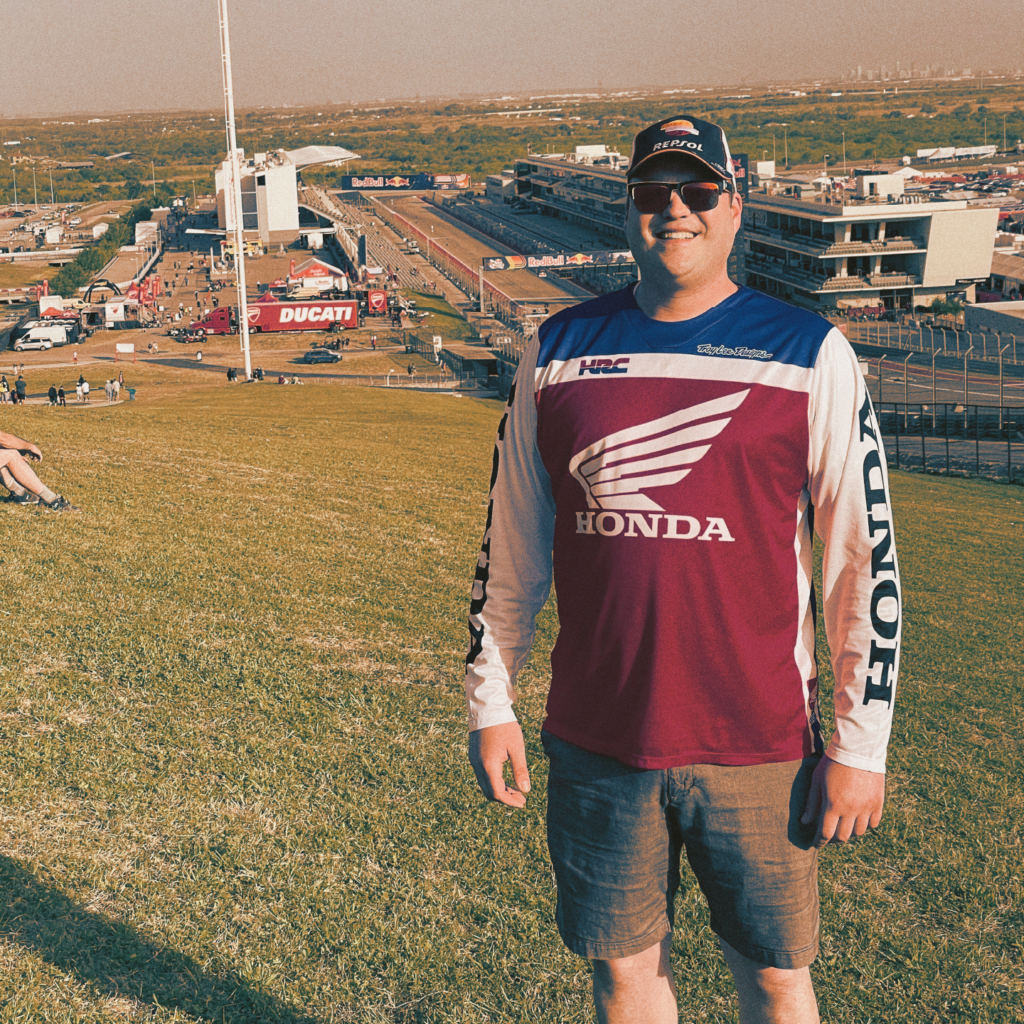
Today, we’re excited to introduce Chris Dawson, a Senior Developer who’s been with Yalo for what feels like forever—and for good reason. Chris’s impact on the tribe and our clients is undeniable, and his expertise, leadership, and unique personality are key to his success.
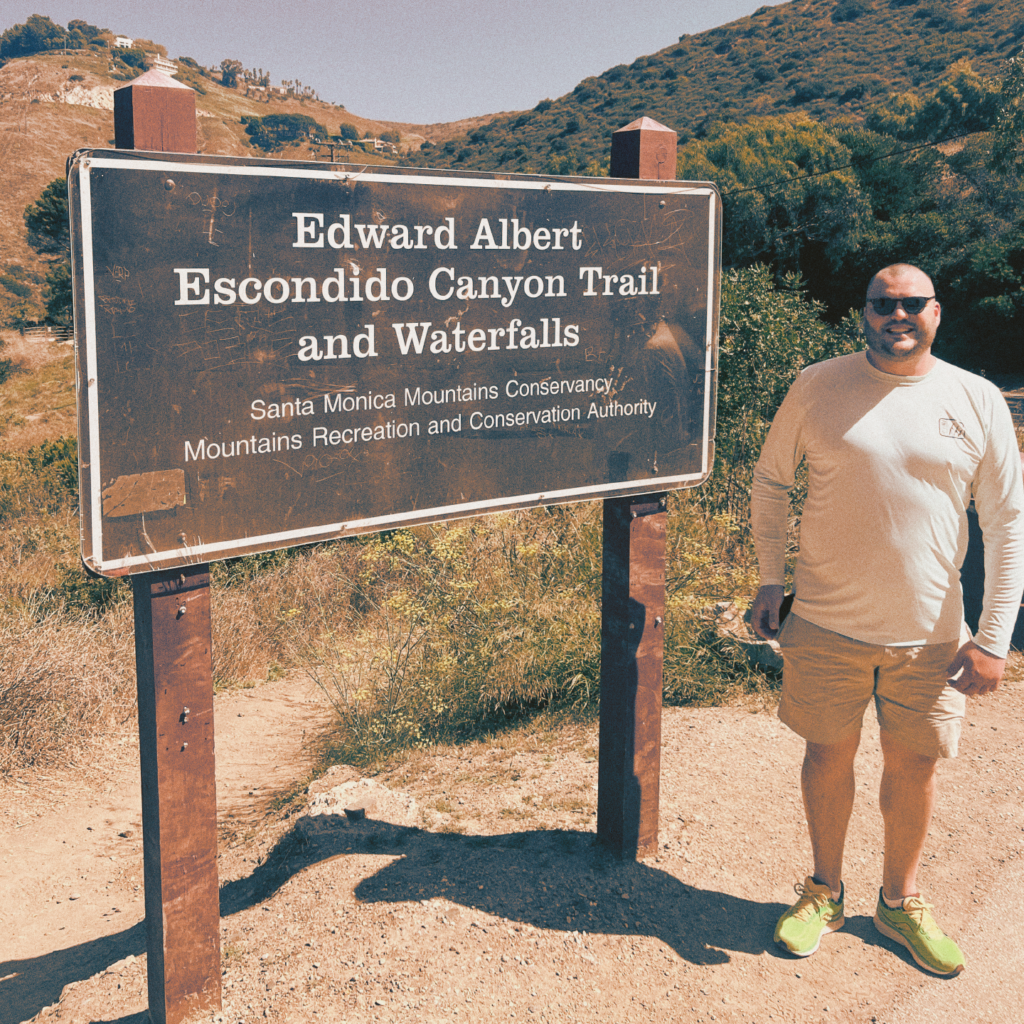
Chris isn’t just a developer—he’s the driving force behind the success of the Primrose project, working closely with a contractor, Andrew, to turn the project around. Together, they optimized site speeds and tackled all other tasks necessary to bring Primrose to a great place. Thanks to their leadership and technical expertise, Primrose has become a strong success, with the client continuing to return for more. Chris’s problem-solving skills and ability to think outside the box have made him a standout figure within Yalo and with clients alike.
Chris’s contributions go beyond code. As a mentor, he’s helped shape the next generation of developers at Yalo. Whether he’s guiding interns or supporting junior developers, Chris has a knack for making complex concepts simple while also pushing his team to grow and improve. His leadership isn’t just about teaching; it’s about empowering those around him to become better versions of themselves.
Outside of work, Chris enjoys a mix of unique and entertaining interests. From baking and cooking to hitting the golf course or spending time at the range, Chris knows how to make the most of his time away from the computer. (He’s also known for asking the age-old question: Is a hot dog a sandwich? Feel free to debate that one with him!)
Living in North Carolina, Chris balances his love for tech with his love for the outdoors, which probably helps keep him sharp for the next big project.
Chris Dawson is more than just a Senior Developer at Yalo—he’s a mentor, a problem solver, and the backbone of many of our most successful projects. His leadership and innovative thinking keep Yalo at the cutting edge, and we’re lucky to have him on the team. Here’s to Chris and the amazing work he continues to do!

Insight | 07.25.24

Consumers are bombarded with an overwhelming amount of information daily, capturing and retaining their attention has become increasingly challenging. Traditional advertising methods, while still effective, are often not enough to make a lasting impression. This is where brand storytelling comes into play. By crafting compelling brand narratives, you can forge deep connections with your audience, fostering loyalty and engagement that transcends mere transactions.
Why Brand Storytelling Matters
The magic of stories have been a fundamental part of human communication for millennia. They entertain, educate, and inspire us. When it comes to brands, storytelling can do the same. A well-crafted narrative can:
Elements of a Compelling Brand Narrative
Crafting a compelling brand narrative involves several key elements:
How to Craft Your Brand Story
Examples of Successful Brand Storytelling
In the era of information overload, brand storytelling is a powerful tool that can help you cut through the noise and build meaningful connections with your audience. By crafting authentic, engaging, and emotionally resonant narratives, you can differentiate your brand, build loyalty, and inspire action. Remember, every brand has a story worth telling— Let Yalo help share yours.
Insight | 01.17.24

In the dynamic and competitive landscape of the business world, the importance of a well-crafted brand strategy cannot be overstated. A brand is not just a logo or a product; it’s an experience, a promise, and a reflection of your company’s values. Today, we’ll delve into the intricacies of brand strategy, exploring the key elements that contribute to a successful and compelling brand.
In the ever-evolving business landscape, a well-crafted brand strategy is the compass that guides your journey to success. By understanding your audience, defining your unique value proposition, maintaining consistency, weaving a compelling narrative, embracing digital channels, and building trust, you can create a brand that not only stands out but stands the test of time. Let Yalo lead the effort into crafting a brand strategy that resonates – your brand’s future success depends on it.
Insight | 10.24.23

Gather ’round, fearless marketers, for we’re about to embark on a spine-tingling journey into the dark and mysterious world of marketing risks. In the spirit of the season, we’re diving headfirst into the heart of the unknown, where rewards are bountiful and the path is shrouded in uncertainty. We will show you that in marketing, as in life, it’s essential to embrace the spooky, step out of your comfort zone, and confront the mysteries of the marketing world. After all, fortune favors the bold.
The Ghostly Gamble of Innovation
When it comes to marketing, innovation is the key to unlocking the treasure chest of success. Be it a new approach, a unique campaign, or an out-of-the-box idea, it often feels like you’re tiptoeing through a haunted mansion – filled with eerie surprises at every turn. But remember, it’s those who dare to innovate that usually reap the most lucrative rewards. So, arm yourself with creativity, venture into the unknown, and let your marketing campaigns haunt your competition’s dreams.
Unearth the Secrets of Spooky Social Media
Social media is the labyrinth of the digital world, filled with strange algorithms, unpredictable trends, and spooky engagement metrics. Don’t be afraid to step into the darkness. Experiment with new platforms, quirky hashtags, and eerie memes. Sometimes, it’s the riskiest posts that go viral, turning your brand into an internet sensation.
The Cursed Content Conundrum
The creation of content can often feel like a cursed endeavor. But it’s in the eerie depths of creativity that the most compelling stories are born. Don’t shy away from writing engaging, thrilling, or even bizarre content that sets your brand apart from the rest. Sometimes, embracing the unknown and creating content that pushes boundaries can elevate your marketing efforts to new heights.
Dance with Data Demons
Data analytics might seem like a cryptic spell conjured by wizards, but it’s the most powerful tool you have to navigate the marketing underworld. Risk-taking in marketing means delving deep into the shadows of data analysis, making data-driven decisions that may spook your competition. Trust in the power of insights, and don’t be afraid to alter your strategies based on what the numbers reveal.
The Haunting Art of Storytelling
Storytelling is the dark art that can send shivers down your audience’s spine. When done right, it connects people to your brand on a visceral level. Share stories that captivate and intrigue, tales that draw people into your brand’s world. The risks you take in crafting your brand’s narrative can lead to unforgettable connections and loyalty.
So, fellow marketers, as you stand on the precipice of uncertainty, remember that the rewards are there, waiting to be claimed by those who dare to tread where others fear to go. Don’t be afraid of the dark – embrace it, and let your marketing shine through like a beacon in the night.
Marketing in the shadows is where the real magic happens. Happy haunting, fearless marketers!