


Insight | 01.17.25
Insight | 11.26.25

Marketers love to talk about acquisition. It’s flashy, it’s measurable, it looks good on a dashboard. But the truth? Long-term growth comes from loyalty. And loyalty doesn’t happen by accident. It’s earned, step by step. Too often, brands either rush the process or skip it entirely, then wonder why customers ghost them after one purchase.
Here’s how to avoid the one-and-done trap and build loyalty that actually lasts:
If you want someone’s information, give them a reason. We have conversations with clients about this all the time. “We don’t want them to go to Amazon, we want them to buy from us, so we should ask for their email address and phone number, and blood type, and…” Yeah, sure thing. You want someone’s information? Give them value. If it’s an e-commerce business, a purchase incentive is always an obvious one for a first-timer. Or a free gift with purchase. If it’s an item or service with a longer lead time, help them pre-solve their problems.
Give them rich content, video tutorials, downloadable step-by-step guides, etc. Give them so much valuable information that they’re practically salivating to fill out your lead form. Give real value.
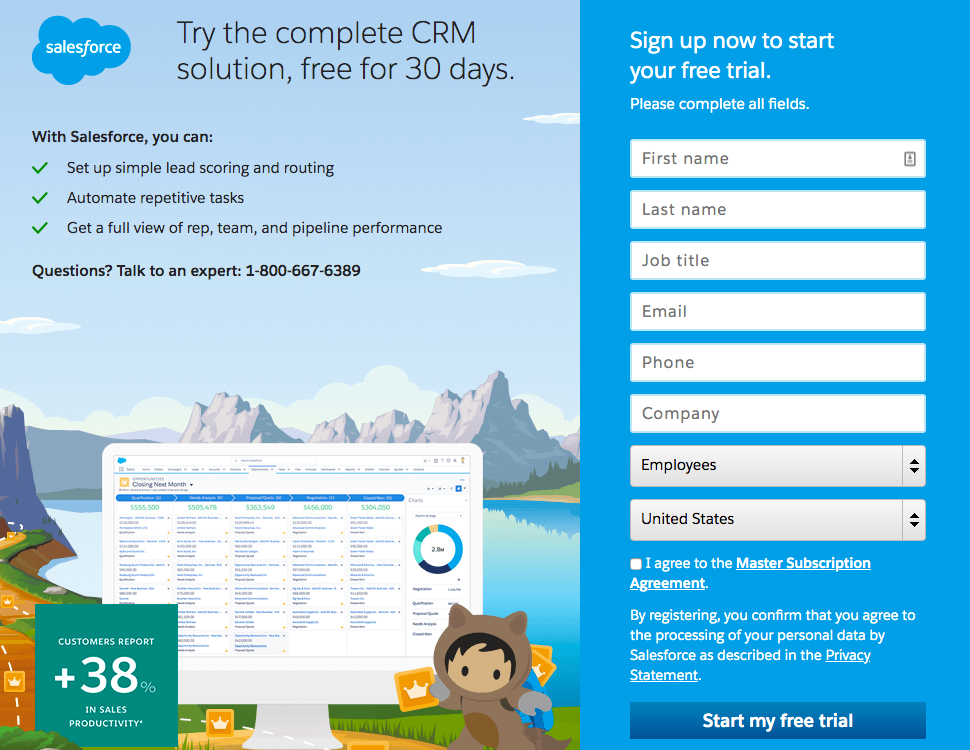
Salesforce has a great, well-known product and a great reason to fill out their lead form
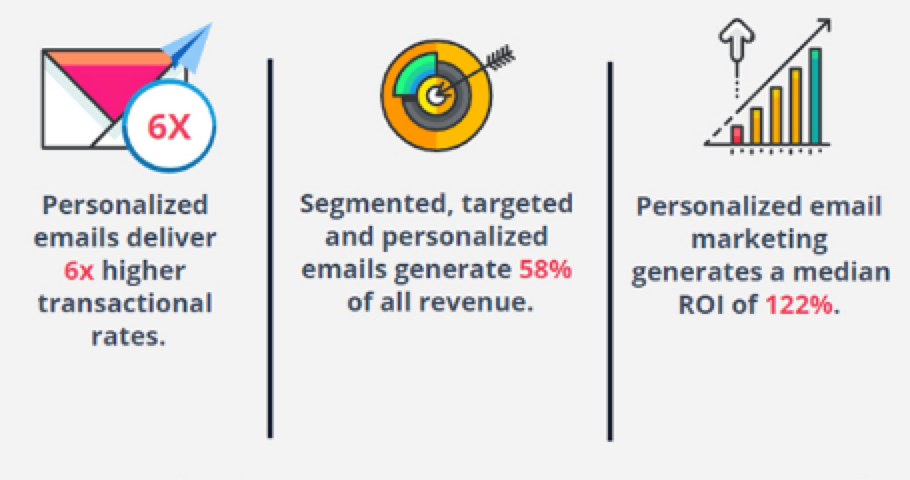
Personalization doesn’t mean blasting every buyer with the same recycled offer. If someone’s already shown you what they’re interested in, reflect that in your messaging. Respect the signals your customers give you, and use them to create experiences that feel tailored, not tone-deaf.
Let’s say you buy a men’s t-shirt from an e-commerce brand that sells both men’s and women’s apparel. You don’t want email promotions for women’s clothing—you’ve already shown you’re shopping in the men’s category. Easy enough. Now imagine you fill out a lead form to learn about a complicated piece of software to automate processes for your business. That shouldn’t trigger an immediate sales pitch. Instead, it should be an opportunity for you to receive rich content that answers common objections, shares case studies, or shows how to use the tool if you sign up for a free trial. You want to feel like the brand understands you, and you want experiences that prove it. The more granular the personalization around your specific behaviors and interests, the better.
No one wants to sit on hold, send an email into a void, or fight through a clunky return process. They want instant access through chat features or bots, DMs or call services that save your spot in line, then call you. They want easy returns and they don’t want to have to wait for their purchase to be credited either.” Make everything easy. It’s easy to hate on Amazon, but everything we just mentioned, they’ve mastered. You can jump on live chat with a real person in one or two minutes. You can get digital shipping labels for returns, and sometimes they don’t even bother with having you return the item. They have exhaustive FAQs. There is rarely a question you can’t get answered or a problem you can’t get resolved in under 5 minutes with them.
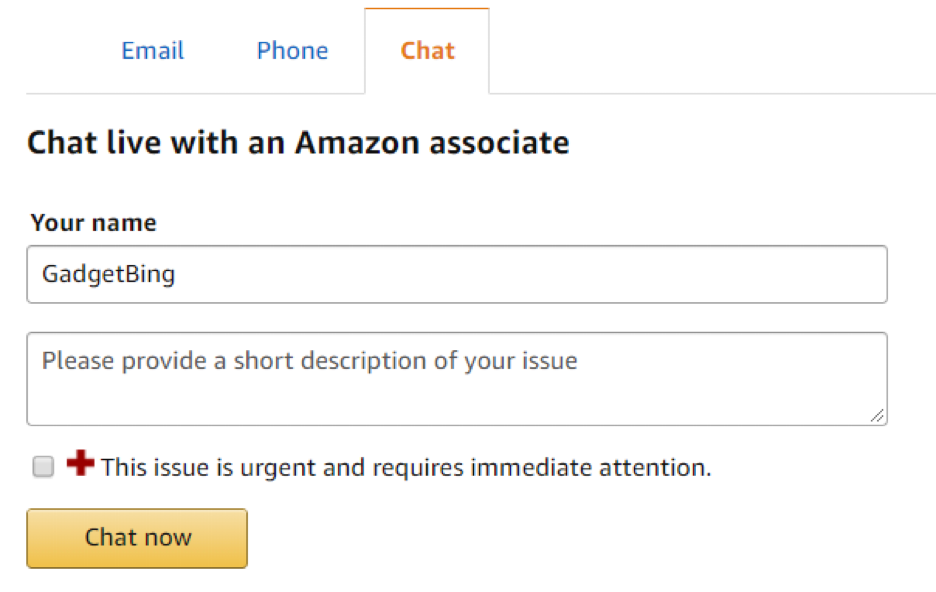
You know why Amazon is kicking everyone’s ass? Because they do things customers like. Convenience isn’t “nice to have,” it’s table stakes. Live chat, clear FAQs, instant shipping updates, seamless returns—that’s the standard now.
Buying is only the beginning. Think about the amount of times you’ve needed an answer quickly and have relied on helpful digital content to solve your problem. We’d guess it’s been more than a dozen times month over month – it definitely is for us. Tutorials, quick tips, videos, or community forums help customers feel confident in what they’ve chosen.
Many skincare brands are great at this, particularly since so many people feel insecure and unsure if they’re doing it right. Don’t allow them to feel that way if you can do something about it.
One of our clients, Dash, has seasonings that are salt-free, which is great for people who want to watch their sodium for their heart health. In news that won’t surprise you, even eager customers can get bored of just talking about the heart. So we’ve worked with them to make sure their web content speaks to the whole person – packing meals with flavor, having the power to adjust salt in their meals, finding their own personal flavor, and family-focused recipes.

Share content that speaks to your customers’ broader interests and needs. Surprise them with stories, insights, and reasons to stay engaged beyond the transaction. Boredom is the enemy of loyalty. The more intimately you connect with your customer, the more likely they are to find reasons to stick around.
Include personalized notes in your shipping packages. Call a customer and thank them for their business. Give them early access to new product launches, or exclusive content. Ask them for their opinion or to join a focus group about new product ideas. Anyone can do these things, and most of them don’t cost a dime. But few will actually do the work. Be one of them.
This list certainly isn’t exhaustive. Loyalty programs, referral perks, and exclusive communities all add to the mix. But the point is simple: if you treat customers like one-time transactions, that’s exactly what they’ll be. If you treat them like valued partners, they’ll keep coming back.
Insight | 12.04.24

Email marketing remains one of the most effective ways to engage with your audience, nurture leads, and drive conversions. In fact, when it comes to driving sales, email outperforms social media posts by 13% and social media ads by 11%.
With that said, delivering best-in-class email marketing is as much about what a brand should do as what it shouldn’t. Here are seven critical mistakes to avoid in your next email campaign so you can see better engagement and connect to your audience.
Gone are the days when a generic “Dear Customer” is enough to satisfy an email subscriber. A better strategy is to tailor messaging to a specific audience so they have a built-in connection to your content. Personalized emails average an impressive open rate 29% higher and an outstanding click-through rate 41% higher than emails that aren’t personalized.
Whether it’s informative content, a special offer, or a useful tip, the value of each email should be clear and compelling. If your emails consistently add value, your audience will look forward to receiving them.
Every email should have a clear purpose. This ‘why’ should guide your content creation and provide a clear takeaway for your audience. Without a clear purpose, your emails might feel directionless, or have your users wondering why they’re getting the email in the first place.
More than half of all emails are opened on mobile devices. If your emails aren’t optimized for mobile, you’re likely failing to connect with a significant portion of your audience. Mobile optimization ensures your emails look great and function well on any device.
A/B testing allows you to compare two versions of an email to see which one performs better. This data-driven approach can help you refine your strategy and improve your results over time.
Emails that rely solely on text can be dull and unengaging—or just have too much to read all at once. Incorporating visual elements such as images, videos, infographics, and GIFs can significantly enhance the appeal and effectiveness of your emails. Visual content can break up long blocks of text, illustrate your points more vividly, and capture your audience’s attention more effectively.
A clean email list is crucial for maintaining high deliverability rates and ensuring your emails reach intended recipients. Poor list hygiene can lead to high bounce rates, spam complaints, and a damaged sender reputation.
By keeping these tips in mind and avoiding these seven common mistakes—neglecting personalization, not adding value, lacking a clear purpose, ignoring mobile optimization, skipping A/B testing, overlooking metrics, and failing to maintain list hygiene—you can enhance your email marketing efforts and achieve better results.
Email marketing has a high payoff and demands strategic attention. Continually refining strategies based on performance data and industry best practices are critical to stay ahead of the curve. With the right approach, email campaigns are a powerful tool for driving engagement, nurturing leads, and boosting conversions.
Need help with your email marketing campaigns? Yalo can help.
Insight | 04.10.24
In today's rapidly evolving business landscape, the importance of data cannot be overstated.

In today’s rapidly evolving business landscape, the importance of data cannot be overstated. Every decision, every strategy, and every move a company makes can be enhanced and optimized through the power of analytics. It’s no longer enough to rely on gut instinct or past experiences; businesses that thrive in the digital age harness the potential of data analytics to gain invaluable insights and drive success. Let’s explore the myriad of benefits of utilizing analytics for business growth and how it can be a game-changer for companies.
Empowering Informed Decision-Making
In the dynamic realm of marketing, decisions made in the dark can lead to missed opportunities and wasted resources. Marketing analytics shines a light on the path forward, enabling businesses to make informed decisions backed by solid data. From identifying the most lucrative customer segments to optimizing advertising spend, every move is strategically guided by insights gleaned from analytics.
Precision Targeting and Personalization
Gone are the days of generic, one-size-fits-all marketing campaigns. Today’s consumers crave personalized experiences tailored to their preferences and needs. Marketing analytics equips businesses with the tools to deliver just that. By segmenting audiences based on demographics, behavior, and psychographics, marketers can craft hyper-targeted campaigns that resonate with individual consumers on a deeper level.
Maximizing ROI and Efficiency
In the world of business, every dollar spent must yield a return. Marketing analytics serves as a compass, guiding investments towards the most lucrative channels and strategies. By tracking key performance indicators (KPIs) such as conversion rates, customer acquisition costs, and lifetime value, businesses can optimize their marketing efforts for maximum ROI. Furthermore, analytics highlights areas of inefficiency, allowing organizations to streamline processes and allocate resources more effectively.
Staying Ahead of the Competition
In today’s hyper-competitive landscape, staying ahead of the curve is imperative for business survival. Marketing analytics provides the competitive edge needed to outmaneuver rivals and capture market share. By monitoring competitor activities, analyzing industry trends, and identifying emerging opportunities, businesses can proactively adapt their strategies to maintain a competitive advantage.
Driving Continuous Improvement
The journey towards success is a never-ending pursuit of improvement and innovation. Marketing analytics serves as a compass, guiding investments towards the most lucrative channels and strategies. By tracking key performance indicators (KPIs) such as conversion rates, customer acquisition costs, and lifetime value, businesses can optimize their marketing efforts for maximum ROI. Furthermore, analytics highlights areas of inefficiency, allowing organizations to streamline processes and allocate resources more effectively.
Embracing the Future of Marketing
As technology continues to evolve and consumer expectations evolve, the role of marketing analytics will only become more pivotal. By harnessing the power of data-driven insights, businesses can unlock a world of possibilities and propel themselves towards unparalleled success. From precision targeting to continuous improvement, marketing analytics is the cornerstone of modern marketing strategy, empowering businesses to thrive in an ever-changing landscape.
Analytics is no longer a nice-to-have; it’s a strategic imperative for businesses looking to thrive in today’s data-driven world. By harnessing the power of analytics, businesses can make smarter decisions, improve efficiency, enhance customer experiences, gain a competitive advantage, mitigate risks, and drive revenue growth. In a world where data is king, analytics is the key to unlocking untapped potential and charting a course towards business success. Let Yalo help you create the right metrics to propel your business to the next level.
Insight | 12.27.23

In the dynamic world of marketing, staying ahead of the curve is not just a competitive advantage—it’s a necessity. As we step into 2024, the marketing landscape is set to evolve yet again, presenting exciting opportunities for businesses to thrive in an ever-changing digital ecosystem. Today we’ll delve into the marketing trends that will shape the industry in 2024 and provide invaluable insights for marketers aiming to stay at the forefront of innovation.
As we navigate the complexities of the marketing landscape in 2024, embracing these emerging trends will be crucial for staying competitive and driving meaningful engagement with consumers. By harnessing the power of AI-driven personalization, voice search optimization, augmented reality experiences, purpose-driven marketing, and authentic influencer partnerships, brands can forge stronger connections, foster loyalty, and achieve sustainable growth in the years to come.
So, gear up for an exciting year ahead and let Yalo help you embrace these trends to propel your marketing efforts to new heights in 2024!