


Insight | 01.17.25
Insight | 05.08.26

By David Berry
Marketers humans love certainty. But reality rarely cooperates.
And that’s true in business. Markets change. Platforms change. Costs change. Sometimes the strategy you believed in on Monday looks shaky by Thursday.
That’s why our best media plans aren’t rigid documents. They’re a guide, but a guide that always ties directly to business outcomes, adapts as data rolls in, and scales when the proof is present.
Here’s how we build them.
Every media plan starts with a simple question: what outcome actually matters to the business?
Sometimes that’s straightforward. Leads. Sales. Bookings. App installs. Revenue.
Other times the answer sits higher in the funnel. Brand awareness. Consideration. Maybe education. In those situations, the role of media isn’t to close the sale directly, but to create the conditions that make the sale possible later.
Either way, the principle is the same. Every objective needs a measurable signal attached to it.
If the goal is awareness, we define the signals that prove awareness is growing.
If the goal is consideration, we define the signals that prove it’s deepening.
If the goal is conversion, we track the metrics that track to revenue.
A media plan without defined success metrics isn’t a strategy, it’s a guess.
One of the quiet traps in our work is platform bias.
Many agencies default to the same playbook every time: Meta and Google for digital.
Programmatic display for reach. TV for awareness.
But media channels are tools, not strategies.
The real starting point is understanding the audience: who they are, what they care about, how they spend their time, and where messages might have disproportionate impact.
A homeowner considering a major renovation behaves differently than a college student choosing a food delivery app. A grocery category manager evaluating new suppliers lives in a completely different information ecosystem than a consumer shopping for patio furniture.
Different behaviors create different media opportunities.
Sometimes the answer really is Meta or Google (there’s a reason they’re so massive; their platforms work). But, other times the highest-impact placements live somewhere less obvious: a niche publication, creator partnerships, or situational moments where the message carries more weight. Or Facebook mom groups (seriously, they’re incredible).
It’s simple thinking. But it requires discipline.
The platform should serve the audience strategy. Not the other way around.
No matter how thoughtful the strategy is, the first version of a media plan is a hypothesis.
We have research. We have benchmarks. We have experience. But until campaigns are live and real data starts coming in, every assumption still needs to prove its worth.
That’s why flexibility is built into the structure from the beginning.
Budgets can shift between audiences.
Creative approaches can evolve.
Channels can scale up or scale down depending on performance.
If the data confirms the strategy, we lean in and expand the investment.
If the data tells us something different, we pivot.
The goal isn’t to defend the original plan. The goal is to produce the best possible business outcome.
Being wrong is okay — as long as you pivot quickly.
When a media plan is tied to real outcomes, grounded in audience behavior, and designed to adapt to live performance data, it becomes more than a repeatable process.
It becomes a growth engine.
Good signals get amplified.
Weak signals get corrected.
And the strategy improves with every cycle of learning.
That’s how media our plans flex.
And that’s how we scale.
Insight | 03.13.26

Let’s start with a simple truth. The way people find information online has changed alot.
In 2026, many people don’t start with a search engine. They open tools like ChatGPT, Google Gemini, Perplexity AI, or Claude and ask a question.
“What’s the best CRM for a small team?”
“What’s the difference between assisted living and skilled nursing?”
“What running shoes are best for wide feet?”
Instead of sending users to ten different websites, these tools read across the internet and generate a direct answer. For brands, that shift changes the rules.
If your company, expertise, or products are not showing up in those AI responses, you are missing a growing share of the conversation. That’s what we call AI visibility. And right now, it matters more than ever.
AI visibility is how often your brand appears in answers generated by AI assistants.
That appearance can take a few forms:
In other words, AI visibility determines whether your brand shows up when people ask AI tools about your category. And increasingly, that is where research begins.
The rise of AI assistants is changing how people discover and evaluate businesses. Here are three reasons brands are paying attention:
Instead of clicking through pages of results, users are asking AI tools for explanations, recommendations, and comparisons. These tools summarize information and provide a clear response. For many users, that answer is enough to move forward with a decision.
When an AI assistant consistently mentions certain companies, those brands gain credibility quicky. If someone asks an AI tool for the best options in a category and your company appears in the response, you have already earned attention before the user ever reaches your website.
AI answers often give users what they need without requiring them to open multiple websites.This shift toward zero-click discovery means brands cannot rely on rankings alone. They need to make sure their expertise is visible directly inside AI responses.
The good news is that improving AI visibility does not require starting from scratch. Many of the same principles that drive strong content and search performance still apply. They just need to be adapted for the way AI systems gather and summarize information.
AI assistants prioritize content that provides straightforward answers.
That means creating resources such as:
The clearer the answer, the easier it is for AI systems to reference it.
AI tools tend to reference websites that demonstrate consistent expertise.
Brands that publish thoughtful, helpful content about their industry are far more likely to be cited than sites that only publish promotional material. Think educational resources, glossaries, guides, and insights that genuinely help users understand a topic.
Formatting matters more than many brands realize. Content that performs well in AI answers often includes:
In other words, content that is easy for humans to read is also easier for AI to interpret.
Traditional SEO still plays a major role. Fast websites, clear navigation, strong internal linking, and authoritative backlinks all help search engines and AI systems understand your content and trust it as a source. AI visibility builds on top of these foundations.
This is exactly the kind of shift we help our clients navigate with our proprietary AI methodology, AMPLIFI.
Strategy, creativity, and storytelling matter just as much as technology. And therefore, we believe the future of AI must still feel human and authentic, because humans engage with authority and authenticity.
Our team applies AMPLIFI for brands to ensure their digital presence is built for the way people use AI to search today. That includes:
Sometimes that means a website overhaul. Other times, it’s a content strategy designed around the real questions customers ask every day.
The goal is simple. When someone asks an AI tool about your industry, your brand should show up in the answer. AMPLIFI accelerates our clients’ progress toward their goals.
Traditional SEO is still important, it just is not the whole picture anymore. Today, brands need to think about visibility across multiple discovery channels, including search engines, AI assistants, social platforms, and voice interfaces.
The companies pulling ahead are the ones making sure their expertise is easy to find, easy to understand, and easy for AI systems to reference.
Because when someone asks AI a question in your category, your brand should be part of the answer.
Insight | 11.26.25

Marketers love to talk about acquisition. It’s flashy, it’s measurable, it looks good on a dashboard. But the truth? Long-term growth comes from loyalty. And loyalty doesn’t happen by accident. It’s earned, step by step. Too often, brands either rush the process or skip it entirely, then wonder why customers ghost them after one purchase.
Here’s how to avoid the one-and-done trap and build loyalty that actually lasts:
If you want someone’s information, give them a reason. We have conversations with clients about this all the time. “We don’t want them to go to Amazon, we want them to buy from us, so we should ask for their email address and phone number, and blood type, and…” Yeah, sure thing. You want someone’s information? Give them value. If it’s an e-commerce business, a purchase incentive is always an obvious one for a first-timer. Or a free gift with purchase. If it’s an item or service with a longer lead time, help them pre-solve their problems.
Give them rich content, video tutorials, downloadable step-by-step guides, etc. Give them so much valuable information that they’re practically salivating to fill out your lead form. Give real value.
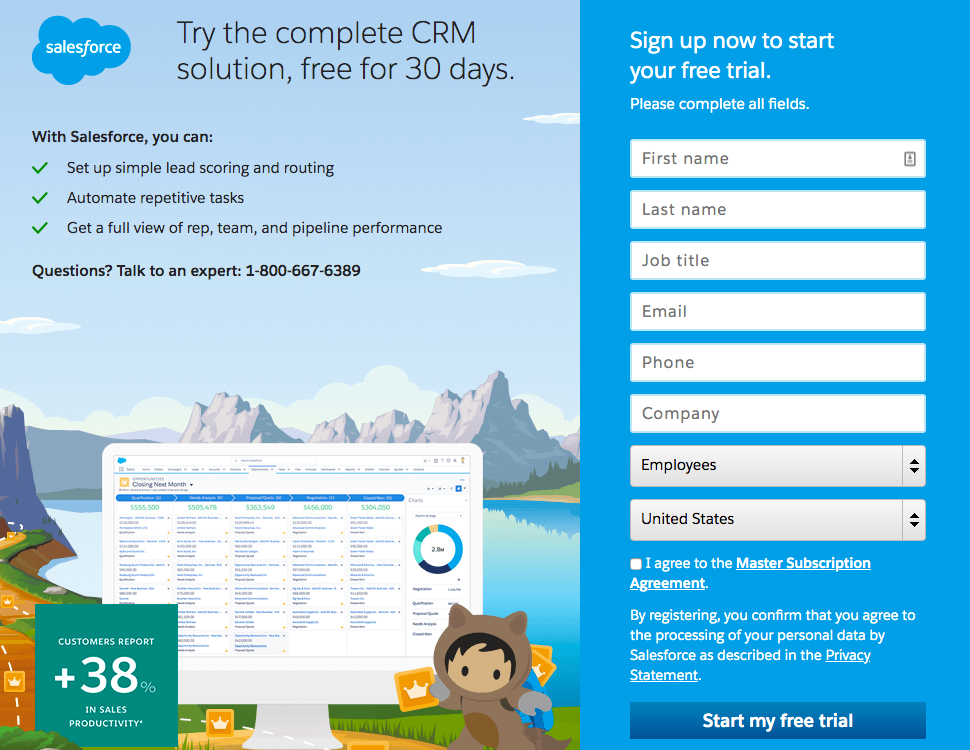
Salesforce has a great, well-known product and a great reason to fill out their lead form
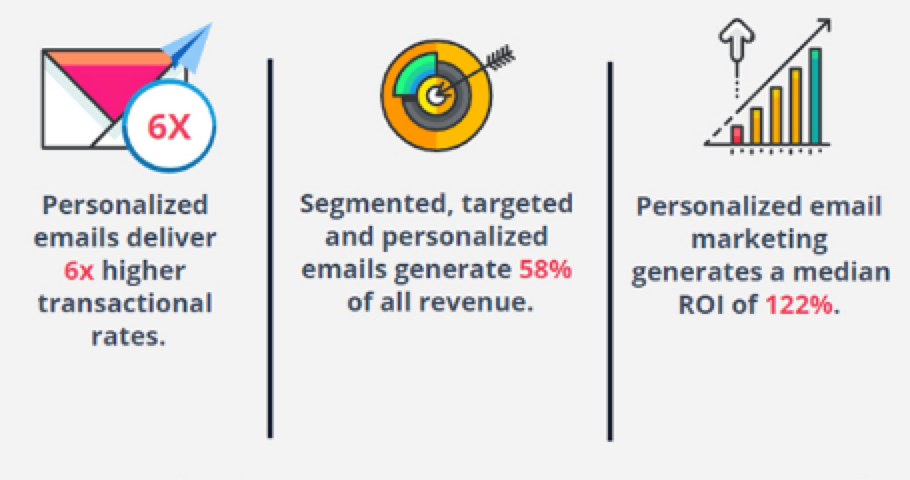
Personalization doesn’t mean blasting every buyer with the same recycled offer. If someone’s already shown you what they’re interested in, reflect that in your messaging. Respect the signals your customers give you, and use them to create experiences that feel tailored, not tone-deaf.
Let’s say you buy a men’s t-shirt from an e-commerce brand that sells both men’s and women’s apparel. You don’t want email promotions for women’s clothing—you’ve already shown you’re shopping in the men’s category. Easy enough. Now imagine you fill out a lead form to learn about a complicated piece of software to automate processes for your business. That shouldn’t trigger an immediate sales pitch. Instead, it should be an opportunity for you to receive rich content that answers common objections, shares case studies, or shows how to use the tool if you sign up for a free trial. You want to feel like the brand understands you, and you want experiences that prove it. The more granular the personalization around your specific behaviors and interests, the better.
No one wants to sit on hold, send an email into a void, or fight through a clunky return process. They want instant access through chat features or bots, DMs or call services that save your spot in line, then call you. They want easy returns and they don’t want to have to wait for their purchase to be credited either.” Make everything easy. It’s easy to hate on Amazon, but everything we just mentioned, they’ve mastered. You can jump on live chat with a real person in one or two minutes. You can get digital shipping labels for returns, and sometimes they don’t even bother with having you return the item. They have exhaustive FAQs. There is rarely a question you can’t get answered or a problem you can’t get resolved in under 5 minutes with them.
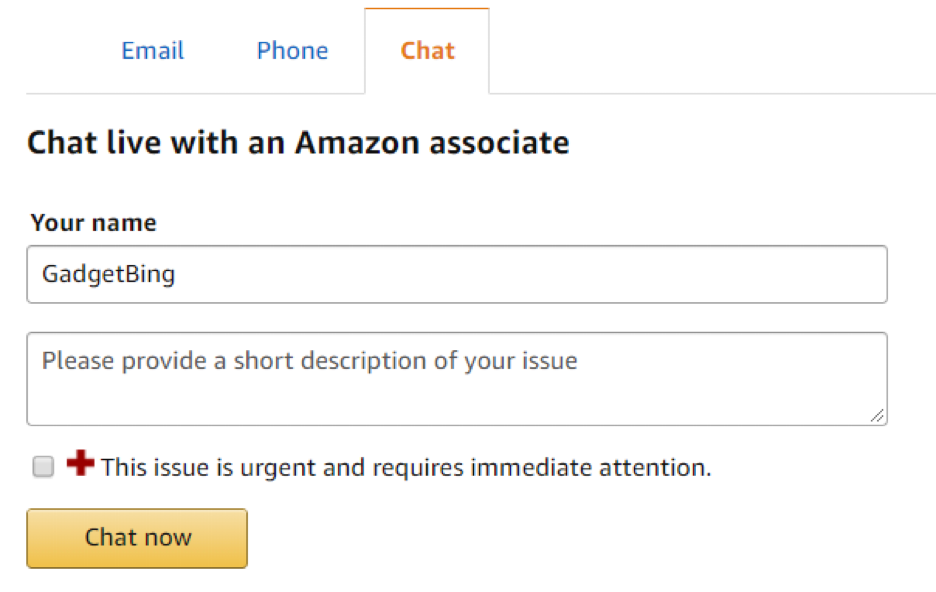
You know why Amazon is kicking everyone’s ass? Because they do things customers like. Convenience isn’t “nice to have,” it’s table stakes. Live chat, clear FAQs, instant shipping updates, seamless returns—that’s the standard now.
Buying is only the beginning. Think about the amount of times you’ve needed an answer quickly and have relied on helpful digital content to solve your problem. We’d guess it’s been more than a dozen times month over month – it definitely is for us. Tutorials, quick tips, videos, or community forums help customers feel confident in what they’ve chosen.
Many skincare brands are great at this, particularly since so many people feel insecure and unsure if they’re doing it right. Don’t allow them to feel that way if you can do something about it.
One of our clients, Dash, has seasonings that are salt-free, which is great for people who want to watch their sodium for their heart health. In news that won’t surprise you, even eager customers can get bored of just talking about the heart. So we’ve worked with them to make sure their web content speaks to the whole person – packing meals with flavor, having the power to adjust salt in their meals, finding their own personal flavor, and family-focused recipes.

Share content that speaks to your customers’ broader interests and needs. Surprise them with stories, insights, and reasons to stay engaged beyond the transaction. Boredom is the enemy of loyalty. The more intimately you connect with your customer, the more likely they are to find reasons to stick around.
Include personalized notes in your shipping packages. Call a customer and thank them for their business. Give them early access to new product launches, or exclusive content. Ask them for their opinion or to join a focus group about new product ideas. Anyone can do these things, and most of them don’t cost a dime. But few will actually do the work. Be one of them.
This list certainly isn’t exhaustive. Loyalty programs, referral perks, and exclusive communities all add to the mix. But the point is simple: if you treat customers like one-time transactions, that’s exactly what they’ll be. If you treat them like valued partners, they’ll keep coming back.
Insight | 11.21.25

At Digital Yalo, strategy and creativity get a lot of attention, but behind every successful campaign is our Account Management (AM) team making sure it all clicks. They’re the relationship drivers, the dot-connectors, and the calm in the storm. They’re trusted partners who make sure our clients don’t just get work delivered, they get solutions that move the needle.
What Account Management Really Means at Yalo
At its core, account management here is about owning the client relationship. Our AMs dig deep to understand a client’s goals, challenges, and bigger picture, then translate that into actionable strategies with our internal teams. They oversee timelines, budgets, and quality while also helping clients see the strategic value behind the work.
Unlike agencies where AMs act as order takers, Yalo’s team is wired differently. We don’t just check boxes. We ask questions, anticipate needs, and bring proactive ideas to the table. As one of our AMs put it: “We’re true partners with our clients. We want what’s best for them, not just what’s best for the agency.”
Strategic Thinkers and Problem Solvers
Whether it’s navigating a tough feedback round, re-scoping a project, or mapping out a massive website launch on a tighter timeline than expected, our AMs thrive on problem-solving.
When one client pushed their launch date up by months, the AM team worked with both the client and internal teams to create a phased rollout plan. The client felt heard, internal teams weren’t burned out, and the launch still happened on time with a roadmap for post-launch priorities. That’s the kind of balance and foresight that turns challenges into wins.
Building Trust That Lasts
Trust is the foundation of every great partnership, and our AMs take that seriously. Transparency, consistency, and reliability guide everything they do, whether it’s setting realistic expectations, owning a mistake, or celebrating client wins.
Our philosophy: clients should never be left guessing. That means proactive communication, status updates before they’re asked for, and solutions before problems escalate. Over time, that approach builds credibility and shows clients they’re in good hands.
Relationships Beyond the Work
At Yalo, relationships don’t stop at deliverables. Our AMs genuinely care about clients as people, like what motivates them, what they value, even what’s going on in their lives outside the office. That human connection makes the partnership real and long-lasting.
As one AM put it: “The real value we bring goes beyond the data—it’s in the problem-solving, the strategic thinking, and the connections we make. We’re responsive, calm in hectic situations, and always willing to go above and beyond.”
At the end of the day, Digital Yalo’s “secret sauce” isn’t just in our ideas. It’s in the connections our Account Management team makes and the trust they build.
Insight | 07.02.25

When a client asks, “What’s the ROI of [insert ad channel here]?” what they’re really asking is, “Which magic button can I press to make results appear?”
We get it. Attribution is intoxicating. ROAS feels like truth. And with the rise of AI-powered buying tools, real-time dashboards, and third-party data integrations, it’s never been easier to see results.
But here’s the kicker: the numbers you can track are only part of the story. The rest? That’s where we come in.
At Yalo, our media team is built differently, with the knowledge that data is a critical tool, but it’s not the whole tool belt.
We’re full-funnel, full-service, and fully fluent in the nuances of both digital and traditional channels. And yes, when to trust ROAS metrics, and when to be a healthy skeptic. From CTV and podcasts to SEM, print, programmatic, and beyond—we’re not here to rack up views, we’re here to make them count.
How? We use in-platform and third-party AI tools not just to chase efficiency, but to ensure impact.
Whether it’s uploading a CRM list through LiveRamp, creating historical geotargeting audiences via third-party partners, or running brand lift studies across healthcare or general market categories, we’re not guessing—we’re pinpointing.
Our planning process is powered by research partners like MRI Simmons and Comscore.
Our buying is enriched with purchase-level data from credit bureaus and intent signals. And our reporting? Custom dashboards that are live, accessible, and actually usable, so clients aren’t stuck staring at a spreadsheet asking ‘so what?’
But tech alone won’t win the war.
You still need great creative. An integrated media mix. A message that lands. And yes, that includes a team that understands your business well enough to challenge your assumptions.
While it’s tempting to chase short-term wins with last-click logic, the truth is: 91% of people who buy your product saw your ads and didn’t click them (Nielsen). 80% bounce between devices before purchase. And 40% use more than one screen to complete a transaction (eMarketer).
So, what’s the ROI of that?
Truth is, the most impactful plans don’t just ask, “What channel will convert?” They ask:
That’s what we do.
Our tribe connects the dots between strategy, storytelling, and sales. Between the art and the algorithm. Between “what you’re doing” and “why it’s working.”
There’s no magic button. Just media done right. And that’s the Yalo way.
Insight | 03.26.25

By Brittany Lavy
UX design is all about creating experiences that are easy to use and feel natural. One of the design practices commonly used to improve how users interact with your site is by performing a UX Audit. Through this process, problem areas are identified that make users feel frustrated, confused, or leave before they complete their journey. The ultimate goal of a UX audit is to fix issues and create a smoother, more enjoyable experience.
Why a usability audit matters
A usability audit is the first step in spotting your users’ pain points, any bumps in their journey, and areas that could use some improvement on your site or digital product. Once we’ve done that, we can create a roadmap of areas to focus on and tweak to make sure your audience gets the best possible user experience.
Here are some ways UX audits can help improve your product:
Usability problems throughout the product
If users get stuck, lost, or frustrated, they won’t stick around. Definitely not what you want! This step helps ensure users reach their intended destination—both where they need to go and where you want them to go.
We find usability problems by using well-known guidelines called the 10 Heuristics. Developed by Jakob Nielsen, these general principles serve as a “rule of thumb” for how we can make UX easier and more effective.
Streamlining a user’s journey
A website should guide users effortlessly to their goals. Some common user goals are making a purchase, signing up for a newsletter, or finding information.
Simplifying the user’s journey and helping them achieve their goals boosts satisfaction, increases conversion rates, and strengthens brand perception.
Data-driven recommendations
When designing a site, we’re not always the ones using it, so we might make assumptions about the user’s experience. A usability audit helps us see how real users interact with your site or digital product, giving us a clear idea on how to make improvements.
Enhance accessibility
It’s important to make sure all users have an easy experience when interacting with your brand. Auditing the site or digital product can identify areas that may not be accessible for people with disabilities, like those with low vision or deafness, and adjust those areas to be compliant with general accessibility guidelines. Making sure your site meets accessibility guidelines means a better experience for all users.
Keeping costs low
Spotting UX issues in an audit can help save on development costs. By tackling problems early and designing with the user in mind, we can fix issues before diving into development or redesign. This not only saves time later on but also reduces the need for expensive changes further down the road.
User satisfaction and loyalty
Thanks to the UX audit, we can create a great user experience. When a product is simple to use, intuitive, and effective, users are more likely to enjoy interacting with it. This boosts satisfaction and helps build long-term loyalty with your users.
When should you do a usability audit?
There are several moments when you should consider performing a usability audit.
When redesigning a site or product
Starting with a UX audit on your current site or product helps spot areas for improvement and highlights what’s already working well. This gives us a solid starting point for wireframing and lets us fix usability issues early, so we can tackle them before development begins.
When you notice more help requests or a drop in conversion rates
A targeted audit can help pinpoint where users are getting stuck or abandoning the site. We can focus on specific pages or user journeys to see where things are going wrong.
When adding new features or pages
Before launching new features or pages, a usability audit helps us figure out how they’ll fit into the current experience. This way, we can address any issues that might affect user adoption before the feature or page goes live.
As part of regular maintenance
An annual or biannual audit keeps things running smoothly by identifying and fixing issues over time. It also sets up a routine for addressing usability challenges on an ongoing basis.
What level of audit makes sense for you?
Usability audits can vary in depth and scope depending on client goals, resources and timelines. There are four levels of a usability audit to choose from.
Where to start
Ready to elevate your user’s experience? At Digital Yalo we don’t just identify usability issues but we work to craft solutions. Whether you’re in need of a quick scan, a comprehensive deep dive, or a specialized approach, our team has the expertise to guide you along the way.
Contact us today and let’s work together to create meaningful experiences for your users.