

Insight | 01.17.25
Insight | 11.26.25

Marketers love to talk about acquisition. It’s flashy, it’s measurable, it looks good on a dashboard. But the truth? Long-term growth comes from loyalty. And loyalty doesn’t happen by accident. It’s earned, step by step. Too often, brands either rush the process or skip it entirely, then wonder why customers ghost them after one purchase.
Here’s how to avoid the one-and-done trap and build loyalty that actually lasts:
If you want someone’s information, give them a reason. We have conversations with clients about this all the time. “We don’t want them to go to Amazon, we want them to buy from us, so we should ask for their email address and phone number, and blood type, and…” Yeah, sure thing. You want someone’s information? Give them value. If it’s an e-commerce business, a purchase incentive is always an obvious one for a first-timer. Or a free gift with purchase. If it’s an item or service with a longer lead time, help them pre-solve their problems.
Give them rich content, video tutorials, downloadable step-by-step guides, etc. Give them so much valuable information that they’re practically salivating to fill out your lead form. Give real value.
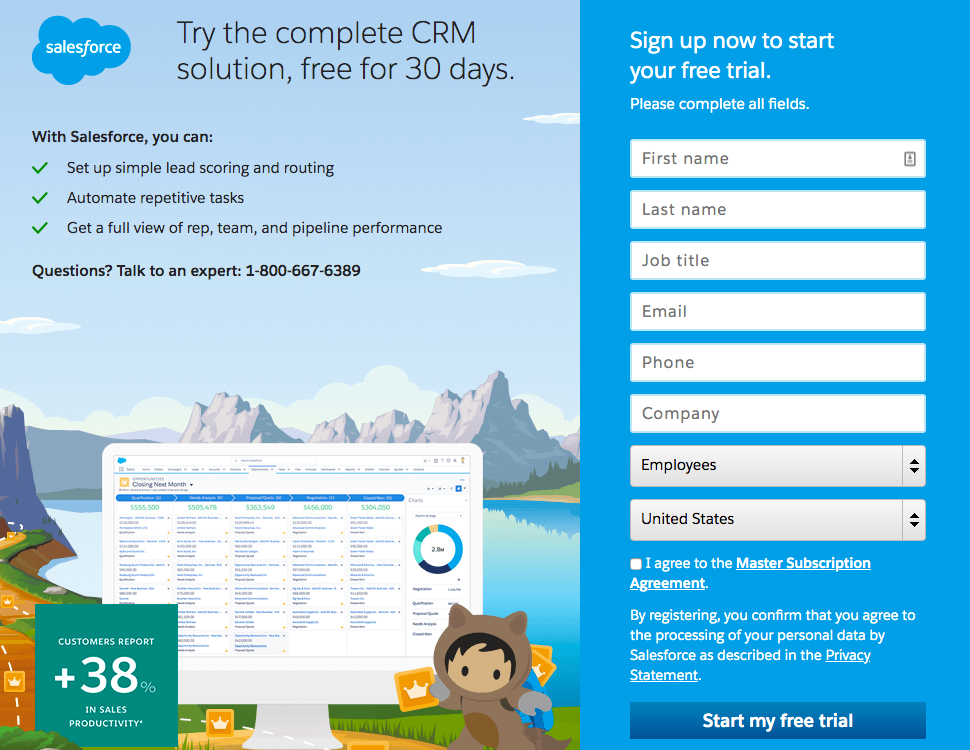
Salesforce has a great, well-known product and a great reason to fill out their lead form
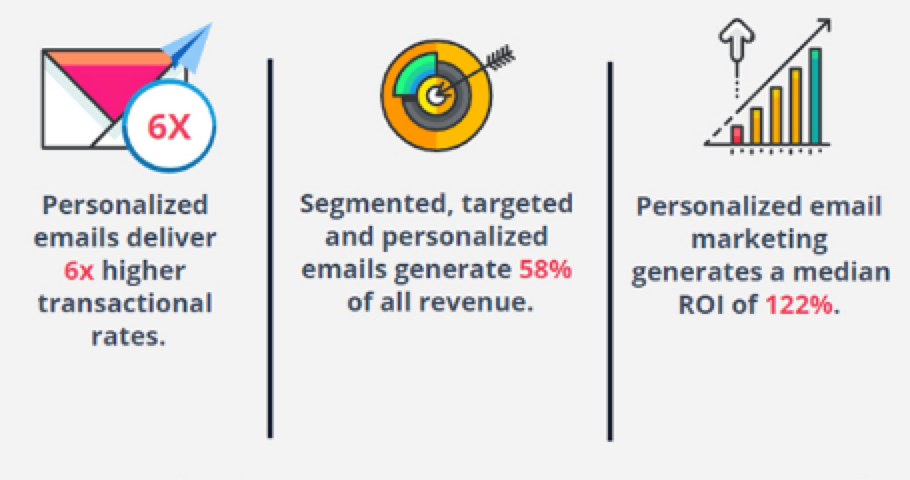
Personalization doesn’t mean blasting every buyer with the same recycled offer. If someone’s already shown you what they’re interested in, reflect that in your messaging. Respect the signals your customers give you, and use them to create experiences that feel tailored, not tone-deaf.
Let’s say you buy a men’s t-shirt from an e-commerce brand that sells both men’s and women’s apparel. You don’t want email promotions for women’s clothing—you’ve already shown you’re shopping in the men’s category. Easy enough. Now imagine you fill out a lead form to learn about a complicated piece of software to automate processes for your business. That shouldn’t trigger an immediate sales pitch. Instead, it should be an opportunity for you to receive rich content that answers common objections, shares case studies, or shows how to use the tool if you sign up for a free trial. You want to feel like the brand understands you, and you want experiences that prove it. The more granular the personalization around your specific behaviors and interests, the better.
No one wants to sit on hold, send an email into a void, or fight through a clunky return process. They want instant access through chat features or bots, DMs or call services that save your spot in line, then call you. They want easy returns and they don’t want to have to wait for their purchase to be credited either.” Make everything easy. It’s easy to hate on Amazon, but everything we just mentioned, they’ve mastered. You can jump on live chat with a real person in one or two minutes. You can get digital shipping labels for returns, and sometimes they don’t even bother with having you return the item. They have exhaustive FAQs. There is rarely a question you can’t get answered or a problem you can’t get resolved in under 5 minutes with them.
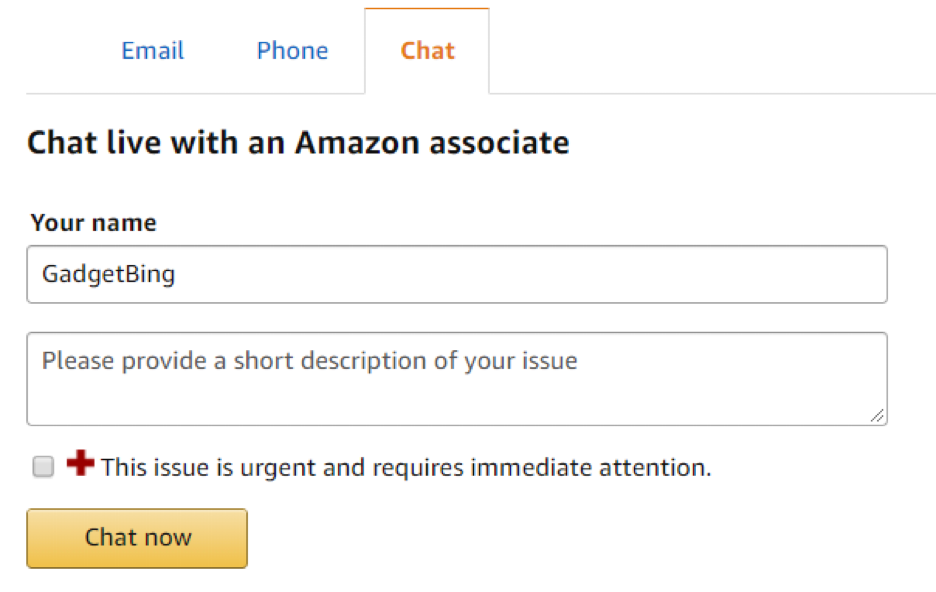
You know why Amazon is kicking everyone’s ass? Because they do things customers like. Convenience isn’t “nice to have,” it’s table stakes. Live chat, clear FAQs, instant shipping updates, seamless returns—that’s the standard now.
Buying is only the beginning. Think about the amount of times you’ve needed an answer quickly and have relied on helpful digital content to solve your problem. We’d guess it’s been more than a dozen times month over month – it definitely is for us. Tutorials, quick tips, videos, or community forums help customers feel confident in what they’ve chosen.
Many skincare brands are great at this, particularly since so many people feel insecure and unsure if they’re doing it right. Don’t allow them to feel that way if you can do something about it.
One of our clients, Dash, has seasonings that are salt-free, which is great for people who want to watch their sodium for their heart health. In news that won’t surprise you, even eager customers can get bored of just talking about the heart. So we’ve worked with them to make sure their web content speaks to the whole person – packing meals with flavor, having the power to adjust salt in their meals, finding their own personal flavor, and family-focused recipes.
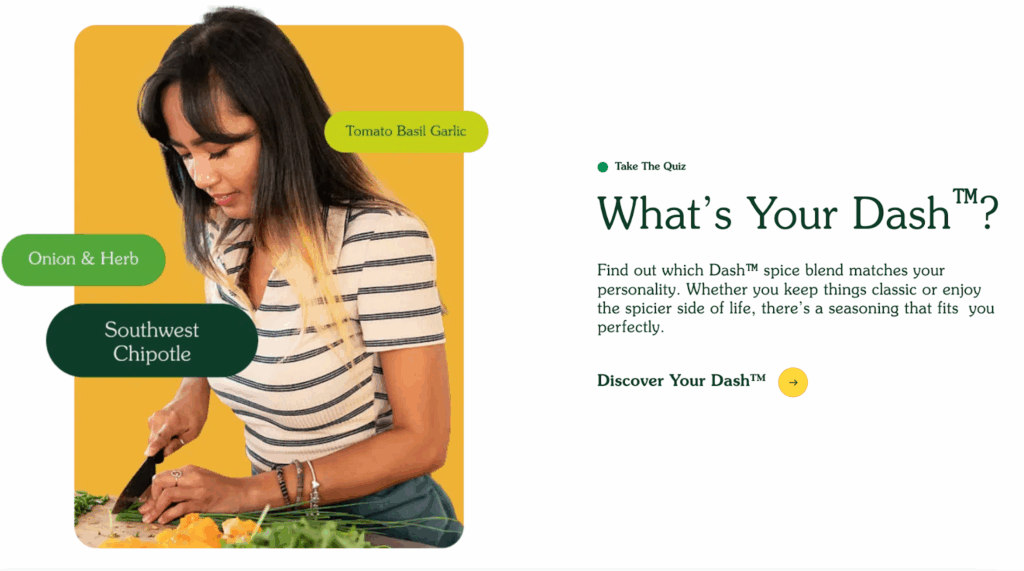
Share content that speaks to your customers’ broader interests and needs. Surprise them with stories, insights, and reasons to stay engaged beyond the transaction. Boredom is the enemy of loyalty. The more intimately you connect with your customer, the more likely they are to find reasons to stick around.
Include personalized notes in your shipping packages. Call a customer and thank them for their business. Give them early access to new product launches, or exclusive content. Ask them for their opinion or to join a focus group about new product ideas. Anyone can do these things, and most of them don’t cost a dime. But few will actually do the work. Be one of them.
This list certainly isn’t exhaustive. Loyalty programs, referral perks, and exclusive communities all add to the mix. But the point is simple: if you treat customers like one-time transactions, that’s exactly what they’ll be. If you treat them like valued partners, they’ll keep coming back.
Insight | 04.24.25
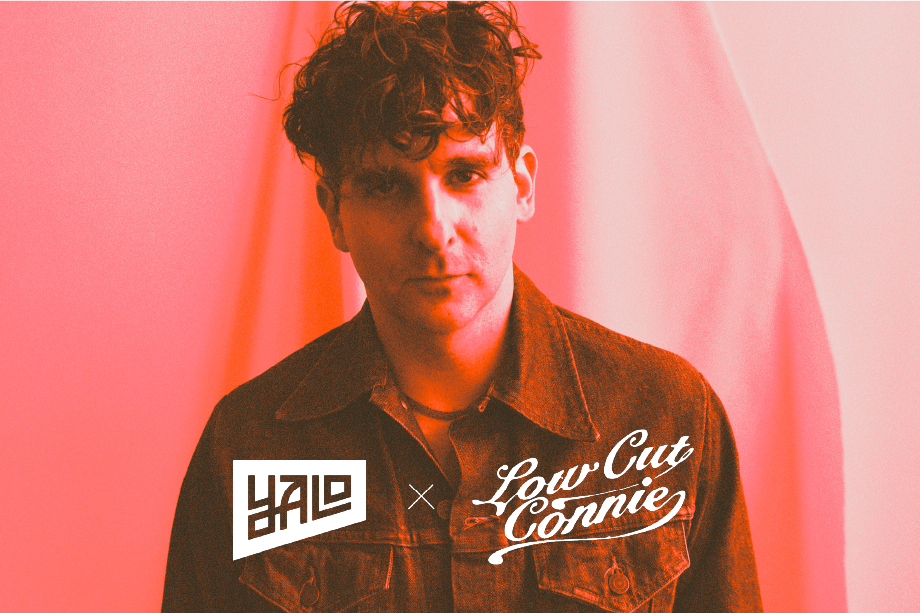
Music engages most of our senses, but the strongest of them is feeling. (You thought we’d say hearing, right? Wrong!) That’s why we so often turn to music for inspiration when we want our clients to feel something, encouraging them all to pick “soul songs” from which to help drive branding ideas. People connect with music in a primal way. No one knows this better than Philadelphia-based musician and bon vivant Adam Weiner, aka Low Cut Connie.
Known for his high-energy live shows, Low Cut Connie has a stage presence that’s almost unmatched in today’s musical landscape. He personifies the Yalo tenet of “amping it up to 11” in almost every way, which made him a natural fit to partner with Yalo. For over ten years, Yalo and Low Cut Connie have shared a love of bringing music into everything they do, and have supported each other through branding and event opportunities.
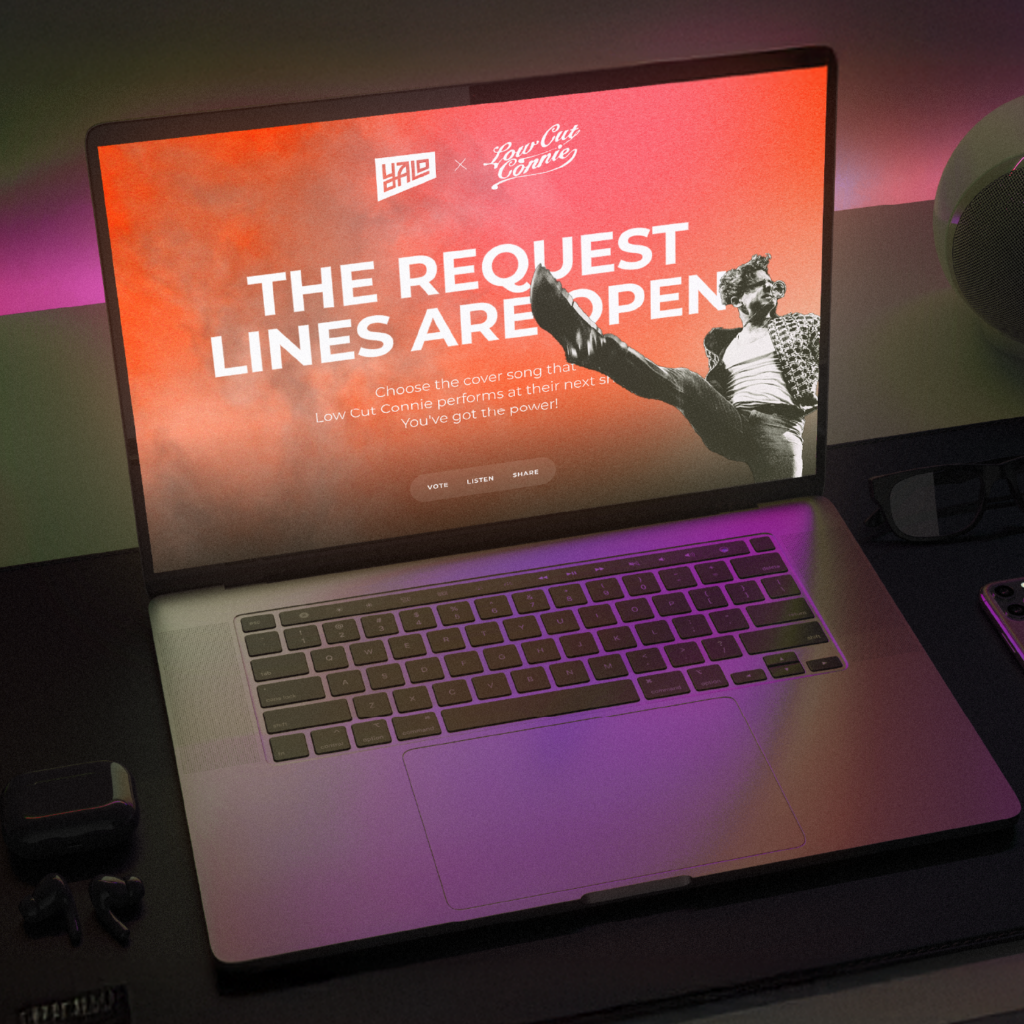
When it came time for Low Cut Connie’s summer residence at Ardmore Theater, we knew we had to jump in and tell the world about it, with a website that allowed for the kind of fan interaction that LCC was known for (in digital form, of course). Instead of just the ability to get information and purchase tickets, this site allowed fans to choose the song they wanted Low Cut Connie to cover at each of his shows, with a selection that changed every week.
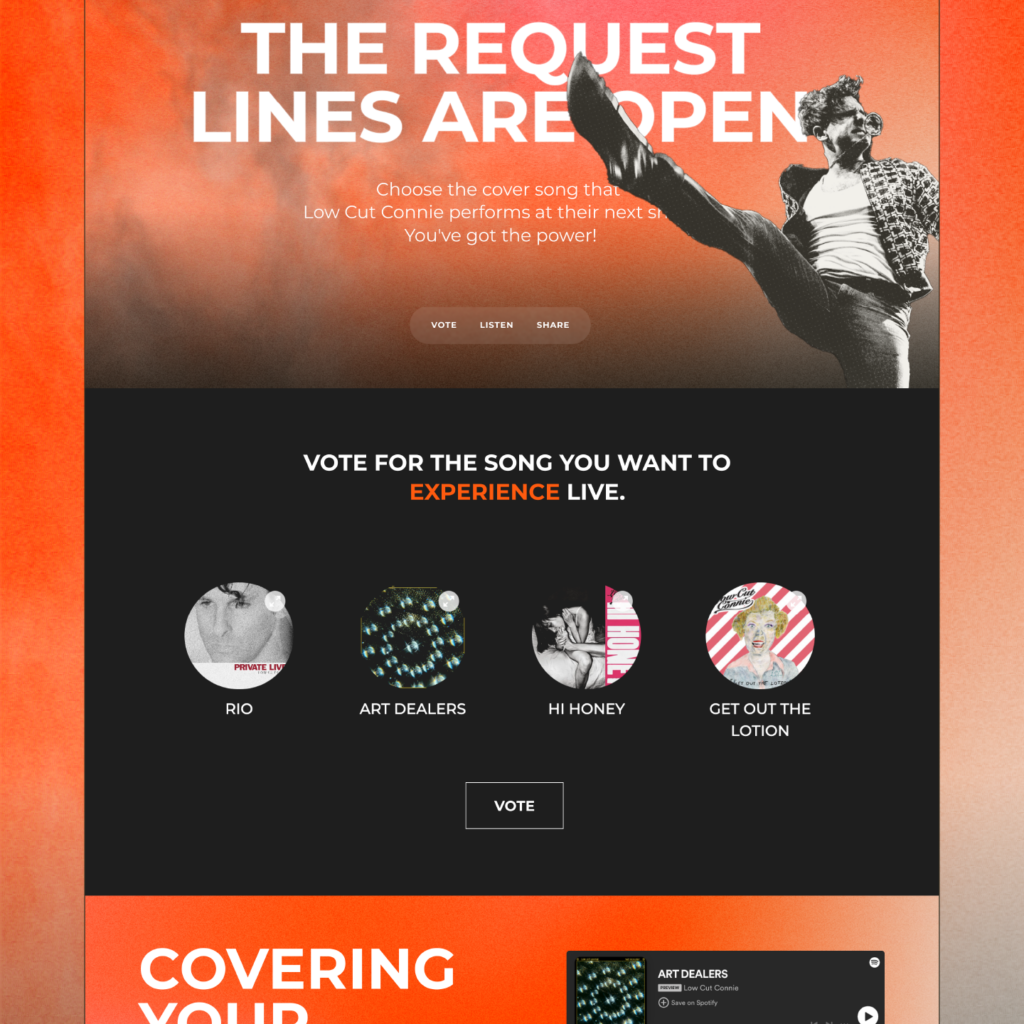
Since the audience was allowed to pick the songs, it resulted in some… interesting choices. Here’s the band performing “Part of Your World” from The Little Mermaid, much to Adam’s delight (warning: adult content throughout):
Says Adam:
“I absolutely loved working with my Digital Yalo pals on my project, the Connie Club, this past summer. It was a complex idea with a lot of different media elements, and Josh, Arnold and the Yalo team had great collaborative ideas right from the start. They sculpted an interactive platform for me that brought me closer to my fans and was exciting for everyone involved. I always love working with these guys and hope to continue doing so in the future.”
Music and branding will always go hand-in-hand, as people respond to music in a way that can help make brand work memorable. Marketers have known and used that information for… oh, since around the first television ad.
At Yalo, we know that it can be used for more than just a background track. We encourage our Tribe and clients to find their own “Soul Song,” the song that hits the emotional core of you or your brand.
Want to learn more about how music can help your brand? Just ask! Want to jam out to Low Cut Connie? No asking needed.
Insight | 11.06.24

By: Arnold Huffman
I have attended hundreds of conferences not only in the US and Canada but also on every continent including Europe, Africa, Asia, Australia, and only missing South America and Antarctica (not sure I’ll ever check that box).
In my years of conference-going, I’ve formed a few of my truths and takeaways that you can apply to your own efforts, with the hope that you’ll find newfound success in doing so.
Let’s start with the hard stuff. Now, this may sound cynical, but here are the truths about potential clients and customers attending a conference:
If you are a sponsoring vendor, whereby your company has paid a handsome ransom to have a booth and presence at a conference, you, the representative(s) at the conference repping your business, are being measured on ‘ROI’.
‘Conference ROI’ is code for “how many business cards did you collect/badges did you scan” of potential customers? Knowing this fact, you eat your Wheaties in the morning, you do your pushups, and maybe even go for a run to get the endorphins ramped up to talk to every single human that walks by your booth.
Reality is you are likely to have less than 5% of the attendees who genuinely want to talk to you. The majority (call it 75%) fall into the bullet points above. That leaves you 20% to win, somehow, someway.
So what gives? Here are a few ideas to maximize your opportunity with those 20% to ensure you hit your ‘ROI Target’, depending on your budget:
As you prepare for a conference, you need a gameplan. There are a few key things you should do to maximize your success when doing so.
I can tell you that if you came back with contact info for 20 to 25% of attendees from a 1,000 person conference (200-250 prospects/contacts), that your company will be jazzed up and everyone will say “I have to go back to that conference again next year!” (which may sound painful to you if you are the representative, but you did such a good job, you’ve earned another trip to Orlando or Vegas 😊).
So, you might as well make the most of it. It all starts with the right attitude, starting with the planning of being there, the right theme, the approach, and how much dust you can kick up. Have fun while working the conference. Spend money. Be outrageous.
Fireworks anyone?