


Insight | 01.17.25
Insight | 02.03.25

A brand evolution has many moving parts. It’s more than just changing a look and feel, it’s the research and planning that goes into the initiative before any changes are made, and the maintenance that goes into constantly reinforcing the new brand voice—plus everything in between.
PDI Kitchen, Bath and Lighting is known in the plumbing and homebuilding industry for outstanding products and customer relationships. While they had a great reputation on the industry side of things, they were relatively unknown to the public. Enter: Yalo.
When Yalo and PDI began their partnership, PDI had just renovated their public-facing showroom with a curated selection of high-end products and finishes. They also expanded their ecommerce offerings. They needed a brand refresh to match these initiatives, breathing new life into the website’s look and feel and updating their communications.
Yalo started where most brand refreshes start—with a new logo and visual identity system. We took their old logo and evolved it to reflect an elevated look and feel, while still alluding to their legacy logo in order to utilize brand equity built over 45 years. We also developed a brand architecture and corresponding identity system for use in acquisitions.

Why do people renovate their home? What goes into deciding where to spend money and which styles to choose? When developing PDI’s advertising campaigns, we looked at the psychology behind home renovation, and used this mindset to develop fun yet elegant messaging, positioning PDI as a trusted, reliable source to bring their vision to life.



We also created an elevated user experience on the PDI site, enhancing the user interface to reflect PDI’s premium positioning.
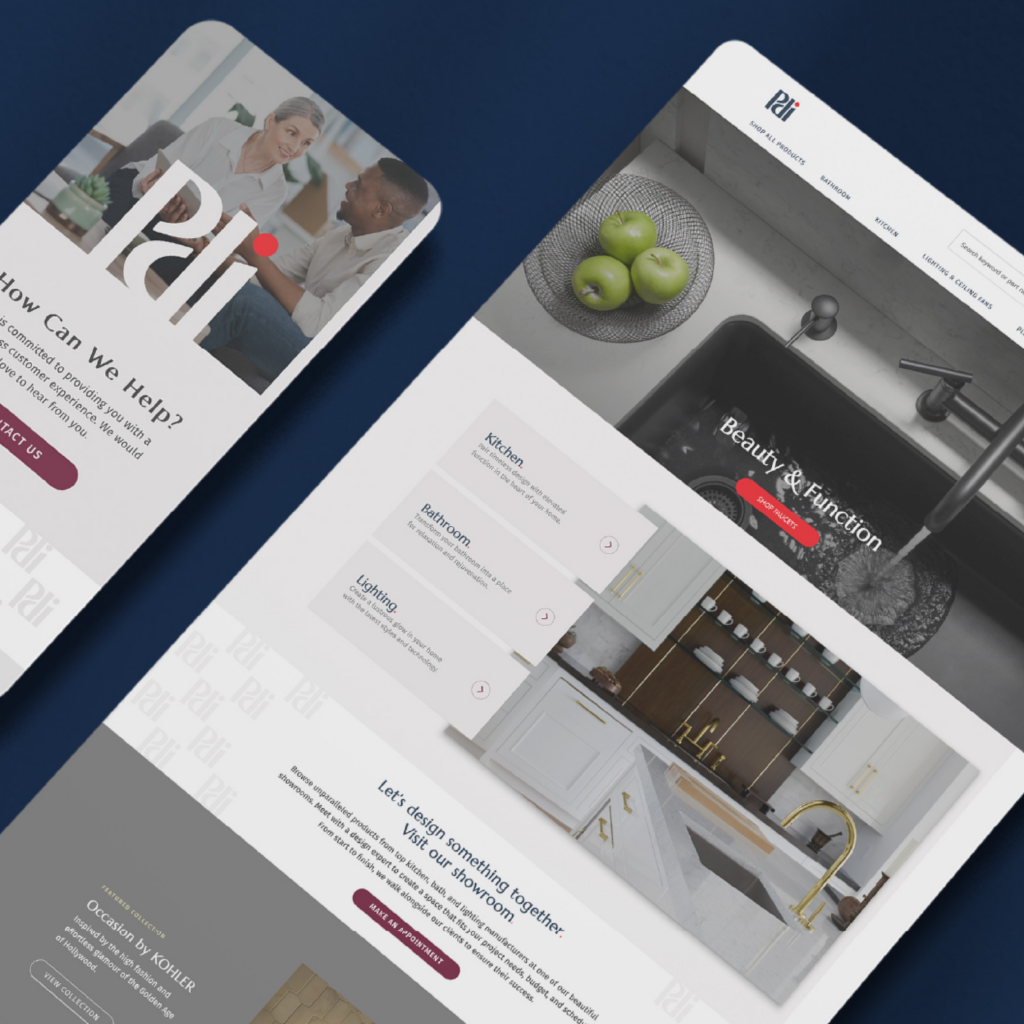
Last but certainly not least (also, not technically last, since we continue to evolve the brand), we shot :30 and :15 commercials which spoke to the fun side of home renovation while still showcasing PDI’s offerings.
Insight | 01.21.25

By Savannah Kopp
Welcome to Digital Yalo’s monthly employee spotlight. This space is held to shine a light on the talented thinkers and makers behind the scenes who make Digital Yalo the award-winning agency it is.
Our team boasts a diverse group of talented, smart, and dynamic professionals. And each spotlight will showcase and celebrate their unique contributions and impressive work.
So, without further ado, let’s meet this month’s star and discover the stories, skills, and obsessions that make Digital Yalo the hub of innovative thinking that it is.
First up, Jordan Talpas, Senior Project Manager at Digital Yalo. From the mountains of Colorado, she brings the heat—even if she only likes the cold.
Energy and diversity are critical to how Digital Yalo defines itself in the agency world, particularly in an industry often dominated by male voices. We pride ourselves on having women leading women, and Jordan’s leadership exemplifies this spirit.

She’s the type you might find scaling a rugged cliff or dancing at a rave, only to seamlessly transition into leading a high-stakes project meeting. She stormed into Digital Yalo as a Senior Project Manager in November 2022, ready to carve out distinct paths for the agency’s account and project management teams. Her adventurous spirit isn’t just a weekend hobby; it’s the energy she brings to every project, inspiring our Tribe to push limits and scale new heights.
At the helm of our omnichannel project management discipline, Jordan orchestrates everything from forecasting and planning precise timelines to managing overlapping, integrated timelines, and keeping client budgets on track and reconciled. Everything under her watch is meticulously organized (you should ask her about her color coordinated notes).

She’s the reason our projects flow smoothly, ensuring the whole team is in sync and fully briefed.
Starting out fresh from college in the bustling world of digital marketing was overwhelming, to say the least. That’s where Jordan came in. She taught me the ropes with a focus on process and critical thinking as a mandatory precursor to any project.
Her mentorship has been transformative for my confidence and skills, and it pours from her own leadership mantra: “Stay organized and follow the process.”
It sounds simple, but it’s her consistent application of these principles that breeds success. Under her guidance, we’re not just completing tasks; we’re excelling at them, and our clients can feel — and see — the difference.
Jordan isn’t just managing projects; she’s crafting a legacy of empowered leaders and successful strategies. Our work is about creating connections that go beyond business, and Jordan embodies this in everything she does. It’s her way of carrying herself that highlights her formidable strength and capabilities.
Insight | 01.17.25
They say all the world’s a stage, but when you’re running media for a historic theatre like The Strand, the real performance happens behind the scenes—in dashboards, data, and media spend optimizations. Our task? Drive ticket sales for a lineup of wildly different shows, from classic films to live concerts, all while ensuring our client got the best bang for their advertising buck. Enter AI, the ultimate understudy that helped us steal the show in media performance.
The first challenge was figuring out exactly who we needed to have sitting in the proverbial front row: our target customer. But with such a diverse lineup of performances, that audience was a varied one. AI helped us break it down by analyzing Meta’s audience data at scale and identifying patterns in who was engaging, who was buying tickets to which types of shows, and (more importantly) who wasn’t.
Engaging them on their terms added another layer to our efforts. Rather than relying on assumptions, AI helped us tailor our messaging and audience targeting to match the unique vibe of each show.
Once we had our audiences locked in, we made sure our ad dollars were putting on a Tony-winning performance. We wielded AI by continuously analyzing which channels and creative assets were hitting the right notes at the moment of transaction.
This real-time, data-driven decision-making kept us from wasting budget on underperforming tactics and ensured we doubled down on what worked. Think of it as a media strategy that constantly fine-tuned itself, like a sound engineer tweaking the mix to get the perfect balance.
A great show builds momentum; our campaigns did too. Thanks to our team’s prowess in deploying AI to parse analytics at scale, we didn’t just see good performance, we saw better performance month over month.
By the time the final curtain fell, The Strand Theatre had maximized its media spend while continuously improving ROI. The result? More ticket sales, smarter budget allocation, and a digital media strategy that played to a standing ovation.
We didn’t use AI to replace our expertise, we used it to enhance it. It helped us make smarter, faster, and more data-driven decisions, allowing us to move budget with precision and drive higher returns. In the world of media strategy, it was a box-office smash.
And with AI in the mix? Let’s just say we’re already looking forward to several encores.
Insight | 01.08.25

Is content strategy a part of your marketing plan? If not, it should be! Despite nearly every brand using content marketing, only 40% of B2B marketers have a documented content marketing strategy.
Content strategy is the foundation of effective marketing. It’s not just about creating content—it’s about planning, managing, and evaluating every piece to ensure it aligns with business goals and serves your unique audience’s needs. A good strategy ensures that your content works cohesively across platforms, speaks directly to your audience, and delivers measurable results.
Here’s why it matters: without a strategy, content is often reactive, inconsistent, and unfocused. With a strategy, it becomes a powerful tool to engage audiences, build trust, and drive meaningful outcomes.
Investing in content strategy delivers real, measurable benefits:
How We Build and Execute a Content Strategy
So – what is a content strategy? It’s a comprehensive plan that begins long before creating any actual content. While every strategy is tailored to fit a brand’s unique goals and needs, there are common steps that most content strategies include. Here’s how we do it:
Every content strategy starts with clarity. What are your business objectives? Are you looking to drive brand awareness, generate leads, or increase conversions? From there, we turn to audience research. Through data and insights, we build detailed personas that outline your audience’s needs, preferences, and behaviors. These personas guide the tone, style, and format of every piece of content created for your brand.
Next, we take stock of your existing content. A content audit evaluates what connects with your audience based on best practices and persona research, and where gaps exist. This step ensures we’re building on a strong foundation while avoiding duplication or inefficiency.
Understanding the competitive landscape is key to standing out. By analyzing what your competitors are doing well (and not so well), we identify opportunities to differentiate your brand and deliver more value to your audience.
Content is only as good as its accessibility. We organize your content into a logical structure that ensures users can find what they need quickly and easily. A well-planned IA also supports SEO, helping your content rank higher in search results.
With a clear understanding of your goals, audience, and existing assets, we develop a comprehensive strategy. This includes:
This plan ensures every piece of content serves a purpose and contributes to the overall goals of your brand.
Content strategy doesn’t happen in isolation. In collaboration with our UX, marketing, SEO, and design teams, we deliver cohesive and impactful content. This collaboration ensures consistency across all touchpoints, from messaging to visuals.
Once the content is live, the work isn’t over. We analyze performance metrics, gather user feedback, and refine the strategy to ensure ongoing success. Regular evaluation helps us stay aligned with your goals and adapt to changing audience needs.
Content strategy isn’t just a part of marketing—it’s the backbone. With a thoughtful, well-executed approach, you can elevate your brand, connect with your audience, and achieve long-term success. Ready to implement a content strategy for your brand? We’re here to help.
Insight | 01.06.25

By Max Cedergreen, Group Account Director
Why did I pick account management? My answer is subject to change based on the situation in which I am asked. Over a drink, I may jest that it’s a testament to my failure to make it as a copywriter – having nothing to put in a portfolio aside from alliterative taglines and a collection of one-liners categorized under “somewhat funny.”
On my LinkedIn, you’ll read that it’s a career path nestled at the intersection of strategy and creativity – weaponizing the talents of varying disciplines at the agency to attack client business challenges.
But if you ask me point blank, I will tell you the truth — I just love people. (Reader’s note, if you want to jump to the case study portion of this post, scroll to ‘JUMP AHEAD’)
Finding commonality between myself and others has always brought me a sense of satisfaction – recognizing that it’s a valuable professional skill, is something I never take for granted. To date, building relationships with both my peers and my client partners has been, and will continue to be, the most fulfilling aspect of my career.
As I sit down to share my thoughts on the significance of building strong relationships with clients, I am reminded of instances throughout my career where it has paid dividends. Over time, I’ve come to understand that behind every successful branding strategy lies a deep understanding of the client’s vision, values, and unique attributes. The key to unlocking this treasure trove of insights? Genuine, meaningful relationships.
Anyone who has worked for or with an agency knows that the term “fast-paced” gets thrown around as both a colloquialism and generalization. It’s easy to get caught up in the frenzy of deadlines, deliverables, and results. As a steward for my client partners, my mission goes beyond project intake and delivery; it’s about delving into the soul of a brand and bringing it to life in a meaningful way. In doing so, what I have found over the last decade is that it’s essential to remember that at the heart of every brand or project, there are people – people with personal and professional goals, aspirations, and motivations.
Building relationships with clients isn’t just a nicety, it’s a strategic imperative with tangible benefit for agency and client alike. It lays the foundation for trust, collaboration, and ultimately, success. A two-way relationship between a client partner and an agency that is hinged upon a shared investment in the brand lends itself to both immediate and long-term progress. When a client team trusts their agency, they’re more likely to open up, share insights, and partner when it comes to shaping their brand narrative.
When an agency trusts their client, they are more likely to break the mold with confidence, knowing they will be afforded the chance to demonstrate opportunity through riskier work. The mutual trust lends itself to mutual safety, a key ingredient in creative liberation. Knowing the variable we aim to solve for is but one half of the equation, having an interesting and thought provoking means of addressing the objective accounts for the other.
As agencies look to produce fresh and innovative work for their clients, one of the most significant benefits of fostering strong client relationships is the ability to uncover the hidden gems that set their brand apart from the competition. Every brand has a unique story to tell, but it’s often buried deep beneath layers of market noise and industry trends. By taking the time to listen, ask probing questions, and truly understand the client’s journey, you can unearth these hidden treasures and isolate value propositions, leveraging them to drive results.
JUMP AHEAD: I have felt this firsthand in our relationship with Cortland Apartments.
Headquartered in Atlanta, Cortland is a global, integrated, multi-family apartment management company that focuses on building hospitality-driven and resident-centric communities. As a client, Cortland has been a partner to Yalo for nearly a decade, with a relationship spanning brand building, creative campaign development, and integrated media services. A key milestone in our longstanding relationship has been an introduction of Cortie the Spokes-pug, a furry Australian brand ambassador designed to help disrupt the more predictable nature of apartment advertising and marketing.
On a quarterly basis we meet with our partners at Cortland for what we call the “State of the Business” meeting. For Yalo, the objective is simple: demonstrate our ability to actively listen. By setting aside our instinct to lead, in favor of our ability to listen, we find ourselves in the presence of authentic and organic dialogue between our clients that is rich with insight. Having a designated seat at the table for such discussion puts Yalo at an advantage when it comes to planning out broader strategic initiatives, affording us the ability to plan against pain-points of any scale.
Uncovering these gems isn’t just about asking the right questions; it’s about creating an environment where clients feel comfortable sharing their hopes, concerns, and aspirations.
Think about your clients the way you’d think about a personal friend and how you would interact with them in an interpersonal way. It’s about being empathetic, attentive, and genuinely interested in their success, which builds trust beyond the transaction. While a personal mantra of mine, I believe that many successful agency-folk would agree that a client’s success is heavily tethered to their own success. When they win, we win. We are unified as one as we strive for a common goal. When clients know that you’re invested in their journey, they’re more likely to open up and share the insights that will serve as a catalyst to strategic process and planning.
“Our company and its brand communication needs have changed greatly over the last seven years, and the Yalo team has changed with us. They’re a fountain of ideas and a skilled partner in executing our myriad brand, social, and internal engagement initiatives. Yalo helps us find our voice in the marketplace.” – Britt Else, Creative Director, Cortland.
Inspiration can come from anywhere, and I have found that some of the most valuable insights come from unexpected places; a casual conversation over coffee, a candid moment of reflection, or even a shared laugh over a relatable experience. These seemingly mundane interactions have the capacity to lead to breakthroughs that shape the trajectory of a project and its subsequent success. At the very least, they serve as opportunities to deepen the connection between client and agency alike, demonstrating the peer to peer human connection that is a necessity in any healthy relationship.
While invaluable on the surface, building relationships with clients isn’t just about uncovering insights. It’s also about fostering a sense of partnership and collaboration. When clients feel like they’re part of the creative process, they’re more likely to be invested in the outcome and committed to bringing the vision to life.
By involving them in brainstorming sessions, design reviews, and strategic input meetings, you not only tap into their expertise but also create a sense of ownership that fuels their passion for the project. Beyond that, when the shared vision is successful in the form of tangible results, the shared celebration is that much more meaningful.
One of the most rewarding aspects of my job is seeing the transformation that takes place when a client’s vision comes to life. It’s incredibly gratifying to play a small, but meaningful role in helping them achieve their goals. There is a lot of gratification that comes from recognizing that the work has been impacted by the trust and collaboration that underpin every successful client relationship.
Beyond that, when your relationship surpasses the professional and extends into the personal, it’s like giving a good friend a high-five. Well done.
In today’s hyper-competitive marketplace, brands are constantly vying for consumers’ attention, and standing out from the crowd is no easy feat. Let me say it one more time, louder for the people in the back: By building meaningful relationships with clients, we gain access to the insights, stories, and humanity that inform unique opportunities to create a lasting impression on consumers.
It’s not always going to be a silver-bullet, but why disregard a competitive edge when it’s looking you in the mouth? All professionalism aside – at the bare minimum you stand to better relate to your clients in such a way that it makes difficult conversations easier, and the good conversations great. Sounds great to me.
By now it’s become apparent that this soapbox can only hold me for so long. My hope is that this perspective offers you affirmation of a behavior you already exhibit in your professional existence, or alternatively encourages you to never underestimate the power of building better relationships with clients. It’s not just a means to an end – it’s the foundation upon which successful brand strategies are built.
My challenge to you is to continue to listen, learn, and collaborate, knowing that the insights we uncover and the relationships we forge will drive results that go beyond our most grandiose or anticipated expectations.
Curious about the type of marketing outcomes we can create for you? Check out our case study on Cortland HERE.
Insight | 12.20.24

In the heart of the South, few things ignite passion quite like Atlanta Braves baseball. And no one understands this affinity (and celebrates it!) more than Cortland—a vertically integrated multifamily company focused on delivering an above and beyond apartment living experience.
Cortland owns and operates communities across the US Sun Belt and is the top owner of apartment homes in the metro-Atlanta area. With its headquarters here in Atlanta, Cortland became an official sponsor of the Atlanta Braves in 2019. This past season Cortland wanted to pursue a gameday activation that would engage with Braves fans to highlight the Cortland x Braves partnership and continue to grow awareness for their brand.
As Cortland’s agency partner, Yalo was given the opportunity to design a memorable pop-up experience for this activation. With so many fans passing through, the big question for our team was How can we create a memorable experience for Braves fans that also engages them with the Cortland brand?
The answer? Create unique co-branded merchandise that captures the essence of Braves Country & Cortland. Yalo worked with the Braves to secure a 10×10 activation space right outside of Truist Park’s Third Base Gate. As this gate is the closest to gameday parking lots, it typically manages about 60% of gameday traffic—which is approximately 25,000 people during a typical sold out game!
Collaborating closely with Cortland, Yalo’s creative team developed multiple ideas that leveraged iconic Braves and Cortland imagery before landing on an illustration of the Braves mascot Blooper next to Cortland’s spokespug, Cortie.
This illustration was printed on rally towels & t-shirts, which were then given out to Braves fans who stopped by the activation booth to learn more about Cortland.
“I thought the incorporation of Blooper (the Braves mascot) into the overall design was clever,” says Mike Gomes, Chief Experience Officer for Cortland. “While we recognize that not many people may be aware of Cortland and our mascot Cortie, we know that fans love Blooper. As a result, they’ll be likely to wear their t-shirt around town, further promoting Cortland and our partnership with the Braves.”

Creating limited-edition Cortland Living x Braves swag was a win-win for both parties; not only did it elevate the fan experience—providing them with items to wear & cheer on the Braves—but it also boosted Cortland’s brand awareness, filling up Truist Park with the Cortland spokespug, Cortie. The unique (and limited) design motivated fans to stop by the activation booth and learn more about who Cortland is and the benefits of living at a Cortland community. Fans also had a chance to interact and get pictures taken with the Cortie mascot.

By providing fans with something to take home—an item that symbolizes their passion for the Braves—Cortland created a connection that goes beyond the game.
In a city where Braves baseball is a cherished tradition, Cortland gave fans something they can treasure for years to come. Yalo and Cortland’s collaboration demonstrates the power of thoughtful, community-focused brand activations. By tapping into local culture and creating engaging experiences, brands can forge lasting connections with their audience that resonate long after the event ends.
Insight | 12.10.24

Let’s dive into something that’s been hot tea—the WNBA and how it’s flipping the script on sports marketing. Here at Digital Yalo, where brand meets soul to spark growth, we’re all about trailblazing with genuine human connections. And that’s what has us evaluating how the WNBA is utilizing its transcendent moment (hello, Caitlin Clark), and absolutely crushing it.
Players as the Real MVPs
Once upon a time, pro athletes seemed almost like distant superheroes, akin to fictional characters. We heard their stories, sure, but they were always through someone else’s lens—never straight from the source. Basketball, in particular, has long been a superstar dominated sport. And to that end, the WNBA is taking the proverbial ball and advancing it. They’re pushing their players front and center, letting them be the storytellers. Seeing these athletes show their real selves—both the struggles and the triumphs—has humanized them, and the league they represent. And as a brand, humanization can be transcendent when it comes to nurturing an audience.
Digital Is the New Hardwood
The WNBA isn’t just stepping up its game on the court; it’s going heavy into digital off of it. With a revamped app and a fresh website, they’ve made it easy for fans to catch up on all the action and connect with their favorite players.
Offseason? More Like On-Season
What’s really cool is how the WNBA keeps the ball rolling even off the court. They’ve turned the offseason into a prime time to keep fans engaged with marketing magic. It’s like they’re saying, “Hey, don’t forget about us!” And why would we? They keep giving us reasons to stay tuned.
Beyond the Game
But it’s not all about plays and points. The WNBA is also scoring big in community and cultural impact. They’re not just playing games, they’re making statements and standing for something. At Yalo, we totally get that. We’re not just creating campaigns; we’re building movements. We believe in the power of brands to move hearts and minds, and it’s powerful to see the WNBA doing the same.
Wrapping It Up
So there you have it. The WNBA isn’t just changing the game; they’re rewriting the rules. And here at Yalo, where we blend marketing with soulful storytelling, we’re all about that. Whether it’s on the basketball court or in a killer marketing campaign, it’s all about making those human connections that drive real growth.
Insight | 12.04.24

Email marketing remains one of the most effective ways to engage with your audience, nurture leads, and drive conversions. In fact, when it comes to driving sales, email outperforms social media posts by 13% and social media ads by 11%.
With that said, delivering best-in-class email marketing is as much about what a brand should do as what it shouldn’t. Here are seven critical mistakes to avoid in your next email campaign so you can see better engagement and connect to your audience.
Gone are the days when a generic “Dear Customer” is enough to satisfy an email subscriber. A better strategy is to tailor messaging to a specific audience so they have a built-in connection to your content. Personalized emails average an impressive open rate 29% higher and an outstanding click-through rate 41% higher than emails that aren’t personalized.
Whether it’s informative content, a special offer, or a useful tip, the value of each email should be clear and compelling. If your emails consistently add value, your audience will look forward to receiving them.
Every email should have a clear purpose. This ‘why’ should guide your content creation and provide a clear takeaway for your audience. Without a clear purpose, your emails might feel directionless, or have your users wondering why they’re getting the email in the first place.
More than half of all emails are opened on mobile devices. If your emails aren’t optimized for mobile, you’re likely failing to connect with a significant portion of your audience. Mobile optimization ensures your emails look great and function well on any device.
A/B testing allows you to compare two versions of an email to see which one performs better. This data-driven approach can help you refine your strategy and improve your results over time.
Emails that rely solely on text can be dull and unengaging—or just have too much to read all at once. Incorporating visual elements such as images, videos, infographics, and GIFs can significantly enhance the appeal and effectiveness of your emails. Visual content can break up long blocks of text, illustrate your points more vividly, and capture your audience’s attention more effectively.
A clean email list is crucial for maintaining high deliverability rates and ensuring your emails reach intended recipients. Poor list hygiene can lead to high bounce rates, spam complaints, and a damaged sender reputation.
By keeping these tips in mind and avoiding these seven common mistakes—neglecting personalization, not adding value, lacking a clear purpose, ignoring mobile optimization, skipping A/B testing, overlooking metrics, and failing to maintain list hygiene—you can enhance your email marketing efforts and achieve better results.
Email marketing has a high payoff and demands strategic attention. Continually refining strategies based on performance data and industry best practices are critical to stay ahead of the curve. With the right approach, email campaigns are a powerful tool for driving engagement, nurturing leads, and boosting conversions.
Need help with your email marketing campaigns? Yalo can help.
Insight | 11.06.24

By: Arnold Huffman
I have attended hundreds of conferences not only in the US and Canada but also on every continent including Europe, Africa, Asia, Australia, and only missing South America and Antarctica (not sure I’ll ever check that box).
In my years of conference-going, I’ve formed a few of my truths and takeaways that you can apply to your own efforts, with the hope that you’ll find newfound success in doing so.
Let’s start with the hard stuff. Now, this may sound cynical, but here are the truths about potential clients and customers attending a conference:
If you are a sponsoring vendor, whereby your company has paid a handsome ransom to have a booth and presence at a conference, you, the representative(s) at the conference repping your business, are being measured on ‘ROI’.
‘Conference ROI’ is code for “how many business cards did you collect/badges did you scan” of potential customers? Knowing this fact, you eat your Wheaties in the morning, you do your pushups, and maybe even go for a run to get the endorphins ramped up to talk to every single human that walks by your booth.
Reality is you are likely to have less than 5% of the attendees who genuinely want to talk to you. The majority (call it 75%) fall into the bullet points above. That leaves you 20% to win, somehow, someway.
So what gives? Here are a few ideas to maximize your opportunity with those 20% to ensure you hit your ‘ROI Target’, depending on your budget:
As you prepare for a conference, you need a gameplan. There are a few key things you should do to maximize your success when doing so.
I can tell you that if you came back with contact info for 20 to 25% of attendees from a 1,000 person conference (200-250 prospects/contacts), that your company will be jazzed up and everyone will say “I have to go back to that conference again next year!” (which may sound painful to you if you are the representative, but you did such a good job, you’ve earned another trip to Orlando or Vegas 😊).
So, you might as well make the most of it. It all starts with the right attitude, starting with the planning of being there, the right theme, the approach, and how much dust you can kick up. Have fun while working the conference. Spend money. Be outrageous.
Fireworks anyone?
Insight | 11.06.24

By Josh Robinson
As artificial intelligence (AI) continues to shake up the marketing and advertising world, it’s more important than ever to play by the rules and keep things ethical. AI can sift through mountains of data and create tailor-made marketing experiences that feel like they were designed just for you. But, like Uncle Peter says, “with great power comes great responsibility.” Let’s talk about why ethics are a big deal in AI-driven marketing and advertising, covering privacy, transparency, fairness, societal impact, and content generation.
Keeping the Data Safe
Think of personal data like your favorite secret recipe – you wouldn’t want just anyone getting their hands on it, right? In the world of marketing, AI often deals with a lot of these “secret recipes” to whip up personalized ads. It’s crucial to use this data responsibly. First off, people need to know what’s happening with their info – getting their permission is a must. Then, just like you’d keep that recipe card locked away, companies need to secure personal data to protect it from any nosy intruders. And hey, less is more: only collect the data you actually need, and don’t go snooping for extra ingredients.
No Magic Tricks Here
When it comes to AI, transparency is like a magic show where you get to see behind the curtain. Companies should be upfront about how their AI works, especially how it decides which ads to show you. This demystifies the process and builds trust. It’s also a good idea to tell people when they’re interacting with AI-driven content so they don’t feel like they’re being tricked. Also, if someone asks why they’re seeing a certain ad, give them a clear and simple answer. It’s all about keeping things open and honest.
Najah Phillips, a senior product marketing manager at Salesforce, states, “The future of consumer goods is Data + AI + CRM + Trust. You can’t think about these things in a silo and you can’t think about them as separate investments”(Salesforce). This highlights how intertwined these elements are in building a transparent and trustworthy AI framework.
Leveling the Playing Field
AI can sometimes be like an overzealous referee, making calls based on old playbooks that are a bit biased. To keep the game fair, it’s important to regularly check and correct these biases. This ensures that ads don’t unfairly target or exclude people based on things like race, gender, or age. Plus, advertising should be inclusive and represent everyone in the crowd. AI tools should be accessible to all businesses, not just the big leagues, so that even the underdogs have a shot at success.
Timnit Gebru, a prominent researcher in AI ethics, emphasizes the need to be transparent about error rates and the potential for bias in AI systems. She points out the danger of systematizing societal discrimination through AI and underscores the importance of explicit disclaimers and ethical safeguards (Salesforce).
Thinking Beyond the Sale
AI-driven marketing and advertising can have ripple effects on society, kind of like tossing a pebble into a pond. It’s important to avoid exploiting consumer vulnerabilities or pulling any sneaky moves without their say-so. Marketers should also keep an eye on how their ads affect mental health, especially for kids and teens who might be more impressionable. And let’s make sure our ads respect cultural differences and steer clear of harmful stereotypes – it’s about promoting positive vibes and mutual respect.
Paula Goldman, Salesforce’s chief ethical and humane use officer, adds, “While I don’t necessarily subscribe to all the hype — or hysteria — around AI, I do believe in AI’s transformative potential and I’m encouraged to see Trust become as central to the AI conversation as the technology itself” (Salesforce).
It’s no Picasso, Unless it is
AI tools like MidJourney have become incredibly popular for generating visual content. These tools can create stunning images from simple prompts, making them a valuable asset for marketers. However, using AI-generated visual content for commercial purposes comes with its own set of challenges. One major concern is ensuring that the content does not infringe on existing copyrights. While AI can generate original images, the datasets they are trained on might include copyrighted material, raising legal issues.
To navigate these challenges, it’s essential to establish clear guidelines for using AI-generated visuals. This includes checking the terms of service of the AI tool, ensuring proper attribution where required, and possibly even using AI-generated content as a starting point for human artists to refine, thus adding a layer of originality. As noted by experts in the field, transparency and clear communication about the use of AI in content creation are vital to maintain trust with audiences and avoid potential legal pitfalls.
The AI Ghost Writer
AI-generated copy can be a game-changer for content marketers, providing everything from blog posts to ad copy. However, using AI-generated text comes with its own set of ethical considerations. Google’s algorithms are becoming increasingly adept at identifying AI-generated content, which raises questions about authenticity and originality. According to Google’s guidelines, while AI-generated content is not inherently penalized, it must adhere to the same quality standards as human-written content. This means it should be original, valuable, and not merely a rehash of existing information (Sprout Social).
For commercial purposes, it’s important to use AI as a tool to assist human writers rather than replace them. AI can handle the heavy lifting of data analysis and initial drafts, allowing human writers to focus on adding unique insights and a personal touch. This hybrid approach not only ensures high-quality content but also maintains the human element that is crucial for building trust and engagement with your audience (New Digital Age).
It’s a Tool, Not the Team
AI’s influence on the workforce is a critical area of ethical consideration. While AI can automate many repetitive tasks, increasing efficiency and freeing up employees for more strategic work, it also raises concerns about job displacement. According to research from McKinsey, up to 60-70% of current work activities could be automated by 2030 to 2060, leading to substantial productivity gains but also significant workforce disruption (New Digital Age).
Leaders must navigate these changes responsibly, ensuring that AI implementation does not lead to widespread unemployment or exacerbate existing inequalities. This involves investing in retraining and upskilling programs to help employees transition to new roles that require human creativity, emotional intelligence, and complex problem-solving skills—areas where AI currently falls short.
Playing by the Rules
Just like in any good game, there are rules to follow. Companies need to stick to data protection laws like the GDPR and the CCPA, making sure they’re respecting consumer rights. Following advertising standards and guidelines set by industry bodies and regulatory authorities is also key to keeping things ethical and fair.
AI ethics are crucial to avoid product failures and legal challenges, as noted in a report by ForceBrands. The EU’s AI Act aims to regulate AI use, providing ethical guidelines to ensure AI’s responsible application (ForceBrands).
Owning Up to Mistakes
Accountability in AI is all about owning up when things go wrong. Companies should take responsibility for any harm caused by their AI-driven advertising and offer remedies when needed. Regularly monitoring and evaluating AI systems ensures they’re running ethically, allowing for tweaks and improvements along the way.
Richard Socher, CEO and founder of You.com, notes, “There is a silver lining on the bias issue… It might be easier to fix an algorithm than fix the minds of 10,000 store managers” (Salesforce). This emphasizes the importance of continual oversight and correction in AI systems.
A Better Way of Working
In a nutshell, keeping AI in marketing and advertising ethical is crucial for protecting consumer rights, ensuring fairness, and building trust. By prioritizing privacy, transparency, fairness, societal well-being, and proper content attribution, companies can harness the power of AI responsibly. This approach not only boosts their marketing efforts but also upholds the highest ethical standards, making the world of advertising better for everyone.
Aiden Gomez, co-founder and CEO of Cohere, emphasizes, “If your users can’t trust the technology, you’re not going to bring it into your product. And so we pour a lot of resources and effort behind closing potential risk factors, like toxicity or bias, [so we’re] able to give our customers comfort about the data that was used as part of training” (Salesforce).
By adopting ethical practices in AI-driven marketing, companies can create a more inclusive, transparent, and fair environment. This not only benefits consumers but also helps businesses build stronger, more trusting relationships with their audiences. Ultimately, ethical AI in marketing and advertising is about doing the right thing, which can lead to better outcomes for everyone involved. So, while it may seem boring and necessary, embracing ethical AI practices is a smart and responsible choice that pays off in the long run.
To learn more about how Digital Yalo uses AI to improve client success, feel free to reach out at info@digitalyalo.com
Insight | 09.23.24

AI is a lot like a teenager learning to drive. It’s got potential, but it still needs guidance to get where you want it to go. And when we were tasked with bringing Precision Tune Auto Care’s “Any Make, Any Break, Fixed” campaign to life, we knew AI could help us generate some truly out-there vehicle concepts. But AI alone wasn’t enough. We had to steer it, gearshift it, and a bunch of other car metaphors, ultimately using our creative expertise to refine its output into something that truly hit the mark. Or like, the parking spot.
Precision Tune Auto Care owns a network of automotive shops throughout Atlanta, and they wanted to emphasize their ability to fix anything. Not just your standard sedans and SUVs, but anything—no matter how strange, old, futuristic, or broken it might be. We needed imagery that wasn’t just cars, but wild, eccentric, AI-dreamed vehicles that captured the essence of the campaign.
The first step was strategic prompting. We weren’t just telling AI to generate “a weird car.” We crafted specific prompts to create vehicles that were futuristic, absurd, unconventional, and unlike anything on the road.
Some of our initial prompt variations included:
AI happily obliged, and delivered some of the most bizarre, delightfully wrong car designs we’d ever seen. The results were wild, unpredictable, and often completely impractical… but that was exactly what we wanted.
Here’s the thing about AI-generated art: it’s not final art. AI doesn’t understand engineering or design principles; it doesn’t know why a wheel shouldn’t be inside the car instead of underneath it. The beauty of AI is that it gets you a starting point, not a finished piece.
That’s where human expertise comes in. The art director took the best of the AI-generated images and pulled them into Adobe Photoshop and Illustrator to refine them. That meant:
The result? A set of visually striking, one-of-a-kind vehicles that perfectly communicated the idea: No matter how weird, wild, or worn-down your car is, Precision Tune can fix it.
The big lesson here? AI is great at generating ideas, but it takes real creative expertise to shape those ideas into something usable. AI gave us the raw material, but it took a human touch to refine, manipulate, and make it truly work for the campaign.
Could AI replace artists and designers? No. But can it act as an accelerator for creativity, giving us unexpected ideas and a head start? Absolutely. And in this case, it helped us take a fun, conceptual idea and turn it into a visual campaign that was as inventive as the message itself.
At the end of the day, “Any Make, Any Break, Fixed” wasn’t just a tagline, it was our approach to creative problem-solving. AI gave us something weird, we broke it apart, and then we fixed it into something truly impactful.
Because just like Precision Tune Auto Care, we believe that with the right expertise, anything can be made to run smoothly—even AI-generated mayhem.
Insight | 07.25.24

Consumers are bombarded with an overwhelming amount of information daily, capturing and retaining their attention has become increasingly challenging. Traditional advertising methods, while still effective, are often not enough to make a lasting impression. This is where brand storytelling comes into play. By crafting compelling brand narratives, you can forge deep connections with your audience, fostering loyalty and engagement that transcends mere transactions.
Why Brand Storytelling Matters
The magic of stories have been a fundamental part of human communication for millennia. They entertain, educate, and inspire us. When it comes to brands, storytelling can do the same. A well-crafted narrative can:
Elements of a Compelling Brand Narrative
Crafting a compelling brand narrative involves several key elements:
How to Craft Your Brand Story
Examples of Successful Brand Storytelling
In the era of information overload, brand storytelling is a powerful tool that can help you cut through the noise and build meaningful connections with your audience. By crafting authentic, engaging, and emotionally resonant narratives, you can differentiate your brand, build loyalty, and inspire action. Remember, every brand has a story worth telling— Let Yalo help share yours.
Insight | 05.29.24
In the dynamic world of digital marketing, brands are constantly seeking effective strategies to reach their target audiences and drive engagement.

In the dynamic world of digital marketing, brands are constantly seeking effective strategies to reach their target audiences and drive engagement. Among the myriad of options available, paid media has emerged as a powerful tool. When combined with the intelligent use of metrics, paid media not only amplifies a brand’s presence but also provides invaluable insights into consumer behavior. Let’s explore the significance of paid media and how brands can harness metrics to maximize their return on investment (ROI).
Understanding Paid Media
Paid media refers to any form of advertising that a brand pays for to promote its content or products. This includes various channels such as:
The Role of Metrics in Paid Media
Metrics are the backbone of any successful paid media campaign. They provide a quantitative basis for evaluating the effectiveness of advertising efforts and inform strategic decisions. Here are some key metrics that brands should focus on:
Strategies for Leveraging Metrics
To effectively leverage metrics, brands need to adopt a strategic approach. Here are some tips:
Let Yalo help you unleash the power of paid media. Contact us today for a strategic assessment of your marketing needs.
Insight | 05.12.24

In today’s hypercompetitive market, breaking into a new region isn’t just about having a great product, it’s about knowing exactly how to position it. The right insights can be the difference between a brand that eats, like, Wagyu beef versus a bowl of cold gristle.
When tasked with developing a go-to-market strategy for Apollo, a commercial tire brand entering the North American market, Yalo turned to AI to help synthesize massive amounts of data and translate it into actionable marketing intelligence. AI wasn’t just a research tool; it was the foundation of a smarter, more strategic approach to brand positioning.
Step one in any strategic contest is understanding the battlefield. Who are the key players? What are their strengths, weaknesses, and differentiators? Leveraging the artificial intelligence tools at our disposal helped us analyze the competitive landscape at scale. Rather than sifting through whitepapers, industry overviews, competitive positioning and anecdotal insights, we used AI to process everything from customer sentiment analysis and industry trends to competitor marketing messages. We were even privy to some designated fiscal media buys.
What we uncovered was a landscape dominated by a handful of legacy brands, each staking its claim with a “unique” (these are air quotes, FYI) value proposition. Many highlighted their durability, emphasizing their ability to withstand brutal mileage. Others touted affordability, positioning themselves as the best “value” (though value seems to be a dirty word). In looking at larger brands in the space, many emphasized brand trust, leveraging decades of experience to reassure buyers. Through AI-driven sentiment tracking, we could see how these narratives played out in real-world conversations, allowing us to pinpoint white space where Apollo could step in and own a distinct position. Ideally one that appeals to the motivations and needs of our North American audience…
The next challenge? You guessed it: understanding our target audience. Not just who they are, but what makes them tick. Fleet owners and distributors are the gatekeepers of the commercial tire industry, and if you don’t speak their language, you’re not getting through the door.
AI-powered audience analysis allowed us to segment North American fleet owners and distributors based on their key motivators, purchasing behaviors, and industry pain points. The data painted a clear picture: these buyers aren’t just looking for tires—they’re looking for reliability, efficiency, and solutions that address the specific challenges of North American roads.
And those roads? They’re a damn mess. From the snow-packed highways of the Northeast to the blistering heat of the Southwest, truckers face a gauntlet of conditions that demand more from their tires. AI helped us quantify these challenges, analyzing regional weather patterns, accident reports, and fleet maintenance logs to validate a crucial insight: North American truckers don’t just need tough tires; they need intelligent tires engineered to anticipate and overcome the unpredictable nature of the road.
With a clear understanding of the competitive landscape and our audience’s needs, we built a strategic brief that cut right to the core of Apollo’s differentiation. Unlike competitors who leaned on vague promises of durability or affordability, Apollo had something unique: engineering intelligence. Their approach to tire manufacturing wasn’t just about toughness; it was about smart, calculated performance backed by data, research, and world-class engineering.
That insight led us to a creative platform that not only set Apollo apart but also resonated deeply with our audience: Smart Tires for Stupid Roads.
This wasn’t just a tagline; it was a rallying cry. It acknowledged the reality that truckers face every day—roads riddled with potholes, black ice, and extreme conditions—and positioned Apollo as the solution that could take on those challenges with intelligence and precision. The best part? Despite the high-quality, Apollo is a more affordable tire, backed by a road-hazard guarantee. That’s tier one performance at a tier two price. That way, we wouldn’t have to lean on value as a motivator, but rather let it be the closer when it’s time to make a sale.
AI isn’t just a tool for efficiency, it’s a weapon for marketers who want to outthink the competition and a megaphone for us to amplify our message. By leveraging AI-driven industry analysis, audience segmentation, and competitive intelligence, we were able to craft a positioning strategy for Apollo that was both authentic and compelling. Hell, I feel like I am getting nostalgic about the future.
The result? A market entry strategy that didn’t just introduce a new brand but made a bold statement: when the roads are unpredictable, your tires shouldn’t be.
Insight | 03.27.24

Spring is finally here, and just like nature is coming alive with vibrant colors and new growth, it’s time for your business to blossom on social media. There’s no better time to refresh your social media strategy and watch your online presence flourish.
1. Plant Seeds of Engagement
Just like planting seeds in a garden, cultivating engagement on social media requires patience and nurturing. Use this springtime energy to sow the seeds of interaction with your audience. Ask questions, run polls, and encourage user-generated content. With people feeling more lively and engaged during this season, you’re bound to see your social media interactions bloom!
2. Embrace Fresh Content Ideas
Spring brings a sense of renewal and creativity. Take advantage of this by sprucing up your content strategy with fresh ideas. Showcase your products or services in a spring-themed photoshoot. Share tips and tricks relevant to the season. Whether it’s spring cleaning tips for homeowners or outdoor activity ideas for families, tailor your content to resonate with the spirit of the season.
3. Let Your Brand Blossom
Spring is all about growth and transformation, making it the perfect time to let your brand personality shine. Show the human side of your business by sharing behind-the-scenes glimpses, introducing your team members, or even sharing stories about your company’s journey. Authenticity and relatability are the fertilizer for building strong connections with your audience.
4. Tap into Spring Events and Holidays
Springtime brings with it a plethora of events and holidays, from Easter and Mother’s Day to Earth Day and the start of baseball season. Use these occasions as opportunities to engage with your audience. Share relevant content, run special promotions, or host themed events to connect with your followers and drive traffic to your business.
5. Sprout New Connections
Spring is a time of growth, and that includes expanding your network on social media. Take this opportunity to connect with other businesses, influencers, and potential collaborators in your industry. Engage with their content, participate in relevant conversations, and explore opportunities for partnerships that can help your business blossom.
6. Collaborate and Cross-Pollinate
Just like flowers benefit from cross-pollination, businesses can thrive by collaborating with others in their industry or community. Partner with influencers or complementary businesses for joint promotions or giveaways. Engage in conversations with fellow entrepreneurs and share each other’s content. By working together, you can reach new audiences and foster a sense of community online.
7. Weed Out What’s Not Working
Not every seed you plant will sprout, and not every social media strategy will yield results. Use this season of renewal to evaluate what’s working and what’s not. Weed out any tactics or platforms that aren’t delivering the desired outcomes and focus your efforts on those that show promise. By pruning away the dead weight, you’ll create space for new growth and success.
Spring is a season of growth, renewal, and endless possibilities – and your business’s social media presence should reflect that. By embracing the spirit of the season, tapping into seasonal events, refreshing your visuals, engaging with your community, and cultivating new connections, you can watch your online presence bloom and your business thrive. So, what are you waiting for? It’s time to spring into action and harness the power of social media – let Yalo help you grow your business this season!
Insight | 03.11.24

Spring is in the air, and you know what that means—it’s time to give your marketing content a good old-fashioned spring cleaning! Just like decluttering your home, refreshing your marketing content can breathe new life into your brand, attract more customers, and boost your business’s success. So grab your metaphorical mop and broom, because we’re about to dive into the ultimate spring cleaning guide for your marketing content!
1. Dust Off Your Old Content:
First things first, let’s take a look at what you’ve got hiding in the dusty corners of your content archives. Go through your blog posts, social media updates, email campaigns, and website content with a critical eye. Identify outdated information, irrelevant topics, or content that no longer reflects your brand’s message. Once you’ve identified these pieces, decide whether they need to be updated, revamped, or deleted altogether.
2. Organize Your Content Calendar:
Spring is the perfect time to get your content calendar in order. Take stock of upcoming events, holidays, product launches, or promotions and plan your content accordingly. Ensure that your content is aligned with your marketing goals and that you’re delivering the right messages to your audience at the right times. Consider incorporating seasonal themes or trends to keep your content fresh and engaging.
3. Spruce Up Your Visuals:
They say a picture is worth a thousand words, so why not make sure your visuals are saying all the right things? Take a look at the images, graphics, and videos you’re using in your marketing content and assess whether they’re still relevant and on-brand. Update outdated visuals, invest in high-quality photography or design services if needed, and consider experimenting with new formats to keep your audience engaged.
4. Polish Your SEO Strategy:
Spring cleaning isn’t just about tidying up—it’s also about optimizing for success. Take some time to review your SEO strategy and ensure that your content is optimized for search engines. Update meta titles and descriptions, incorporate relevant keywords, and improve internal linking to boost your content’s visibility and ranking. Consider conducting keyword research to uncover new opportunities and stay ahead of the competition.
5. Freshen Up Your Social Media Presence:
Your social media profiles are often the first point of contact for potential customers, so it’s important to make a good impression. Give your profiles a spring makeover by updating your profile pictures, cover photos, and bios. Evaluate your posting schedule and content mix to ensure that you’re providing value to your followers while staying true to your brand voice. Experiment with new platforms or features to reach new audiences and keep things interesting.
6. Declutter Your Email List:
Over time, your email list can become cluttered with inactive subscribers or outdated contacts. Take this opportunity to clean house and declutter your email list. Segment your subscribers based on their interests or engagement levels, and tailor your email content accordingly. Consider running re-engagement campaigns to win back inactive subscribers or offering incentives for new sign-ups. A smaller, more engaged email list can lead to higher open and click-through rates, ultimately driving better results for your business.
7. Evaluate Your Metrics:
Last but not least, take a step back and evaluate the performance of your marketing content. Look at key metrics such as website traffic, engagement rates, conversion rates, and ROI to determine what’s working and what’s not. Use this data to inform future content decisions and optimize your strategy for maximum impact.
Spring cleaning your marketing content may seem like a daunting task, but the results are well worth the effort. By refreshing and revitalizing your content, you can attract more customers, boost brand awareness, and drive better results for your business. So roll up your sleeves, grab your virtual feather duster, and get ready to make your marketing content shine this spring!
Insight | 01.31.24

In the ever changing business world, staying ahead of the competition requires more than just a keen eye for opportunities – it demands a strategic embrace of cutting-edge technology. The right tools can revolutionize the way you manage and analyze your business, paving the way for unprecedented growth and efficiency. Today, we’ll explore the myriad benefits of leveraging technology to propel your business forward.
In the age of information, data is the new currency. Technology equips businesses with powerful tools to collect, process, and analyze vast amounts of data in real-time. With accurate insights at your fingertips, decision-makers can make informed choices, mitigate risks, and identify lucrative opportunities swiftly.
Streamlining operations is at the heart of every successful business, and technology is the catalyst for achieving unparalleled efficiency. Automated workflows, project management tools, and cloud-based solutions empower teams to collaborate seamlessly, reducing time spent on mundane tasks and allowing employees to focus on high-value activities.
The right technology enables businesses to deliver personalized and immersive customer experiences. From advanced CRM systems to AI-driven chatbots, companies can engage with their audience in real-time, addressing queries promptly and tailoring products or services to individual preferences.
As businesses evolve, so do their needs. Technology provides the scalability and adaptability necessary to accommodate growth and changing market dynamics. Cloud computing, for instance, allows businesses to scale their infrastructure effortlessly, ensuring that technological capabilities grow in tandem with the organization.
In a hyper-competitive market, staying ahead requires innovation. Businesses that harness the latest technologies gain a competitive edge, whether it’s through predictive analytics, artificial intelligence, or Internet of Things (IoT) devices. Early adopters often find themselves leading the pack, setting industry standards and trends.
The benefits of utilizing the right technology to manage and analyze your business are vast and transformative. Embracing these tools is not merely an option but a strategic imperative for those aspiring to thrive in today’s dynamic business landscape. By investing in technology, you’re not just adapting to change – you’re shaping the future success of your business. So, let Yalo help you equip your enterprise with the tools it deserves and embark on a journey of innovation and unparalleled growth.
Insight | 01.17.24

In the dynamic and competitive landscape of the business world, the importance of a well-crafted brand strategy cannot be overstated. A brand is not just a logo or a product; it’s an experience, a promise, and a reflection of your company’s values. Today, we’ll delve into the intricacies of brand strategy, exploring the key elements that contribute to a successful and compelling brand.
In the ever-evolving business landscape, a well-crafted brand strategy is the compass that guides your journey to success. By understanding your audience, defining your unique value proposition, maintaining consistency, weaving a compelling narrative, embracing digital channels, and building trust, you can create a brand that not only stands out but stands the test of time. Let Yalo lead the effort into crafting a brand strategy that resonates – your brand’s future success depends on it.
Insight | 12.27.23

In the dynamic world of marketing, staying ahead of the curve is not just a competitive advantage—it’s a necessity. As we step into 2024, the marketing landscape is set to evolve yet again, presenting exciting opportunities for businesses to thrive in an ever-changing digital ecosystem. Today we’ll delve into the marketing trends that will shape the industry in 2024 and provide invaluable insights for marketers aiming to stay at the forefront of innovation.
As we navigate the complexities of the marketing landscape in 2024, embracing these emerging trends will be crucial for staying competitive and driving meaningful engagement with consumers. By harnessing the power of AI-driven personalization, voice search optimization, augmented reality experiences, purpose-driven marketing, and authentic influencer partnerships, brands can forge stronger connections, foster loyalty, and achieve sustainable growth in the years to come.
So, gear up for an exciting year ahead and let Yalo help you embrace these trends to propel your marketing efforts to new heights in 2024!
Insight | 12.06.23

In the dynamic landscape of business, where competition is fierce and consumer preferences are ever-evolving, companies need more than just products or services to thrive-they need a strategic roadmap that guides them to success. Enter the unsung hero of business strategy: Account Planning. This powerful discipline is the linchpin that connects businesses with their customers, fostering long-term relationships and driving sustainable growth.
The Essence of Account Planning:
Account planning is not merely a set of tasks; it’s a holistic approach to understanding, engaging, and delighting customers. At its core, account planning involves the meticulous process of analyzing data, identifying opportunities, and creating tailored strategies to align a company’s offerings with the unique needs and desires of its target audience.
Key Pillars of Account Planning:
The Bottom Line:
In an era where customers demand more than just products-they demand experiences-account planning emerges as a strategic imperative. It’s not a luxury reserved for Fortune 500 companies; it’s a necessity for any business aspiring to thrive in today’s competitive marketplace.
As we navigate an increasingly complex business environment, 2024 account planning acts as a guiding light, illuminating the path to customer-centric success. It’s not just about selling; it’s about creating value, forging connections, and building a legacy.