

Insight | 01.17.25
Insight | 02.11.26

There was a time when music genres were sharply defined. Rock was rock, hip-hop hip-hop, country country, you get it. Of course, that time is long gone. The music industry has since discovered that crossing boundaries is what makes music exciting, and the most revered musicians in history are the ones that weren’t afraid to swerve out of their lane.
Hip-hop is a part of rock & roll because it comes from DJ culture. DJ culture is the embodiment of all genres and all recorded music, if you actually pay attention to it. -Chuck D
With music so goes culture. Just like your playlist is filled with artists who can’t be easily defined (not to mention jumps from genre to genre), culture no longer zeroes in on one thing. You stream a podcast, scroll a meme, watch a doc, then buy something based on nothing but “vibes.”
That’s how people live now. So why would we (I’m talking specifically about Yalo now) want to stay in one lane? Hence: we are all genres. It’s actually one of our core principles.
We’re creative and strategic. Curious and focused and unified by the idea that the best work doesn’t come from playing it safe, it comes from blending influences that weren’t “supposed” to work together. That’s what modern marketing demands.
Audiences are savvy and layered. Everyone has grown up being marketed to nonstop and are quick to recognize BS and pandering. To get their attention it’s important to offer something beyond a sales pitch. If you have a product that truly meets a need, great. Go with that. Tell the truth. If not, make them laugh or at least make them think. Be original, be it through product or marketing.
Every day is a miracle. You’ve got to sing for your supper. – David Byrne
For Yalo, being “all genres” means we don’t force brands into pre-packaged tones or trend-chasing templates. We listen first. Then we find the right mix of sound, style, and substance to connect with real people in real moments.
Some of the most iconic music ever made came from breaking rules: Hip-hop sampling rock, country borrowing from blues, pop stealing from everywhere (seriously, what does the category “pop” even mean anymore?)
Marketing works the same way. The strongest ideas happen when storytelling meets performance. When data mixes with intuition. When a brand’s heritage collides with where culture is heading next.
No one worries about genre when they’re dancing. – Skrillex
So what does this mean for your brand? Well, the world moves fast. Platforms change. Algorithms shift. Audiences evolve overnight. Agencies must be agile and willing to shift quickly in order to produce work that stands out.
For Yalo, “we are all genres” isn’t a vibe. It’s a strategy. It keeps our work flexible, relevant, and ready for whatever comes next. It allows us to move fast without losing soul, and scale ideas without sanding off their edge.
At the end of the day, being all genres doesn’t mean chaos. It means harmony. Different perspectives. Different disciplines. One shared goal: create work that cuts through, connects, and actually means something. And whether your brand needs to amplify its presence, refine its focus, or define a direction that hasn’t yet been explored, we’re ready to plug in and get noisy (or keep it acoustic, up to you!).
Insight | 01.23.26

At Digital Yalo, the thoughtful and intentional work injected into our design work is a direct result of Rachel’s leadership. As Yalo’s VP, Creative Director, Rachel blends sharp strategic thinking with a deeply human approach to creativity, one rooted in curiosity, culture, and care for the people behind the work.

In her role, Rachel oversees Yalo’s creative vision, guiding brand systems, visual identities, and campaign concepts from idea to execution. Day-to-day, that means collaborating closely with designers, strategists, and account teams to connect business goals to creative expression and make sure the work not only looks beautiful, but means something.
One standout project Rachel loved working on was GenCap’s brand identity. Inspired by high-fashion influences (specifically Victoria Beckham’s ready-to-wear collections), the project was designed for an audience of affluent women, with a refined color palette and confident, modern sensibility. It’s a perfect example of how Rachel translates inspiration into strategy, creating work that’s aspirational yet grounded.
Rachel’s creative philosophy is deeply shaped by her surroundings. Cleveland’s vibrant cultural scene with world-class museums and theater to major sports teams and incredible dining feeds her curiosity. A recent visit to the Cleveland Museum of Art’s Renaissance to Runway exhibition left a lasting impression, showcasing how centuries-old art can spark modern couture. That same idea, honoring the past while designing for what’s next, runs through Yalo’s work and values.
Ask around, and you’ll hear a consistent theme: Rachel is a leader who trusts her team. She empowers people to do their best work without asking them to sacrifice what matters outside the office. She’s approachable, supportive, and relentless in advocating for her team, which is a rare quality. She’s someone who listens first and works hard to remove obstacles so creativity can thrive.
Outside of work, Rachel is all about family, fresh air, and staying active. Summers are spent outdoors with activities like gardening, playing catch, and tending to the family’s pandemic-era chicken project. She’s also often found at sporting events with her family, soaking in the energy of the city she loves.
She also just got a puppy, Arnie, named after Arnold Schwarzenegger. No joke. Rachel admires his ability to stay positive, reinvent himself, and accomplish wildly different things over a lifetime (she highly recommends the Netflix documentary!). It’s a mindset she carries into her own life and leadership.

At Yalo, creativity isn’t just about aesthetics, it’s about intention, trust, and impact. Rachel Gehrs embodies that belief every day, leading with vision, empathy, and an unwavering commitment to both the work and the people behind it.
Insight | 01.14.26

Throughout the modern marketing industry’s short, dynamic history, one question has always dominated: What’s next?
Marketers spend millions each year chasing the next big thing, gambling on what’s going to hit and following trendmakers wherever they lead. But following usually leads to a huge problem: chasing doesn’t work. By the time you catch up to culture, it has already moved on.
Brands that create culture instead of chasing it are the ones that win, but those cases are rare. You either need the budget to constantly experiment until something sticks (think: funny, intriguing daily video social content), or you need a lot of luck (think: Stanley Cup’s influencer strategy). Even the smartest, funniest, most award-winning work doesn’t guarantee a place in the conversation. After all, how many people outside of advertising know who won a Cannes Lion, or even what that is?
So maybe we should stop thinking about what’s next and start talking about what matters. All this chasing, creating, and throwing things at the wall in hopes that something sticks has created an incredibly crowded space, making the ability to stand out more important than ever. And rising above in the new year is going to require taking a higher road.
By now, you may have seen a recent Wall Street Journal piece on the role of storytelling in building brand loyalty. It wasn’t about the brand-anthemy, long-form copy kind of storytelling. It was about the kind of storytelling that gives brands context. The kind that tells the world who a company is, where it fits within the competitive set, why it exists at all, and, most importantly, why anyone should care. Because in a world where AI can write a brand anthem, a “big, bold rally cry” means nothing without the substance to back it up.
In a world flooded with content, the brands that win aren’t the loudest; they’re the clearest. They’re the ones that can articulate a point of view and sustain it across channels, leadership voices, customer experiences, and culture. Audiences are tired of being targeted, optimized, segmented, and “journeyed.” They’ve developed an almost supernatural ability to sniff out content that exists solely to sell them something.
Which brings us to AI. By 2026, AI won’t be the headline anymore, it’ll be background noise. As we’ve said before, AI is a tool, and it will remain one. It will quietly power personalization, media buying, forecasting, content testing, and a hundred other things we no longer think twice about.
The mistake brands are already making is assuming that because AI can generate, it can also connect. It can’t, at least not on its own. The brands that get it right will use AI the way great teams use great tools: to move faster, spot patterns sooner, and free up time for real thinking.
At the same time, trust is becoming the real currency of marketing. Privacy changes, disappearing cookies, and growing consumer awareness have shifted the power dynamic. There’s a reason word of mouth and unpaid recommendations remain the most powerful forms of advertising: they’re among the few sources people still trust (most of the time). By 2026, ethical data practices will be a brand signal. Companies that are clear about what they collect, why they collect it, and how it benefits the customer will stand apart in a market that still struggles with transparency.
Another shift that’s impossible to ignore is the move away from one-off influencer moments toward true creator ecosystems and brand communities. Audiences don’t want to be “influenced” anymore; they want to belong. They want to see brands show up consistently, collaborate authentically, and earn their place in culture rather than rent it for a campaign cycle. Once again, it comes back to honesty and meaning.
But how will people be reached? Short-form video, live formats, and immersive experiences aren’t trends so much as the default language of modern communication. The brands that perform best aren’t necessarily producing more content; they’re producing content that understands how people actually consume it: quickly, emotionally, and often on mute.
Behind the scenes, marketing teams are changing too. Roles are blurring, with strategy, creative, data, and technology increasingly overlapping. The most effective teams heading into 2026 are built for adaptability, not perfection. They test, learn, adjust, and move on. They value judgment as much as output, and curiosity as much as efficiency.
But can brands be authentic without authenticity becoming just another marketing buzzword? That’s a blog for another time. In the meantime, marketing is still about making people feel something and then do something. The tools have changed. The pressure has intensified. The margin for error has shrunk. But the core truth hasn’t moved an inch.
For Yalo, it’s not about chasing every new platform, format, or promise. It’s about using every tool at our disposal (technology, data, creativity, and yes, AI) to help brands show up honestly and with intention. We’ll keep focusing on work that earns attention instead of demanding it, builds trust instead of gaming the system, and creates real connection instead of noise. Because the brands that win next won’t be the loudest, they’ll be the ones that know who they are, why they exist, and how to show up meaningfully in people’s lives.
Insight | 11.26.25

Marketers love to talk about acquisition. It’s flashy, it’s measurable, it looks good on a dashboard. But the truth? Long-term growth comes from loyalty. And loyalty doesn’t happen by accident. It’s earned, step by step. Too often, brands either rush the process or skip it entirely, then wonder why customers ghost them after one purchase.
Here’s how to avoid the one-and-done trap and build loyalty that actually lasts:
If you want someone’s information, give them a reason. We have conversations with clients about this all the time. “We don’t want them to go to Amazon, we want them to buy from us, so we should ask for their email address and phone number, and blood type, and…” Yeah, sure thing. You want someone’s information? Give them value. If it’s an e-commerce business, a purchase incentive is always an obvious one for a first-timer. Or a free gift with purchase. If it’s an item or service with a longer lead time, help them pre-solve their problems.
Give them rich content, video tutorials, downloadable step-by-step guides, etc. Give them so much valuable information that they’re practically salivating to fill out your lead form. Give real value.
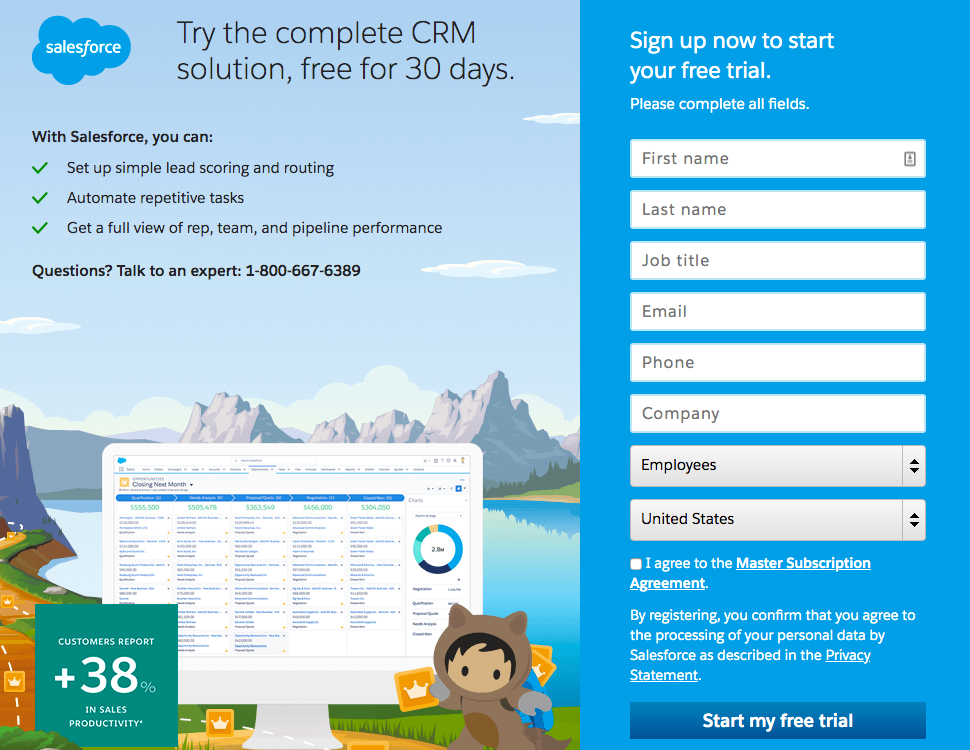
Salesforce has a great, well-known product and a great reason to fill out their lead form
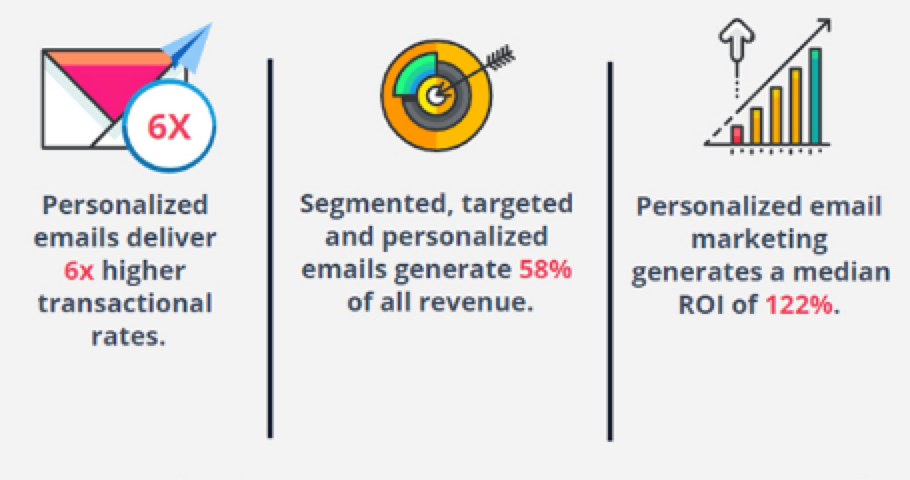
Personalization doesn’t mean blasting every buyer with the same recycled offer. If someone’s already shown you what they’re interested in, reflect that in your messaging. Respect the signals your customers give you, and use them to create experiences that feel tailored, not tone-deaf.
Let’s say you buy a men’s t-shirt from an e-commerce brand that sells both men’s and women’s apparel. You don’t want email promotions for women’s clothing—you’ve already shown you’re shopping in the men’s category. Easy enough. Now imagine you fill out a lead form to learn about a complicated piece of software to automate processes for your business. That shouldn’t trigger an immediate sales pitch. Instead, it should be an opportunity for you to receive rich content that answers common objections, shares case studies, or shows how to use the tool if you sign up for a free trial. You want to feel like the brand understands you, and you want experiences that prove it. The more granular the personalization around your specific behaviors and interests, the better.
No one wants to sit on hold, send an email into a void, or fight through a clunky return process. They want instant access through chat features or bots, DMs or call services that save your spot in line, then call you. They want easy returns and they don’t want to have to wait for their purchase to be credited either.” Make everything easy. It’s easy to hate on Amazon, but everything we just mentioned, they’ve mastered. You can jump on live chat with a real person in one or two minutes. You can get digital shipping labels for returns, and sometimes they don’t even bother with having you return the item. They have exhaustive FAQs. There is rarely a question you can’t get answered or a problem you can’t get resolved in under 5 minutes with them.
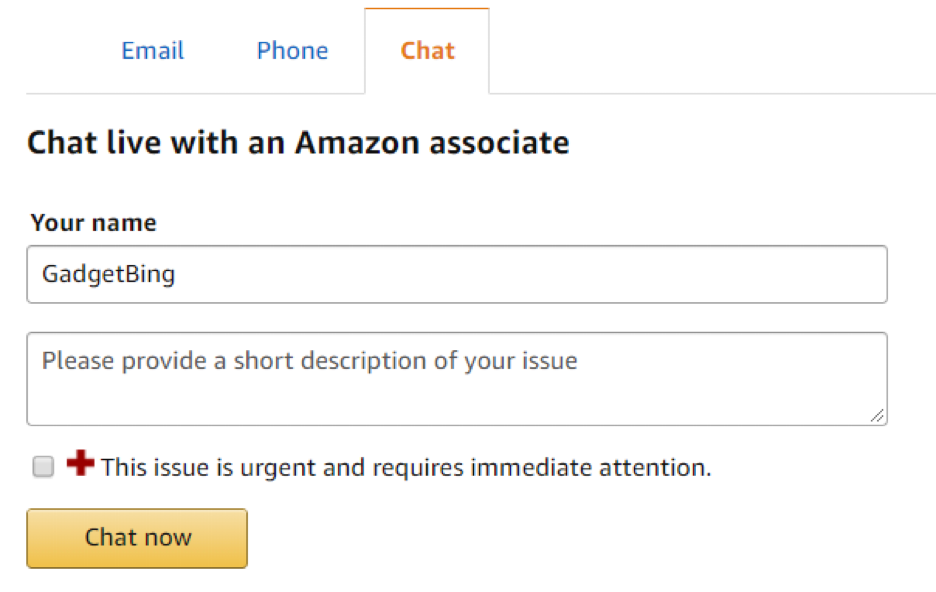
You know why Amazon is kicking everyone’s ass? Because they do things customers like. Convenience isn’t “nice to have,” it’s table stakes. Live chat, clear FAQs, instant shipping updates, seamless returns—that’s the standard now.
Buying is only the beginning. Think about the amount of times you’ve needed an answer quickly and have relied on helpful digital content to solve your problem. We’d guess it’s been more than a dozen times month over month – it definitely is for us. Tutorials, quick tips, videos, or community forums help customers feel confident in what they’ve chosen.
Many skincare brands are great at this, particularly since so many people feel insecure and unsure if they’re doing it right. Don’t allow them to feel that way if you can do something about it.
One of our clients, Dash, has seasonings that are salt-free, which is great for people who want to watch their sodium for their heart health. In news that won’t surprise you, even eager customers can get bored of just talking about the heart. So we’ve worked with them to make sure their web content speaks to the whole person – packing meals with flavor, having the power to adjust salt in their meals, finding their own personal flavor, and family-focused recipes.

Share content that speaks to your customers’ broader interests and needs. Surprise them with stories, insights, and reasons to stay engaged beyond the transaction. Boredom is the enemy of loyalty. The more intimately you connect with your customer, the more likely they are to find reasons to stick around.
Include personalized notes in your shipping packages. Call a customer and thank them for their business. Give them early access to new product launches, or exclusive content. Ask them for their opinion or to join a focus group about new product ideas. Anyone can do these things, and most of them don’t cost a dime. But few will actually do the work. Be one of them.
This list certainly isn’t exhaustive. Loyalty programs, referral perks, and exclusive communities all add to the mix. But the point is simple: if you treat customers like one-time transactions, that’s exactly what they’ll be. If you treat them like valued partners, they’ll keep coming back.
Insight | 11.21.25

At Digital Yalo, strategy and creativity get a lot of attention, but behind every successful campaign is our Account Management (AM) team making sure it all clicks. They’re the relationship drivers, the dot-connectors, and the calm in the storm. They’re trusted partners who make sure our clients don’t just get work delivered, they get solutions that move the needle.
What Account Management Really Means at Yalo
At its core, account management here is about owning the client relationship. Our AMs dig deep to understand a client’s goals, challenges, and bigger picture, then translate that into actionable strategies with our internal teams. They oversee timelines, budgets, and quality while also helping clients see the strategic value behind the work.
Unlike agencies where AMs act as order takers, Yalo’s team is wired differently. We don’t just check boxes. We ask questions, anticipate needs, and bring proactive ideas to the table. As one of our AMs put it: “We’re true partners with our clients. We want what’s best for them, not just what’s best for the agency.”
Strategic Thinkers and Problem Solvers
Whether it’s navigating a tough feedback round, re-scoping a project, or mapping out a massive website launch on a tighter timeline than expected, our AMs thrive on problem-solving.
When one client pushed their launch date up by months, the AM team worked with both the client and internal teams to create a phased rollout plan. The client felt heard, internal teams weren’t burned out, and the launch still happened on time with a roadmap for post-launch priorities. That’s the kind of balance and foresight that turns challenges into wins.
Building Trust That Lasts
Trust is the foundation of every great partnership, and our AMs take that seriously. Transparency, consistency, and reliability guide everything they do, whether it’s setting realistic expectations, owning a mistake, or celebrating client wins.
Our philosophy: clients should never be left guessing. That means proactive communication, status updates before they’re asked for, and solutions before problems escalate. Over time, that approach builds credibility and shows clients they’re in good hands.
Relationships Beyond the Work
At Yalo, relationships don’t stop at deliverables. Our AMs genuinely care about clients as people, like what motivates them, what they value, even what’s going on in their lives outside the office. That human connection makes the partnership real and long-lasting.
As one AM put it: “The real value we bring goes beyond the data—it’s in the problem-solving, the strategic thinking, and the connections we make. We’re responsive, calm in hectic situations, and always willing to go above and beyond.”
At the end of the day, Digital Yalo’s “secret sauce” isn’t just in our ideas. It’s in the connections our Account Management team makes and the trust they build.
Insight | 11.13.25

Struggling to make the most of your digital advertising? You’re not alone. Between shifting algorithms, rising ad costs, and endless options for where to spend, it’s easy to wonder whether your efforts are really paying off.
Whatever your motivations may be, we’re here to help you achieve them.
A digital advertising audit isn’t about pointing fingers or ripping apart your strategy. It’s about taking a clear, honest look at what’s working, what’s not, and where there’s room to grow. We don’t believe in a one-size-fits-all approach, so we’ll tailor our recommendations to fit your specific needs.
For some brands, the goal might be more leads or higher sales. For others, it’s building awareness, connecting with the right audience, or even carving out a stronger role in their industry. No matter the endgame, an audit offers the kind of insight that helps you align your advertising with your bigger picture.
Here’s how we tackle digital advertising audits:


A fresh look at your digital advertising can uncover opportunities you didn’t even realize were on the table. If you’re ready to see where your campaigns stand and how they could work harder for you, reach out. We’ll dig into the details, cut through the noise, and help you build a strategy that actually delivers.
Insight | 09.25.25

For all of the complex innovations, new channels and tech stacks in advertising, the industry’s reason for being isn’t that complicated.
It’s this — have a great product/experience with a clear value proposition, then go find your customers and delight them with the news.
It doesn’t matter how many obnoxious buzzwords you can pack into a self-indulgent LinkedIn post; if you can’t do the above, then your proprietary tech ‘whatever’ isn’t worth a damn.
Despite that simplicity, too many brands/marketers never bother to understand, at an intimate level, where their consumers spend their time, how they spend their time, and what they want from that time spent.
Hello, Customer Journey Map.
A Customer Journey Map takes all of those questions and turns them into a comprehensive understanding of how customers experience a brand. It’s critical to ensuring all advertising efforts are working in concert to hit the target. Here are some important questions to start with when building a Customer Journey Map for your brand:
In our experience, these questions generally lend themselves to five categories that belong in your Customer Journey Map:
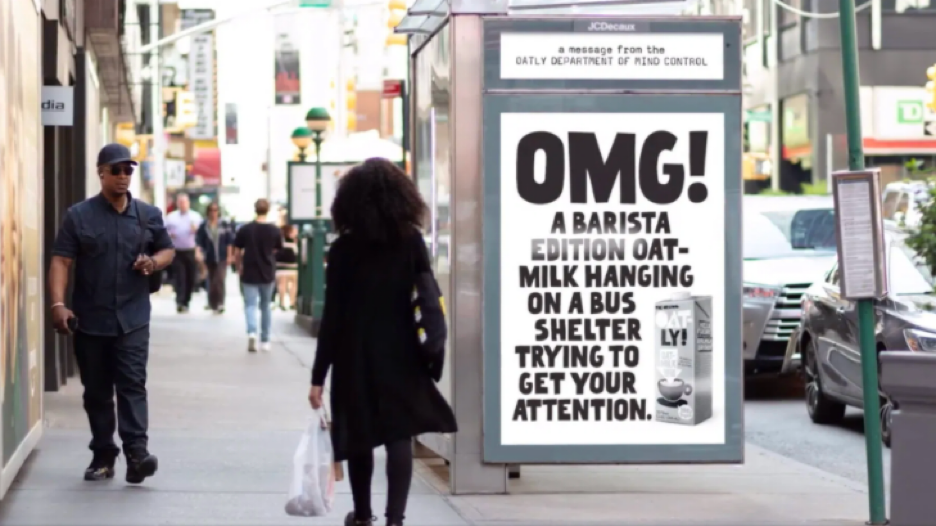
Want to talk about getting discovered? In the physical realm, few brands (recently) have done it better than Oatly.
And keep in mind that consideration is also a function of share-ability. You’d be amazed at how many sales get made on WhatsApp, Slack, G-Chat, or on-site chat features. So, yeah, embed yourself there too.
Be omnipotent (err, close to it). And think about what really gets people to consider you — can you offer a free trial? An incentive? A side-by-side comparison? A money-back guarantee? Or how about the use of Augmented Reality to try items on from a smart phone…

Warby Parker built a massively successful business on the back of the consideration phase of their business model doing just that.
Again, place messages in the context of where the user is shopping. Chances are, they’re in your store on or offline. Repeat messaging to people who’ve clicked on ads with intentional calls to action are the most common pathway to purchase. But remember — you know your customers are on multiple channels. Don’t go all in one channel just because you like the attribution data (your customer doesn’t care about your attribution).
Also, is checkout easy? Do you make it easy to add other items to the online cart, and can customers see shipping and savings costs before they have to enter their credit card information? And what happens when they land on the thank you page?
But that just scratches the surface. If you’re selling online, maybe you can’t offer two day shipping like Amazon. That doesn’t mean you can’t delight the customer while they’re waiting — give them shipping updates. Invitations to join the community of buyers they’re joining. Send them videos on how to use or style the product, or tutorials on how to get the most value out of it. Build anticipation! And what about when they open the package? The sneaker biz has nailed this — unexpected packaging and boxes with special gifts and surprise notes inside. Cards with detailed information on where to leave reviews, or hashtags to use to share the experience. Everything is an opportunity to enrich the shopping experience. And this doesn’t even begin to touch retail. Ask yourself how you can delight a customer at every point in the process. Then get to work.
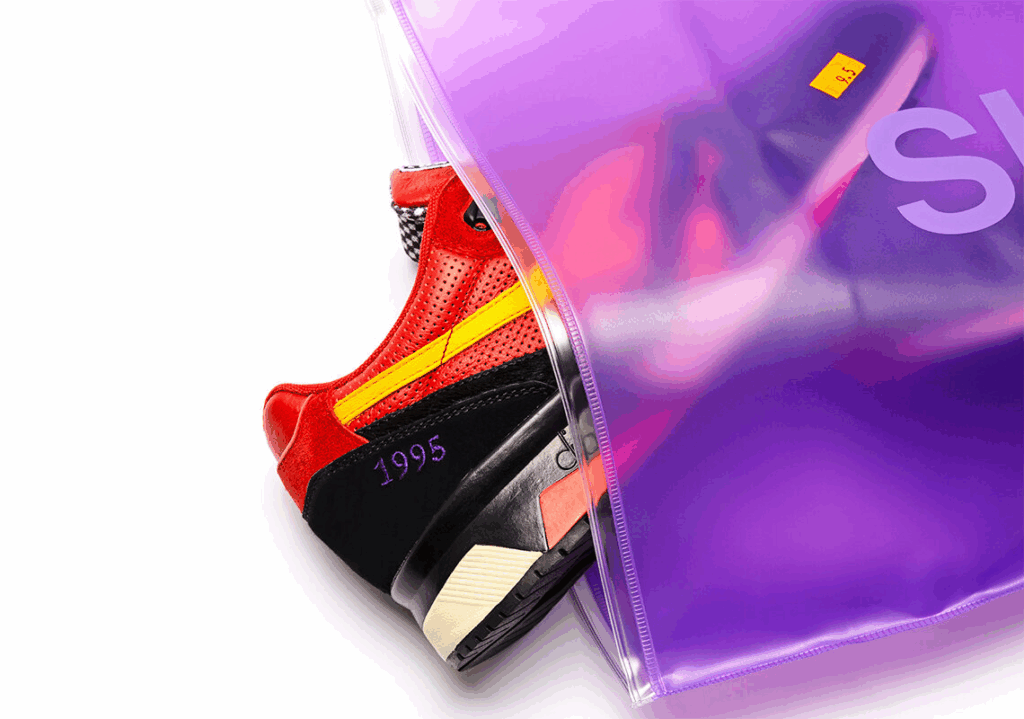
Look at these custom collaboration shoes between hip hop artist, Raekwon, and shoe brand, Diadora. The shoes come in purple sleeves. One says ‘Side A,’ the other says ‘Side B,’ a nod to the musical releases of the shoe’s heritage in the year 1995.
But no one wants to call a 1-800 number. No one wants to email a service account and wait a week for a stranger to reply. They want instant access through chat features or bots, DMs or call services that save your spot in line, then call you. They want easy returns and they don’t want to have to wait for their purchase to be credited either.
Touch points along the way include a strong FAQ section on the website, terms & conditions, digital return labels and return confirmations, and more. As a bonus, utilize YouTube for tutorial videos too.
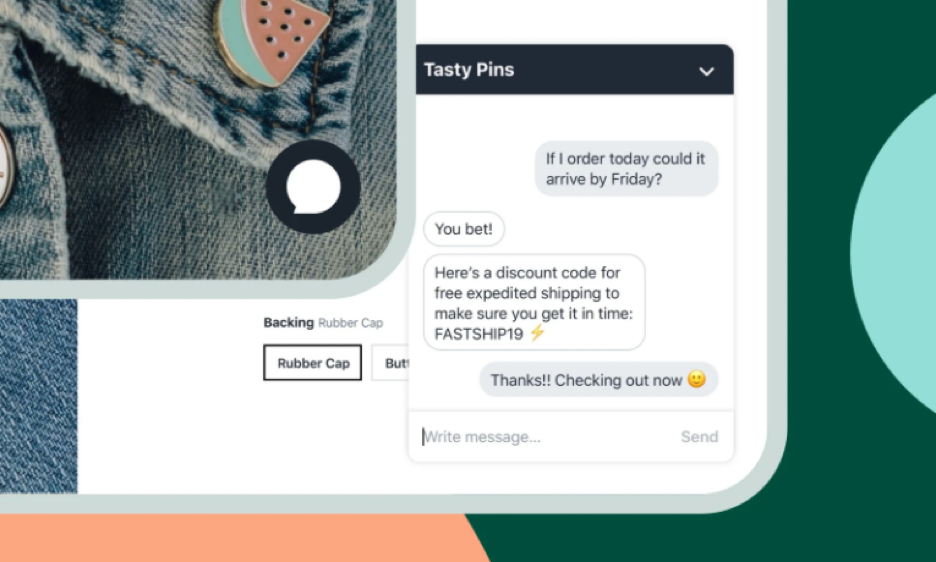
Boom. Instant access through a chat feature — and a successfully expedited return and new purchase.
Take the case of Mini Cooper, where drivers have coordinated their own road rallies all across the country. Mini could’ve found a way to shut it down on legal terms. Instead? They embraced it and joined the fun.
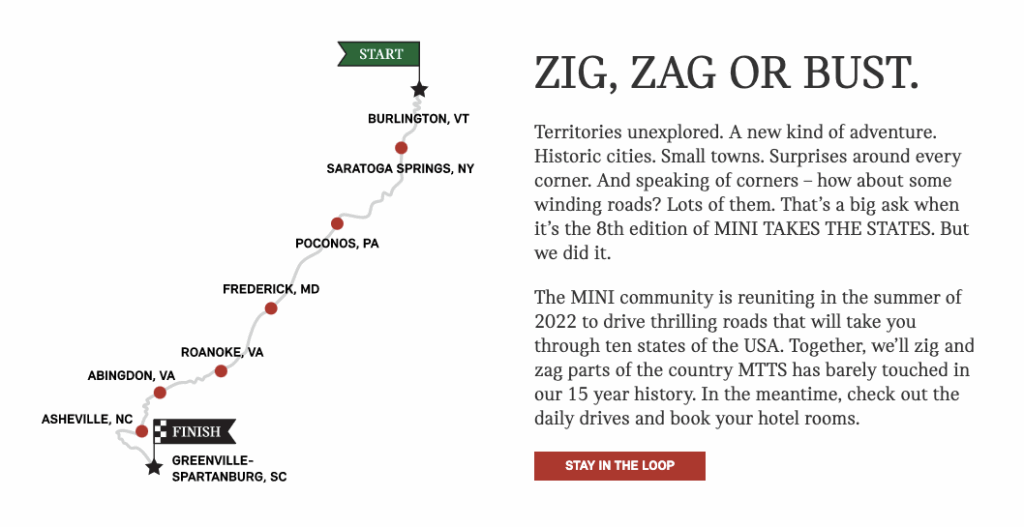
Putting each of these steps together makes for a truly comprehensive customer journey map. And doing so makes it easier to put together a media plan that really speaks to the customer you want, and not just a catch-all because everyone else is doing it.
Go where your customers are. Put messages in those places. And then, delight them like it’s your job. It is.
Insight | 09.03.25

If there’s one thing few people argue about in the world of sports, it’s that mascots rule. Even the ones that are literally just a teenager jumping around in a cheap costume have the ability to make even the grouchiest fan smile. One of the biggest names in the game is Blooper, the Atlanta Braves’ lovable spokes…thing. Though relatively new to the world of mascots, his antics have skyrocketed him into the ranks of Mr. Met or those weird-looking presidents that run across the field at Nationals games.

That’s why, as Cortland Apartment Communities’ agency and mascot enthusiasts, we jumped at the chance to work with Blooper. Even better, we got to pair Cortie and Blooper as the best of frienemies. But let’s back up for a second.

As part of Cortland’s partnership with the Atlanta Braves, we were given the opportunity to film on-field content to complement signage around Truist Park. Naturally, we wanted to bring together two legendary mascots in some way. But how? We tossed around ideas: having them go on a date, having Cortie run the bases, even bringing in other mascots for a “training day.” Eventually, we landed on Cortland’s tagline: Next Level Living. And since Blooper represents Next Level Baseball, it was time to see who was truly the most Next Level.
Through a series of wacky challenges, Blooper and Cortie tried to one-up each other—until Cortie finally emerged victorious. Why? Because he lives at Cortland. Also because he can do a pretty cool handstand walk.

The video not only lives online at cortievsblooper.com, but imagery from the shoot also made its way onto signage around Truist Park, where passersby can pose with Blooper and Cortie.
From on-field video to park signage to shareable social moments, the Cortie vs. Blooper matchup created a cohesive story that strengthened Cortland’s visibility with Braves fans while reinforcing its own brand promise. That’s the kind of work we call Next Level.
Insight | 07.24.25

In every company, there are those standout individuals who make an indelible impact—people whose dedication, expertise, and attitude elevate the entire organization. Today, I want to shine the spotlight on one such remarkable employee whose contributions have gone above and beyond expectations: Jorge Garcell.
Not only does Jorge bring a wealth of knowledge and a work ethic that never falters, but his thoughtful approach to every task, no matter how big or small, has set him apart.
A native of Venezuela and now a resident of New Jersey, Jorge has a deep appreciation for the country he lives in and a true zest for life. He always, no matter what, has a great attitude and positive outlook! He is a friend to all, passionate about life, his work and his family. He and his wife recently became grandparents to a beautiful baby girl named Emma! Jorge loves being a grandpa/abuelo and would be pleased to show you baby pictures upon request!


One of the first things you notice about Jorge is his deep knowledge as a Senior Developer. He has a remarkable ability to grasp complex concepts and break them down into understandable, actionable insights. Whether it’s troubleshooting a tricky technical issue or explaining processes to clients or me, his expertise shines through. Clients have repeatedly praised his ability to quickly assess challenges and offer clear solutions. It’s not just what he knows, but how he conveys it that makes him so special.
Jorge is the epitome of a hard worker. He doesn’t just meet expectations—he exceeds them every single time.
He has consistently demonstrated that no task is too small or too big to tackle with the same level of commitment. Whether it’s staying late to ensure a project meets its deadline, deploying something over the weekend, or putting in extra effort to make sure every detail is perfected, his work ethic has been a cornerstone of his success and a huge asset to the company.
What truly sets Jorge apart, however, is his thoughtfulness. He’s not just concerned with getting the job done; he’s invested in making sure the experience is positive for everyone involved! He takes the time to listen to others, carefully considering their perspectives and concerns before taking action. This thoughtful approach builds strong, trusting relationships, and creates a collaborative, inclusive environment where ideas are shared freely.
It’s not every day that you come across someone as dedicated, knowledgeable, thoughtful and energetic as Jorge. He sets the bar high and his contributions have made a lasting impact on me and Digital Yalo! We are lucky to have him!
Insight | 07.10.25

At Yalo, we believe that true success lies not just in the destination, but in embracing the journey along the way. It’s not just about completing projects or hitting milestones. We want to focus on enjoying the ride, navigating through the highs and lows, and always looking for ways to improve as we go.
In the fast-paced world of digital marketing, we know that the road to success isn’t always straight. There are bound to be ups and downs, unexpected detours, and yes, the occasional stop for Funyuns. But it’s this very unpredictability that makes the journey so exciting and rewarding. This mindset isn’t about simply staying on track, it’s about leaning into the twists and turns with positive energy and enthusiasm.
The highs are exciting, no doubt. The moments when everything clicks: When a campaign outperforms expectations, or a creative idea transforms into a stunning result. Those moments remind us why we do what we do. But it’s the lows that teach us the most. In those challenging moments, when things don’t go as planned or when the results don’t reflect our effort, we embrace the opportunity to learn and grow.
At Yalo, we know that true growth happens when we face challenges head-on and stay determined to improve. Every low moment is an opportunity to refine, rethink, and push ourselves to get better.
Of course, no journey is complete without a few unexpected stops. The road ahead might take a detour, things might not go as expected, or sometimes, we might just need a break to enjoy a snack (because who doesn’t need a road trip snack every now and then?). These moments, while seemingly small or even distracting, are part of what makes the journey enjoyable and fulfilling.
Here at Yalo, we embrace these stops, whether they offer a laugh, a creative pause, or a chance to reconnect with what’s important. A sense of humor and a willingness to find balance make everything more enjoyable. The tour, after all, is just as important as the work itself.
When it comes to delivering outstanding results for our clients, this mindset of embracing the journey makes all the difference. At Yalo, we don’t just deliver on what’s asked. We aim to push ourselves to go above and beyond. We stay adaptable, ready to make improvements at every turn, and we never settle for “good enough.”
The power of embracing the tour is about continuously improving, even when things are already great. It’s about pushing past comfort zones and always striving for the best work, knowing that the journey is what makes the final result that much more meaningful.
In an industry where trends change quickly and competition is fierce, standing still isn’t an option. Embracing the Tour is a mindset that ensures we never stop evolving, learning, and improving. It’s about being agile, staying positive, and constantly striving to do better, no matter what. This kind of work makes our work better, but it also makes our team stronger because we’re all on the road together.
If you’re looking to elevate your own work, our advice is this: Embrace the ups, learn from the downs, and always make room for a little Funyuns and humor along the way. In the end, it’s that balance and commitment to continuous improvement that will make all the difference.
Insight | 07.02.25

When a client asks, “What’s the ROI of [insert ad channel here]?” what they’re really asking is, “Which magic button can I press to make results appear?”
We get it. Attribution is intoxicating. ROAS feels like truth. And with the rise of AI-powered buying tools, real-time dashboards, and third-party data integrations, it’s never been easier to see results.
But here’s the kicker: the numbers you can track are only part of the story. The rest? That’s where we come in.
At Yalo, our media team is built differently, with the knowledge that data is a critical tool, but it’s not the whole tool belt.
We’re full-funnel, full-service, and fully fluent in the nuances of both digital and traditional channels. And yes, when to trust ROAS metrics, and when to be a healthy skeptic. From CTV and podcasts to SEM, print, programmatic, and beyond—we’re not here to rack up views, we’re here to make them count.
How? We use in-platform and third-party AI tools not just to chase efficiency, but to ensure impact.
Whether it’s uploading a CRM list through LiveRamp, creating historical geotargeting audiences via third-party partners, or running brand lift studies across healthcare or general market categories, we’re not guessing—we’re pinpointing.
Our planning process is powered by research partners like MRI Simmons and Comscore.
Our buying is enriched with purchase-level data from credit bureaus and intent signals. And our reporting? Custom dashboards that are live, accessible, and actually usable, so clients aren’t stuck staring at a spreadsheet asking ‘so what?’
But tech alone won’t win the war.
You still need great creative. An integrated media mix. A message that lands. And yes, that includes a team that understands your business well enough to challenge your assumptions.
While it’s tempting to chase short-term wins with last-click logic, the truth is: 91% of people who buy your product saw your ads and didn’t click them (Nielsen). 80% bounce between devices before purchase. And 40% use more than one screen to complete a transaction (eMarketer).
So, what’s the ROI of that?
Truth is, the most impactful plans don’t just ask, “What channel will convert?” They ask:
That’s what we do.
Our tribe connects the dots between strategy, storytelling, and sales. Between the art and the algorithm. Between “what you’re doing” and “why it’s working.”
There’s no magic button. Just media done right. And that’s the Yalo way.
Insight | 06.24.25
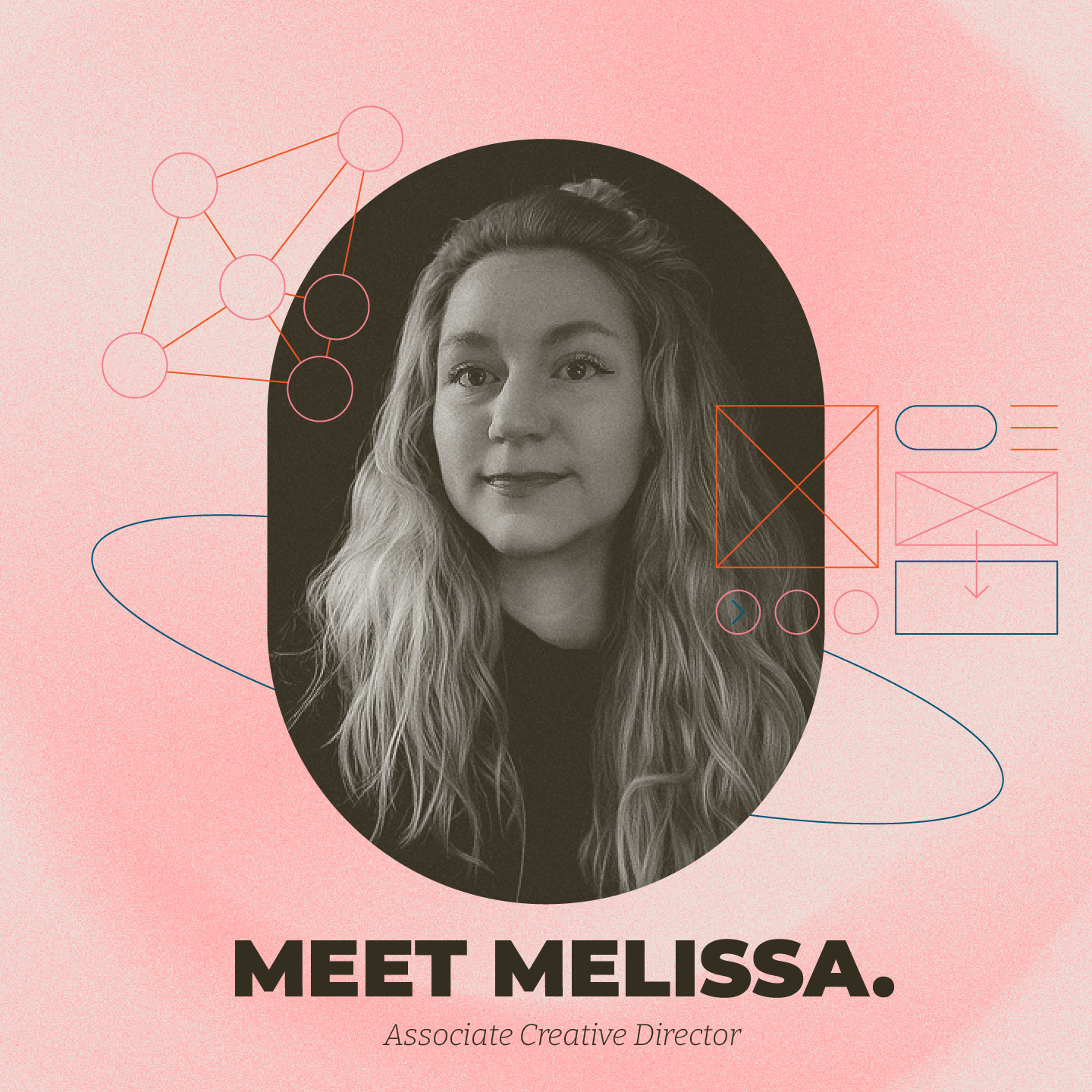
By Brittany Lavy

Digital Yalo hasn’t been the same since Associate Creative Director Melissa Ito joined our agency. She’s a creative powerhouse. When Melissa isn’t being creative at work or being a rockstar mom of 2, she can be found crafting landscapes and ecosystems within games such as Animal Crossing and Minecraft. She simply can not go a day without creating.
Melissa is an expert at bringing creative concepts to life through digital media. She manages design workshops with clients, brainstorms UI concepts for projects, executes cohesive visuals across multiple channels and offers her wisdom and talents to anyone and everyone who needs her.
Melissa has not only become a fundamental part of our team but an extremely valuable asset to our process. She has brought new practices to our agency that have helped our team and clients surpass their goals and expectations.
One of Yalo’s values is to Amp it Up to 11, meaning we are always working to improve and deliver the absolute best work to our clients. Melissa embodies this approach fully. One phrase she uses that always rings true to me is “I think we can explore this more.”
Melissa is constantly exploring ideas and concepts. When she’s not pushing boundaries herself, then she’s pushing her teammates to keep designing outside of the box. You think you’re done designing this section of the website? You’re not, keep exploring. This mindset has helped us push even further by throwing out the old and keep tip tapping away to a more impactful design.
Melissa’s impact on our team is undeniable. Her dedication to exceptional UI solutions, combined with her boundless creativity, has elevated our work and strengthened our entire department. As a vital force within and beyond the UX/UI team, she continues to push boundaries, inspire innovation, and drive our success forward.
Insight | 06.11.25

The world of ecommerce is constantly evolving, and Meta has solidified its role as a key player in this transformation (Note: TikTok Shops is wildly popular too, or was, depending on which way the news cycle goes by the time you read this. For now, we’re focusing on Meta). In April 2024, Meta made it mandatory for brands using Facebook and Instagram Shops to adopt Meta’s in-app checkout process.
Previously, businesses could leverage Shops while handling the checkout and payment process through third-party platforms like Shopify. Now, Meta’s integrated checkout system is the only option for brands to operate Shops.
Meta’s decision to discontinue offsite checkout for Shops has significantly changed how businesses and customers interact on the platform. Here’s a closer look at the implications:
As of late 2024, the rise of social shopping has been remarkable. Here are some key statistics that illustrate its growing impact:
To thrive in this new landscape, businesses must adapt their strategies to align with Meta’s vision of integrated social shopping. Here are some actionable steps:
Transitioning to Meta’s mandatory in-app checkout comes with its share of challenges, such as:
However, these challenges also present opportunities to streamline operations and reach a broader audience. By embracing the new framework and crafting a strategy tailored to Meta’s tools and features, businesses can position themselves for long-term success.
And as always, we’re here to guide you through it.
Insight | 05.16.25

There’s a moment in music history that changed everything. When Bob Dylan plugged in his electric guitar at the Newport Folk Festival in 1965, it was a declaration: the world was evolving, and music had to evolve with it. The purists scoffed, but Dylan saw the electric guitar not as a replacement for folk music but as a way to amplify its impact. The result? A new era of sound that pushed the boundaries of what was possible.
At Yalo, we see AI the same way. It’s not here to replace creativity, it’s here to amplify it. That’s why we’ve spent the last year developing AMPLIFI, our proprietary process for integrating AI into every facet of our agency. Much like the artists who shaped rock & roll, we’re not just adopting new tools; we’re shaping the future of how they’re used. And just like rock music didn’t kill live performances—it made them bigger, bolder, and more electrifying—AMPLIFI isn’t replacing our talent. It’s giving them the means to amp it up to 11!
The greatest bands didn’t just pick up new instruments and hope for the best. They learned how to master them. The Beatles didn’t stumble into pioneering studio techniques; they experimented, innovated, and learned. That’s exactly what we’ve done with AMPLIFI.
Instead of simply handing our team AI tools and saying, “Figure it out,” we made a bold investment: we created a structured training program to ensure that every single member of our tribe—whether in operations, media, or creative development—knows how to harness AI effectively. AMPLIFI isn’t just a piece of software or a new workflow. It’s a mindset shift. It’s our way of ensuring that AI doesn’t just exist in our agency, it enhances everything we do.
There’s a difference between evolution and replacement. When synthesizers came onto the scene, they didn’t replace guitars—they expanded what was possible in music. AI is the synthesizer of the marketing world. It’s not here to write our stories, strategize our campaigns, or concept our creative. It’s here to help us create faster, sharper, and even more resourcefully.
With AMPLIFI, we’re integrating AI into:
And that’s just to name a few. Hey, we can’t give away every ingredient in our secret sauce.
Every major shift in music—whether it was MTV changing how artists connected with fans or streaming services reshaping how music is distributed—has been met with resistance. But the artists who embraced these changes didn’t just survive; they thrived. AI is our industry’s next big shift, and at Yalo, we’re not just riding the wave, we’re playing lead guitar.
We’re living in a time where many agencies are taking a wait-and-see approach to AI. They’re hesitant, uncertain, or even dismissive of its potential. That’s not how we operate. We believe in being ahead of the curve, setting the tempo, and ensuring our team has the knowledge and confidence to use AI to its fullest potential.
Because here’s the truth: AI in marketing isn’t a fad. It’s not going away. And just like rock & roll, it will keep evolving. The question is, who’s going to step up and own it? At Yalo, we’ve made our choice. We’re not just accepting AI—we’re amplifying it.
So plug in, turn up the volume, and get ready. The future isn’t waiting, and neither are we. This is AMPLIFI. And trust us, the show is just getting started.
Our souls are singing. Is yours? I’d love to chat with you about how Yalo can make AI work for your brand.
Insight | 04.30.25

At Digital Yalo, we have a list of values that motivate us every day to do our best work for our team and our clients. One of our favorites is Amp It Up to Eleven. It’s not just a catchy phrase, it’s part of how we approach every project. The idea is simple: why stop at 10 when you can go beyond? It’s about pushing ourselves, our work, and our clients to go further, think bigger, and do something unexpected.
For us, “good enough” isn’t the goal. We believe that even the best work can always get better. That doesn’t mean we’re constantly dissatisfied—it means we’re always looking for ways to improve, even when things are on track. Whether it’s tweaking an idea or finding a way to make something stronger, we’re always thinking about how we can go one step further. It’s not about being perfect; it’s about always striving to make the work better and delivering something we’re truly proud of.
At Digital Yalo, we like to shake things up. We love doing things that break the mold, whether it’s trying something completely new or pushing a creative boundary that’s never been crossed before. We want to encourage our clients to do the same. With performance and results at the forefront of our minds, we like to think outside of our comfort zone and try something that makes people stop and think.
Doing something unexpected isn’t just about being bold for the sake of it—it’s about creating opportunities for deeper, more meaningful conversations that make a real impact for our team and our clients.
Every brand has a soul, and our job is to find it and let it shine. This is where “amping it up” comes in. It’s about turning up the volume on what makes your brand unique and giving it the attention it deserves. In marketing, there’s plenty of noise and competition – we want to make sure your brand’s voice is heard loud and clear. The aim is to amplify that voice so it resonates with the right people, in the right way.
We don’t just want to meet expectations—we want to blow them out of the water. Sure, we’ll deliver what was asked for, but we’re always thinking about how we can go above and beyond. Sometimes that means pushing the creative envelope, other times it’s offering a new perspective that takes things to the next level. Whatever it is, we’re always looking for ways to make the work stronger, more creative, and more impactful. It’s about adding value that goes beyond what’s expected and showing up in ways that make people say, “Wow.”
We believe that when we work together and bring our different perspectives to the table, we can come up with ideas that are even bigger and better than what any one of us could do alone. This isn’t just true for our internal team; it’s also true when we partner with our clients.
We want to help them see the bigger picture and explore opportunities they might not have considered. It’s not just about getting the job done—it’s about creating something that grows, evolves, and ultimately makes a bigger impact.
Whether it’s shaking things up, amplifying your brand’s true voice, or simply going that extra mile to make sure every detail is spot-on, we’re always aiming for more. Because when you’re not stopping at 10, there’s always something new and exciting just around the corner. And that’s the kind of work we love to do.
If you want to amplify your brand and make an impact, we’re here to help.
Insight | 04.24.25

Music engages most of our senses, but the strongest of them is feeling. (You thought we’d say hearing, right? Wrong!) That’s why we so often turn to music for inspiration when we want our clients to feel something, encouraging them all to pick “soul songs” from which to help drive branding ideas. People connect with music in a primal way. No one knows this better than Philadelphia-based musician and bon vivant Adam Weiner, aka Low Cut Connie.
Known for his high-energy live shows, Low Cut Connie has a stage presence that’s almost unmatched in today’s musical landscape. He personifies the Yalo tenet of “amping it up to 11” in almost every way, which made him a natural fit to partner with Yalo. For over ten years, Yalo and Low Cut Connie have shared a love of bringing music into everything they do, and have supported each other through branding and event opportunities.
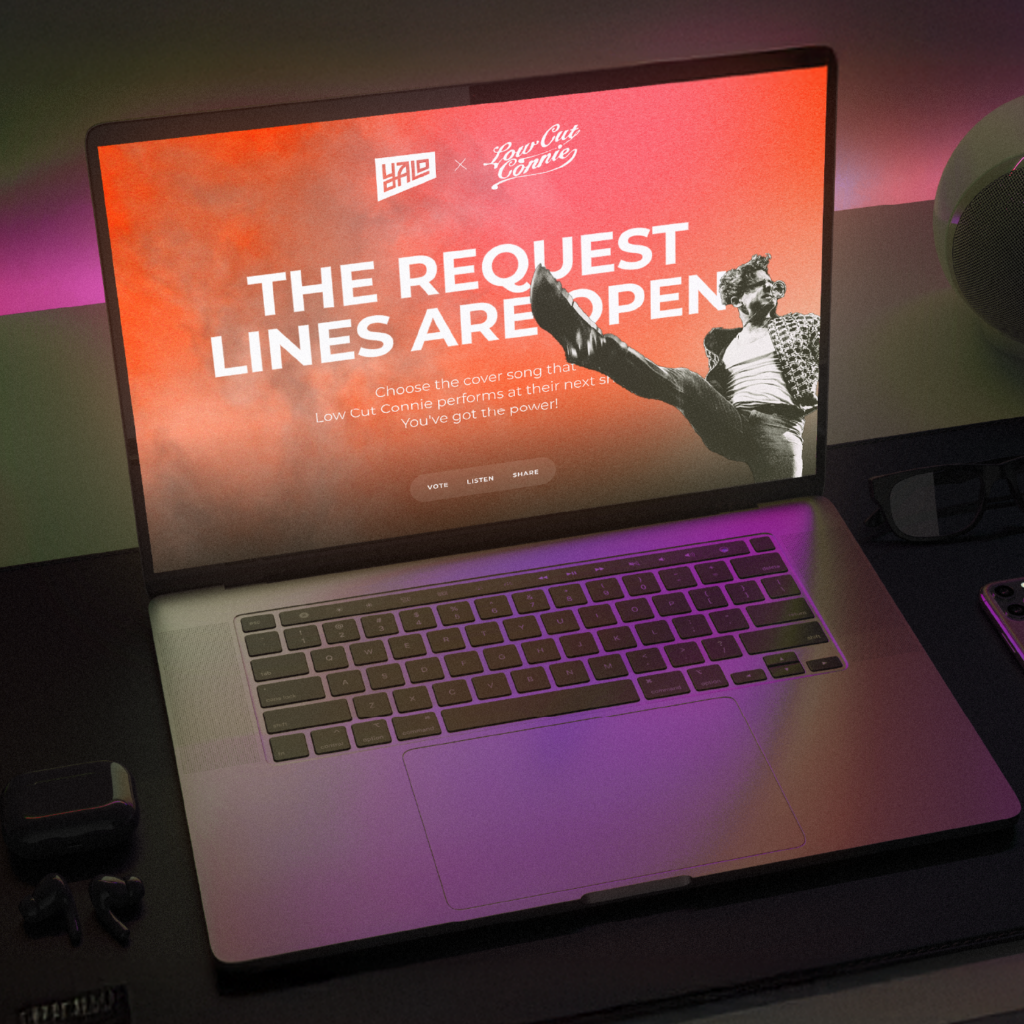
When it came time for Low Cut Connie’s summer residence at Ardmore Theater, we knew we had to jump in and tell the world about it, with a website that allowed for the kind of fan interaction that LCC was known for (in digital form, of course). Instead of just the ability to get information and purchase tickets, this site allowed fans to choose the song they wanted Low Cut Connie to cover at each of his shows, with a selection that changed every week.
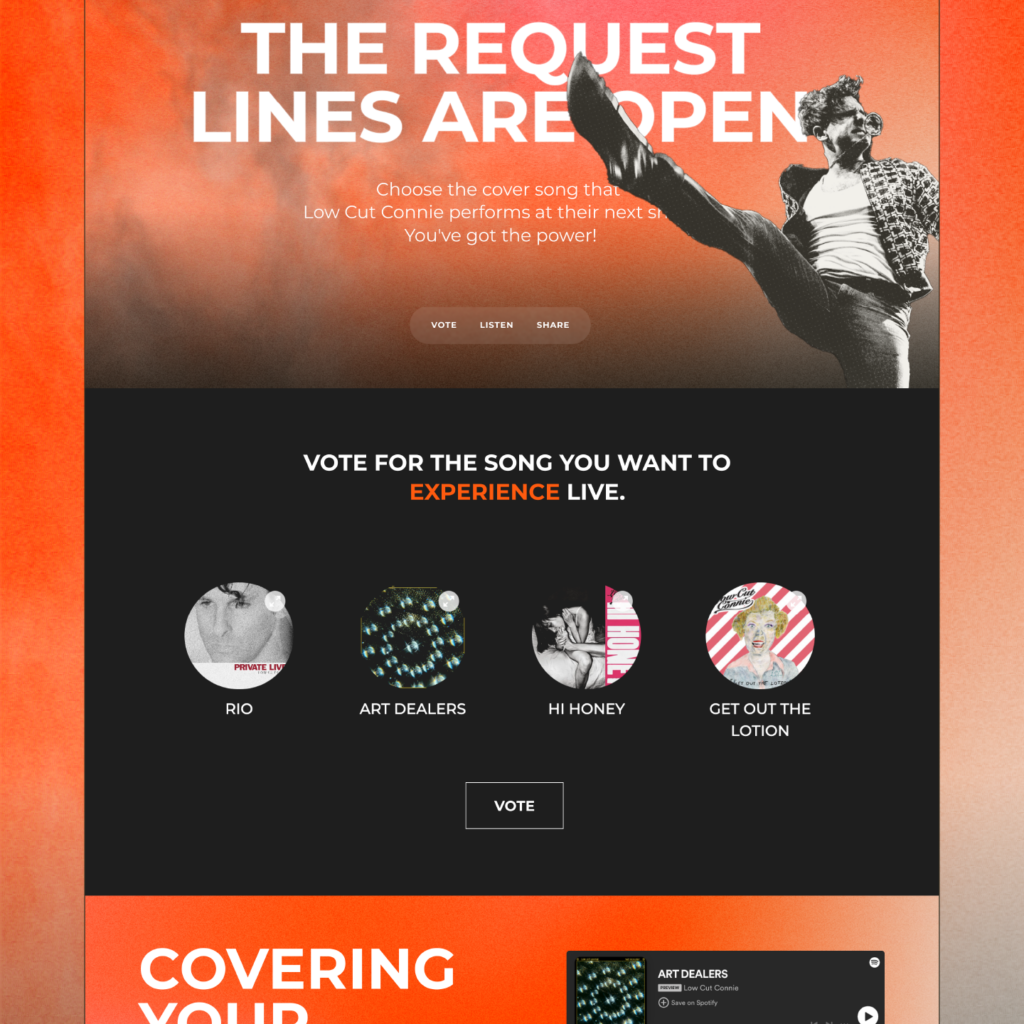
Since the audience was allowed to pick the songs, it resulted in some… interesting choices. Here’s the band performing “Part of Your World” from The Little Mermaid, much to Adam’s delight (warning: adult content throughout):
Says Adam:
“I absolutely loved working with my Digital Yalo pals on my project, the Connie Club, this past summer. It was a complex idea with a lot of different media elements, and Josh, Arnold and the Yalo team had great collaborative ideas right from the start. They sculpted an interactive platform for me that brought me closer to my fans and was exciting for everyone involved. I always love working with these guys and hope to continue doing so in the future.”
Music and branding will always go hand-in-hand, as people respond to music in a way that can help make brand work memorable. Marketers have known and used that information for… oh, since around the first television ad.
At Yalo, we know that it can be used for more than just a background track. We encourage our Tribe and clients to find their own “Soul Song,” the song that hits the emotional core of you or your brand.
Want to learn more about how music can help your brand? Just ask! Want to jam out to Low Cut Connie? No asking needed.
Insight | 04.11.25

If you’ve ever cracked open a Statement of Work (SOW) and felt your soul leave your body, you’re not alone. SOWs are critical for defining the scope of a project, but they’re also dense, jargon-packed, and, let’s be honest, a little soul-crushing. As an agency, we thrive on collaboration across multiple disciplines—but that means translating a SOW into an actionable, digestible plan that all disciplines can understand. That’s where AI can be a huge help.
Working with Cortland Apartments, we faced a complex mix of deliverables when it came to their sponsorship with the Atlanta Braves: stadium digital assets, video production, physical signage, and message development that unified the Cortland and Braves brands. Managing these moving parts within the constraints of a real-world budget meant we needed an optimal way to prioritize, allocate resources, and ensure every hour counted. AI helped us do exactly that.
Traditionally, turning an SOW into a project plan required a painful process of manually combing through pages of details, highlighting key milestones, and cross-referencing dependencies. It was slow, inefficient, and left way too much room for human error.
By integrating AI into our workflow, we could instantly identify:
AI enabled us to prioritize high-impact deliverables, such as stadium digital assets and signage with game-day visibility, based on urgency and partnership impact. Its structured workstreams kept us focused on what mattered most, rather than playing catch-up.
Calling the Right Plays for Hours and Budget
Project management isn’t just about keeping tasks in order, it’s about making sure we don’t blow the budget. AI helped us estimate hours needed for each task based on actual historical data from our team, rather than industry benchmarks that don’t reflect real-world agency constraints. This meant we could:
This level of precision gave us a clear roadmap that balanced creative ambition with financial reality. AI didn’t just organize our tasks, it actively made sure our strategy was financially viable from day one.
Once we had the core details extracted and prioritized, the next challenge was ensuring every discipline—creative, strategy, media, development—was aligned and working from the same playbook. AI didn’t just stop at summarization; it powered our task management system by:
Instead of each department working in a silo and hoping everything lined up in the end, AI gave us a shared source of truth. No more guessing games, no more frantic Slack messages asking, “Wait, when is this due?”
By putting AI to work in project management, we didn’t just make life easier, we fundamentally improved how we deliver work. The biggest benefits?
AI didn’t replace our expertise, it amplified it. It turned a process riddled with inefficiencies into a well-oiled machine, freeing us up to focus on what really matters: delivering great work.
SOWs might still be a necessary evil, but with AI, they don’t have to be a productivity killer. By automating the extraction of key details, prioritizing high-impact deliverables, and aligning resources with budgets, we transformed the way we ran the Cortland x Atlanta Braves sponsorship.
Insight | 04.04.25

I know what you’re thinking: “SEO is dead. Again.” Our AI overlords are here and they’ve come not to harvest the energy of our body heat to power their hive mind (a la The Matrix) but to generate an endless onslaught of mediocre content and provide us with quick and easy answers that give us no reason to click into websites. Oh, the humanity.
But before you stock up on canned beans and crawl into the fallout shelter, hear me out. SEO has “died” at least a dozen times now according to every digital media news outlet and each time the practice has simply evolved. Let’s go over how AI is shaking up SEO, how you can use it to your advantage, and what you can do to keep organic traffic flowing
Content Creation
With tools like ChatGPT, Microsoft Copilot, and Google Gemini, creating content with AI is not only easy, it’s extremely accessible to anyone with an internet connection. The temptation is strong to generate hundreds of blog posts for your business, copy and paste them straight onto your website, and call it a day. But if you’re getting the eerie feeling that it was all too easy, you’re right.
AI is a brilliant tool for quickly creating content, but it’s not a miracle worker. Keep these in mind next time you generate something:
AI Overviews
Taking a look from the user’s perspective, Google has made it easier than ever to get a quick answer to whatever’s on their mind with AI overviews. While I find this wonderfully convenient outside of work, you can imagine how interesting this makes my job. But all is not lost because Google does credit the websites it pulls the information from so we’re right back to “not dead, just different”. So we’re not just fighting for traditional rankings anymore, we’re fighting to be the source of truth for these AI overviews, and you may not like what you’ll need to do to get there:
Yes, keywords still matter—hurray, something old and familiar! But the game has changed. It’s no longer enough to cram a few phrases into an article (and frankly it never was, but hey, it worked!) and call it SEO-optimized. AI-driven search engines use advanced algorithms to understand user intent, context, and even synonyms. That means you need to shift your focus from “how many times can I say ‘best tacos in Austin’ without sounding ridiculous?” to “how can I answer every question a taco lover in Austin might have?”
Instead of obsessing over exact matches, think about the big picture:
You might think AI makes technical SEO irrelevant, but you’d be wrong. If anything, it’s become a non-negotiable. Why? Because even the smartest AI can’t recommend your page if it never finds it in the first place.
Here’s where you need to focus:
Ah, backlinks—the bread and butter of SEO. They’re still relevant, but the landscape has shifted. You can’t buy a few links and watch your rankings soar anymore. Today, AI algorithms scrutinize link quality like a hyper-vigilant editor.
Here’s how to stay in the game:
Here’s the thing about SEO in the age of AI: it’s dynamic. If I told you today that I have a bulletproof SEO strategy that will keep your website at the top of the search results for years to come, I would be a snake oil salesman. As it has always been, staying informed is your best defense. Follow trusted SEO blogs, experiment with new tactics, and don’t be afraid to pivot when something stops working.
Above all, remember this: SEO isn’t dead, and AI isn’t the enemy. It’s just the next evolution. Adapt, innovate, and—most importantly—keep creating content that people actually want to read. Because at the end of the day, that’s what SEO has always been about.
Insight | 03.26.25

By Brittany Lavy
UX design is all about creating experiences that are easy to use and feel natural. One of the design practices commonly used to improve how users interact with your site is by performing a UX Audit. Through this process, problem areas are identified that make users feel frustrated, confused, or leave before they complete their journey. The ultimate goal of a UX audit is to fix issues and create a smoother, more enjoyable experience.
Why a usability audit matters
A usability audit is the first step in spotting your users’ pain points, any bumps in their journey, and areas that could use some improvement on your site or digital product. Once we’ve done that, we can create a roadmap of areas to focus on and tweak to make sure your audience gets the best possible user experience.
Here are some ways UX audits can help improve your product:
Usability problems throughout the product
If users get stuck, lost, or frustrated, they won’t stick around. Definitely not what you want! This step helps ensure users reach their intended destination—both where they need to go and where you want them to go.
We find usability problems by using well-known guidelines called the 10 Heuristics. Developed by Jakob Nielsen, these general principles serve as a “rule of thumb” for how we can make UX easier and more effective.
Streamlining a user’s journey
A website should guide users effortlessly to their goals. Some common user goals are making a purchase, signing up for a newsletter, or finding information.
Simplifying the user’s journey and helping them achieve their goals boosts satisfaction, increases conversion rates, and strengthens brand perception.
Data-driven recommendations
When designing a site, we’re not always the ones using it, so we might make assumptions about the user’s experience. A usability audit helps us see how real users interact with your site or digital product, giving us a clear idea on how to make improvements.
Enhance accessibility
It’s important to make sure all users have an easy experience when interacting with your brand. Auditing the site or digital product can identify areas that may not be accessible for people with disabilities, like those with low vision or deafness, and adjust those areas to be compliant with general accessibility guidelines. Making sure your site meets accessibility guidelines means a better experience for all users.
Keeping costs low
Spotting UX issues in an audit can help save on development costs. By tackling problems early and designing with the user in mind, we can fix issues before diving into development or redesign. This not only saves time later on but also reduces the need for expensive changes further down the road.
User satisfaction and loyalty
Thanks to the UX audit, we can create a great user experience. When a product is simple to use, intuitive, and effective, users are more likely to enjoy interacting with it. This boosts satisfaction and helps build long-term loyalty with your users.
When should you do a usability audit?
There are several moments when you should consider performing a usability audit.
When redesigning a site or product
Starting with a UX audit on your current site or product helps spot areas for improvement and highlights what’s already working well. This gives us a solid starting point for wireframing and lets us fix usability issues early, so we can tackle them before development begins.
When you notice more help requests or a drop in conversion rates
A targeted audit can help pinpoint where users are getting stuck or abandoning the site. We can focus on specific pages or user journeys to see where things are going wrong.
When adding new features or pages
Before launching new features or pages, a usability audit helps us figure out how they’ll fit into the current experience. This way, we can address any issues that might affect user adoption before the feature or page goes live.
As part of regular maintenance
An annual or biannual audit keeps things running smoothly by identifying and fixing issues over time. It also sets up a routine for addressing usability challenges on an ongoing basis.
What level of audit makes sense for you?
Usability audits can vary in depth and scope depending on client goals, resources and timelines. There are four levels of a usability audit to choose from.
Where to start
Ready to elevate your user’s experience? At Digital Yalo we don’t just identify usability issues but we work to craft solutions. Whether you’re in need of a quick scan, a comprehensive deep dive, or a specialized approach, our team has the expertise to guide you along the way.
Contact us today and let’s work together to create meaningful experiences for your users.
Insight | 03.17.25
“Authenticity” is a popular buzzword in marketing, but what does it really mean? While it may sound simple, how can you genuinely connect with your audience and stand out in today’s crowded digital landscape? Here are five key strategies to help your brand show up authentically and make a real impact.
Your brand voice is basically your personality in text form—like your digital clone, but with fewer awkward pauses. It’s how your audience spots you in the crowd and decides whether or not they want to get to know you more. So, it’s important to figure out what really defines you. Are you the witty, bold friend who always gets the last word? Or the compassionate, empowering cheerleader everyone secretly wants to be? Whatever it is, own it—loudly and proudly. Bonus tip: Pretend your brand is a person. Give them a name, a wardrobe, hopes, dreams, and a favorite coffee order. Suddenly, your brand is more than just a pretty face, but a real person your audience can connect to.
Authenticity starts with staying true to your voice, not mimicking what works for someone else. This often means using conversational language, talking to your audience like a friend or trusted confidant, and developing content that you actually care about. When you speak from a place of honesty and alignment, your audience will feel it—and trust you for it.
People want to know the story behind your brand. When you share more about your brand story you’re personalizing your organization and giving your audience a chance to relate to you on a personal level rather than just seeing your brand as an organization. In fact, Researchers at the London School of Business found that people retain just 5% to 10% of information when it’s presented as statistics alone. However, when the same information is shared through a story, retention jumps to 65% to 70%.
Start asking yourself some questions to help develop your story:
Share your journey, your triumphs, and even your challenges. Vulnerability fosters connection, and showing your humanity makes your brand relatable. By opening up about your mission and beliefs, you invite your audience into your world and give them a reason to root for you – and trust you.
Nothing feels more inauthentic than being bombarded with constant sales messages. While, of course, you want your audience to use your services, no one likes feeling they’re being used just for a sale. Remember: people engage with brands for inspiration, education, and entertainment—not just transactions. Focus on creating content that adds value. Share tips, tell stories, spark conversations, and show your personality. By shifting away from a sales-first mentality, you’ll build trust and loyalty that naturally leads to conversions.
There’s no better way to demonstrate authenticity than letting your audience speak for you. Your audience will truly trust your impact when they see others demonstrating how they’ve loved your service rather than just taking your word for it.
User-generated content (UGC) highlights real experiences from real people. Whether it’s reviews, photos, or social media shoutouts, UGC builds credibility and community. Celebrate your customers by featuring their stories and successes. This not only showcases your impact but also reinforces the idea that your brand is about people, not just products.
In a world of filters and curated feeds, imperfection is refreshing. This of course doesn’t mean you should be sloppy, it just means you can let your guard down a bit and not worry about being too polished. Your audience doesn’t expect you to be flawless—they expect you to be real.
Share the behind-the-scenes moments, the outtakes, and the imperfect realities of running your business. Use language that isn’t purely corporate and speak to people like… people! Polished content has its place, but authenticity thrives in the unfiltered. By embracing your imperfections, you give your audience permission to do the same.
Authenticity is about showing up as you are and trusting that your audience will connect with the real you. By developing your true brand voice, sharing your story, prioritizing meaningful content, showcasing your community, and embracing imperfection, you’ll create a brand that not only stands out but also builds relationships that last.